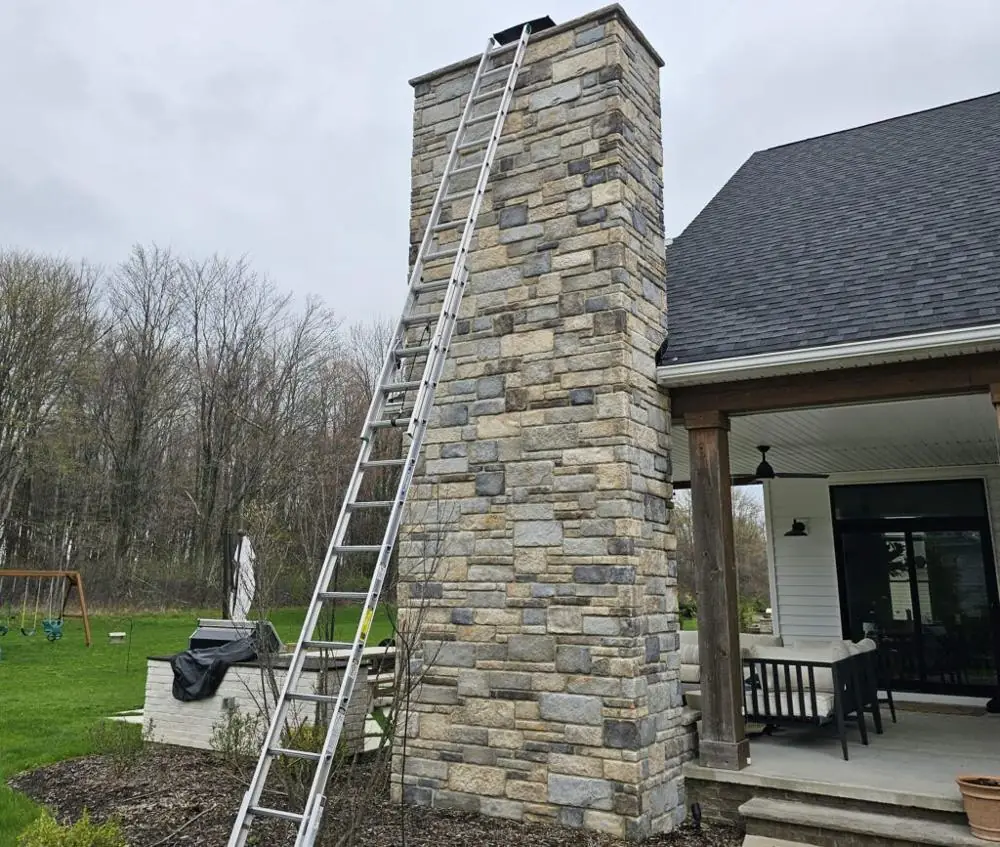
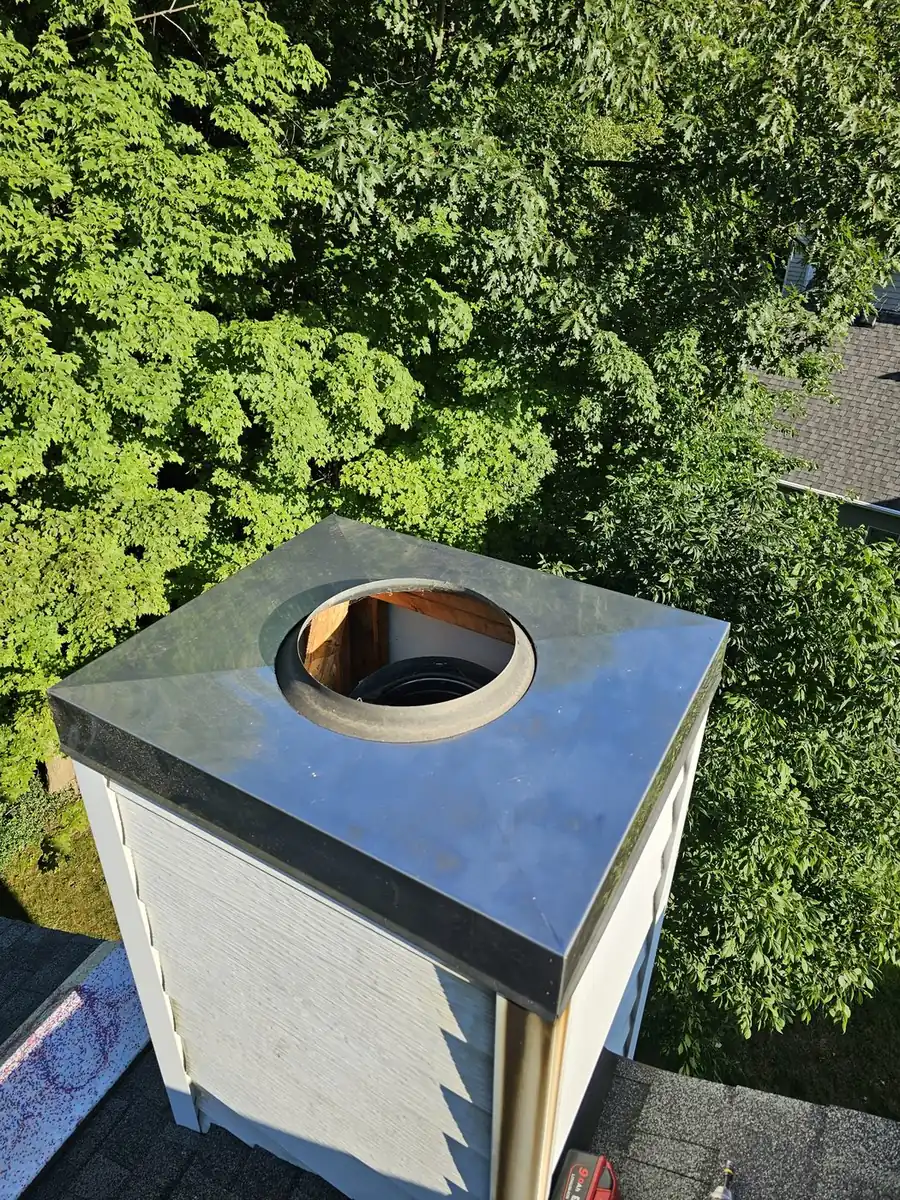
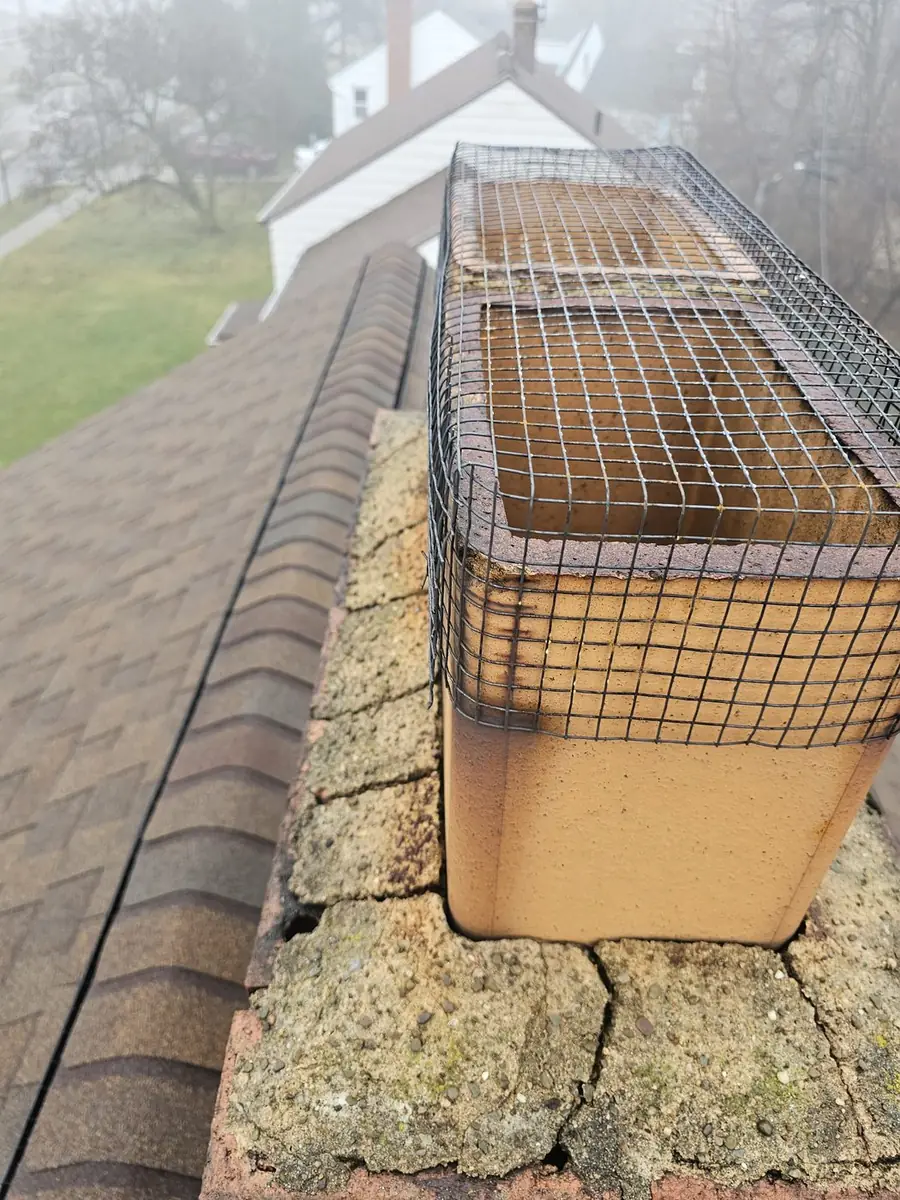
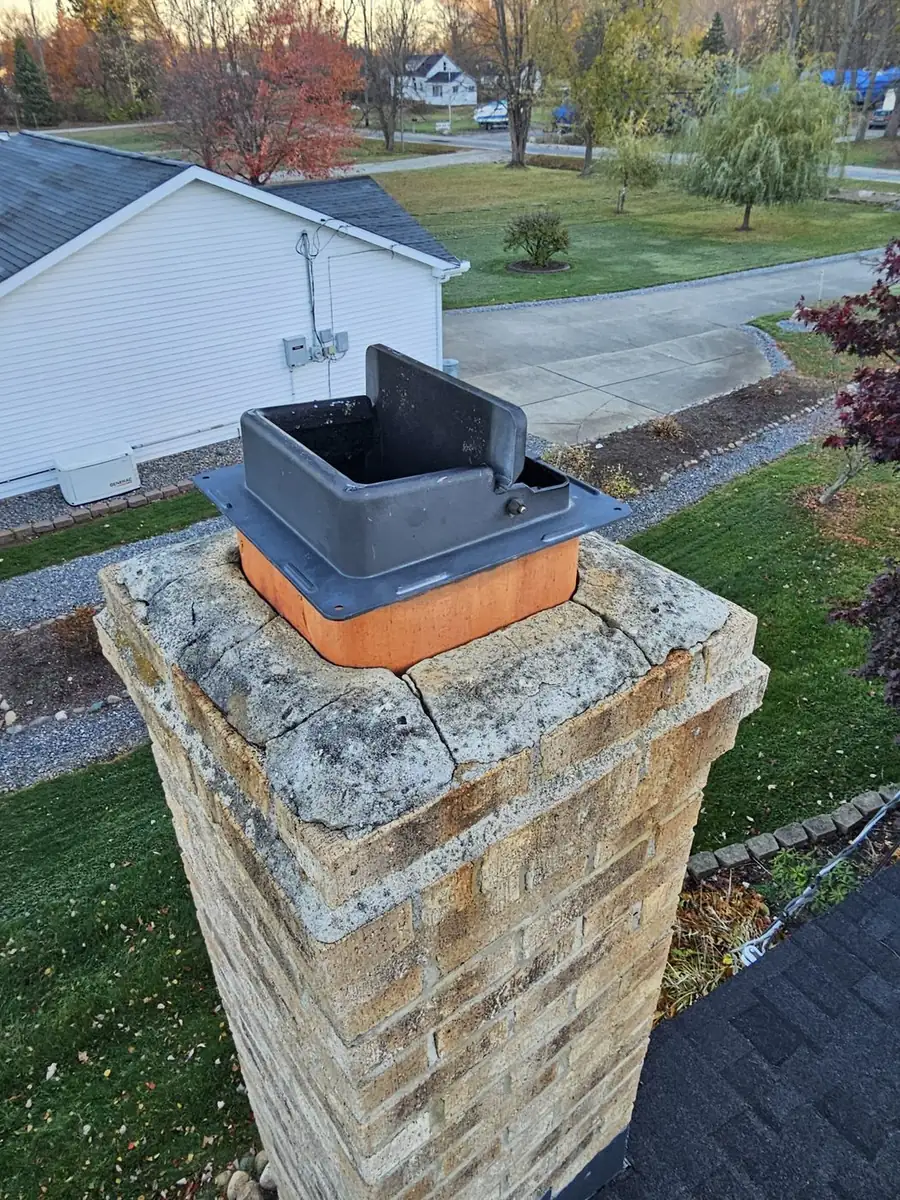
Chimney repair, sweeping and inspection in the Cleveland metro area
Certified for this work
CSIA certified chimney sweeps who inspect on camera, show you the footage, and fix what actually needs fixing. Leaks, crowns, caps, liners, tuckpointing and full rebuilds, built for Lake Erie winters.
CSIA Certified Chimney Sweep (Chimney Safety Institute of America), NFI Certified (National Fireplace Institute), NCSG Certified and Member (National Chimney Sweep Guild), Certified Chimney Professional (CCP credential of the National Chimney Sweep Guild), HeatShield Certified Installer (HeatShield chimney lining and flue repair system). Every badge opens the organization's own directory, where Green and Clean Home Services is listed.
“Great experience from start to finish. He gave us comfort in his knowledge and then backed it up with the great job he did. Was careful and thorough throughout the process. Let us know what was going on and let us see the difference. I wish I wouldn’t have waited so long to get this done. He was great to work with and the job was incredible. I can already tell the difference.”
kkaleaf jamesGoogle review · a month ago
★★★★★
“Amazing job very quick vents were disgusting and now they are beautiful can eat out of them. Lovely great job.”
AAndrea RyderGoogle review · a month ago
★★★★★
“I recently had my air ducts and furnace cleaned, and I couldn’t be happier with the service. He was extremely professional, punctual, and took the time to explain everything he was doing throughout the process. You can tell he really cares about the quality of his work. The difference was noticeable right away—everything feels cleaner, airflow has improved, and I have peace of mind knowing the system is running efficiently. He also made sure to leave the area spotless after finishing, which I really appreciated. If you’re looking for someone reliable and thorough for duct and furnace cleaning, I highly recommend him. Great service from start to finish.”
pparth patelGoogle review · 5 months ago
★★★★★
“That was extremely fast and painless! I needed two chimney caps placed to keep out the raccoons and they were able to provide the service same day! The staff were very courteous. I would use them again.”
MMich TartsGoogle review · 6 months ago
★★★★★
“Green and Clean was communicative and did great work on time. Our chimney looks much better,.and the price was fair compared to other quotes. Looking forward to working with them again!”
DDean JacksonGoogle review · 11 months ago
★★★★★
“David promptly responded to our request for inspection, called when he was en route, and arrived on time. He used a drone to examine the chimney exterior and a camera for the interior, provided a copy of the inspection video, and presented a range of options for prioritizing the repairs. Excellent value, highly recommend!”
TThomas DixonGoogle review
★★★★★
“David was amazing! He cleaned our basement, family room, stairs, and upholstery. With a dog and 3 active kids we 110% notice the difference in our home. I can’t wait to schedule him regularly.”
TTammara HumbertGoogle review
★★★★★
“Amazing service. I’ve had my chimney swept and inspected three times and my air ducts cleaned. I will not go anywhere else. Professional, detailed, helpful and affordable! Hands down 12/10 recommend!”
KKatieGoogle review
★★★★★
“Extremely professional, fantastic work. Ducts and rugs were cleaned and both look brand new. Definitely recommend and the price can’t be beat.”
MMichael DavidsonGoogle review
★★★★★
“Wonderful job! Service was right on time. Everything was explained very well step by step. Everything was cleaned up well upon finishing. Would recommend to others.”
JJessica CampagnaGoogle review
★★★★★
“Green and Clean did a great job with our carpets and furniture! Even a few weeks later we couldn’t be happier with their fast, efficient, and thorough service.”
LLuke WebelGoogle review
★★★★★
“David is efficient and does a great job. Very professional and we totally trust his work. I can highly recommend him.”
MMary HarlanGoogle review
★★★★★
“Cleaned vent efficiently and quickly. Very personable. Would use again.”
RRichard StabileGoogle review
5.0 / 5
★★★★★
633 reviews Super Service Award winner 2019, 2020, 2021, 2022 and 2023.
“David from Green and Clean was very prompt with a detailed estimate on repairing my in-law’s chimney. His crew came out and did a nice job of fixing the chimney by redoing the crown, tuck pointing and repairing damaged bricks. The chimney now looks great. Very satisfied.”
“David conducted a comprehensive analysis of the chimney issues and presented us with viable options for resolution. Highly recommended for individuals seeking expert assistance in such matters.”
WWhitney L.Angi review · Aug 2026 · Chimney cleaning and inspection
★★★★★
“David was great. He explained every process. Did a thorough job cleaning and even used a drone to check the chimney. He even took the time to review the fireplace process.”
CChristine L.Angi review · Jan 2026 · Chimney service
★★★★★
“Good job, got done properly and fast. The crew worked even late hours to complete and cleaned everything up when done.”
EEileenAngi review · Aug 2026 · Fireplace repair
★★★★★
“David was phenomenal! Communication was fantastic, he was on time and extremely friendly. He did a fantastic job with the chimney sweeping and reviewed the video of his findings and spent time answering all of my questions.”
JJJ D.Angi review · Oct 2025 · Chimney sweep
★★★★★
“I needed to have my chimney inspected in order to sell. David was knowledgeable, thorough and honest. He swept the chimney, inspected the roof and basement. All was good and clean. He is even pet friendly.”
KKathy C.Angi review · Oct 2025 · Real estate inspection
★★★★★
“David is always a pleasure to work with! Our entire family goes to him and he always delivers quality work. We appreciate his honesty and the pride he takes in his work. He always shows us the before and after.”
CCeleste G.Angi review · Oct 2025 · Multiple services
★★★★★
“We needed to have a stove pipe reinstalled for a wood burning stove after it was blown off by a windstorm. Job was done quickly, and we are pleased with the work done.”
JJohn P.Angi review · Apr 2026 · Wood stove pipe
A+ / A+
★★★★★
36 reviews, 5.0 average Better Business Bureau accredited since March 2019.
“Service was great and quick! We needed carpet cleaning done as quickly as possible and we greatly appreciated getting an appointment without much notice.”
MMeg R.BBB review · Aug 2026
★★★★★
“Fantastic, very thorough and explained the process clearly. He worked quickly and was courteous and so friendly.”
MMaddy R.BBB review · Jul 2026
★★★★★
“Responded immediately, came quickly, worked efficiently, and was upfront with the pricing. More than that, his work is high quality.”
CCe E.BBB review · Jun 2026
★★★★★
“Super knowledgeable and explained things very thoroughly. Clear that he knows what he is doing. Very patient with all my questions.”
AAshley R.BBB review · Apr 2026
★★★★★
“Wonderful, professional and informative! We got to see the before and after. Nice job!”
MMona S.BBB review · Mar 2026
★★★★★
“Very professional and knowledgeable. He was punctual to the appointment, and explained everything he was going to do.”
MMartina P.BBB review · Feb 2026
★★★★★
“Efficient, very polite and friendly. I highly recommend Green and Clean! He did a great job and was in and out.”
PPaula S.BBB review · May 2026
Fave / 5
★★★★★
Neighborhood recommended Recommended by neighbors across Lake and Cuyahoga counties.
Facebook does not allow its recommendations to be displayed off platform. Open the page to read all 106 recommendations.
fFacebook106 recommendations · 5.0
What we do
Every part of the chimney, from the firebox to the cap
At Green and Clean Home Services we provide comprehensive chimney services across the Cleveland metro area. Every job starts with a camera inspection so the repair list is based on what we see, not on what sells.
Chimney sweep and cleaning with HEPA filtration, no mess in the house
Level 1 and Level 2 camera inspections, interior flue camera and exterior drone
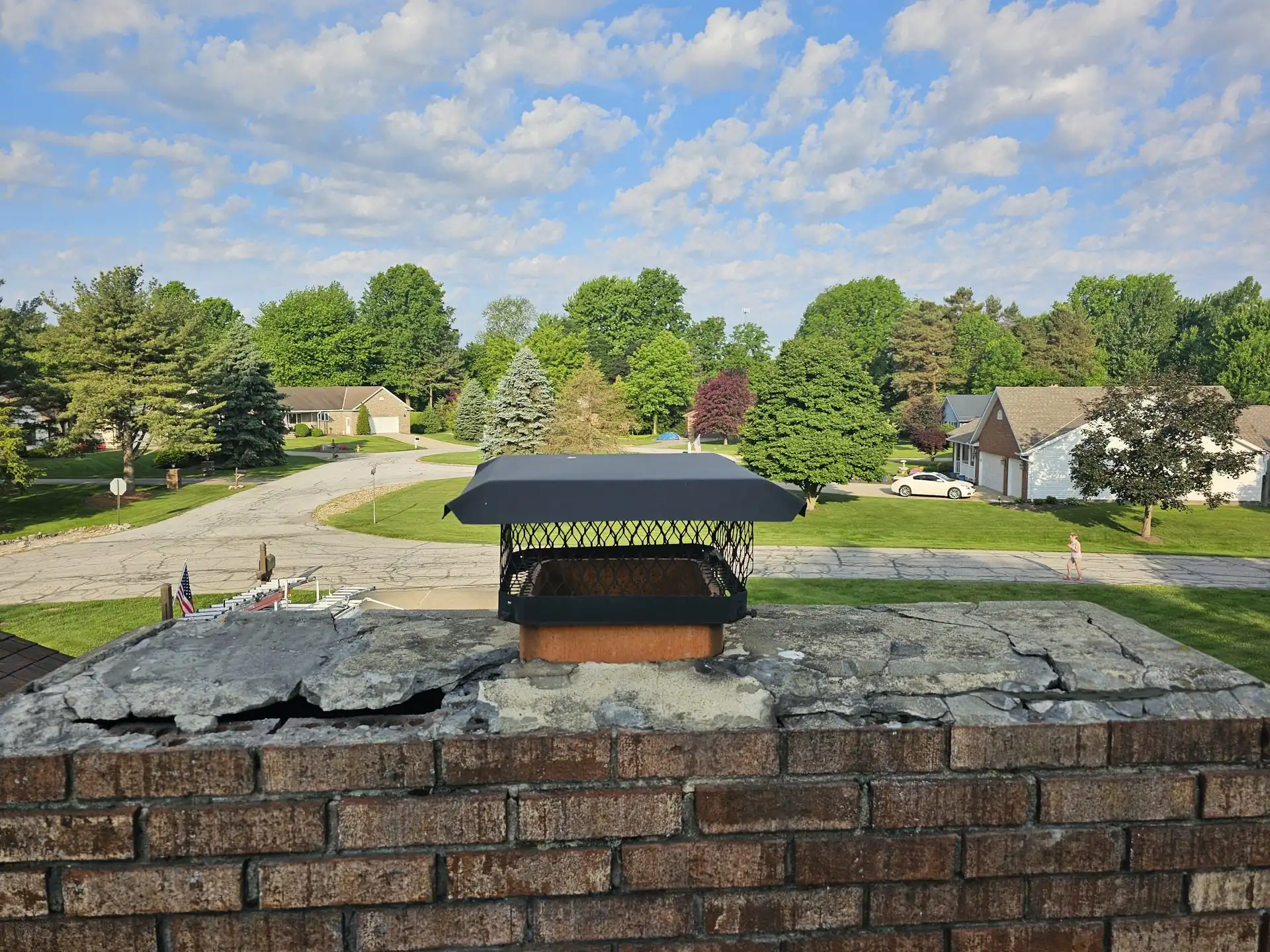
Water leak repair: flashing, cricket installation, crown and wash, waterproofing
Chimney caps and custom caps, top mounted dampers, animal removal
Chimney relining with aluminum or stainless steel liners, or HeatShield cerfractory resurfacing
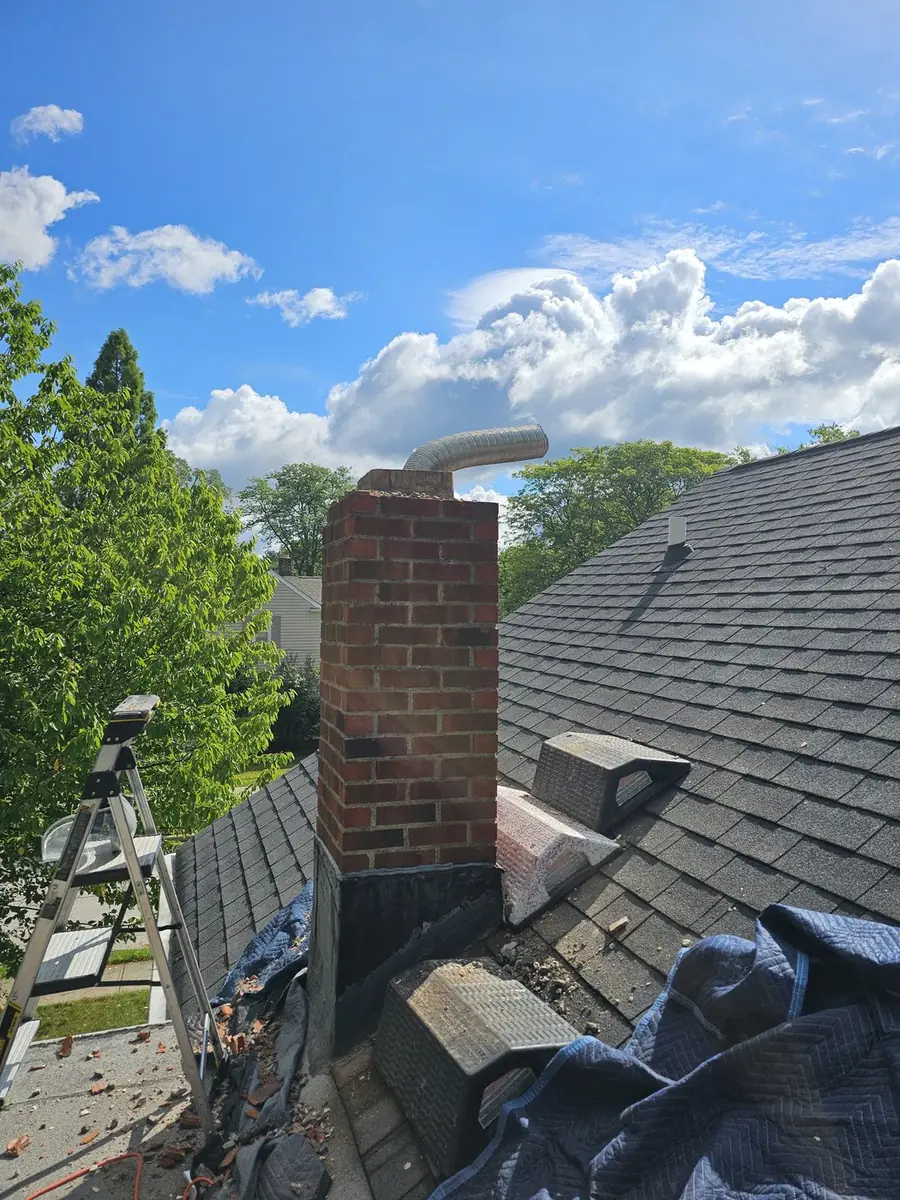
Masonry repair: tuckpointing, brick replacement, partial and full rebuilds
Damper repair and installation, smoke chamber parging, firebox repair
Eco friendly methods: non toxic cleaning agents for sweeping, HEPA filtration in the house, and sustainable materials for repairs and installations
Chimney fires and carbon monoxide leaks start with problems you cannot see from the hearth. Our inspections follow NFPA 211 levels and you get the video.
The National Fire Protection Association code NFPA 211 mandates an annual inspection for every chimney and venting system, regardless of how often it is used. Regular use builds flammable and corrosive deposits such as creosote and soot in the flue, which must be cleaned. A chimney that sits unused still needs its structure checked, especially in Northeast Ohio, where it faces long, harsh winters and constant exposure to the elements. Different chimneys call for different inspections, so we offer the levels outlined by the NFPA. During a typical inspection we examine, clean and verify that the chimney system is sized, installed correctly and safe to use.
Interior camera inspection
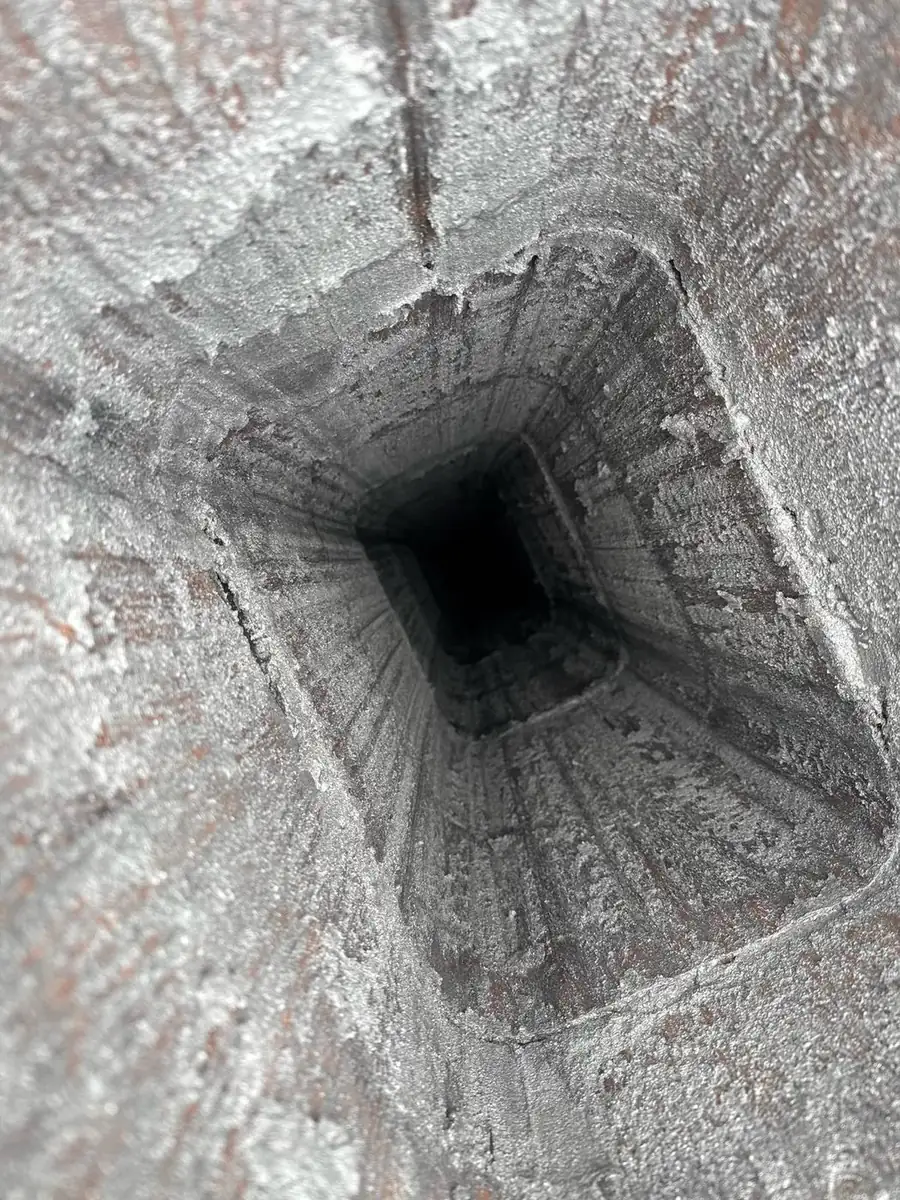
A flue camera travels the full length of the chimney and records cracked tiles, missing mortar joints, creosote glaze and blockages.
Exterior drone inspection
A drone pass over the crown, cap, flashing and brickwork, without ladders on a wet roof and without missing the back side.
Level 1 or 2 inspection
For a chimney in regular use with no changes. Readily accessible areas, basic soundness of the structure and flue, and a sweep if needed. Advised for homeowners who maintain their chimney every year, and included with our chimney and furnace flue sweeping.
Level 2 inspection
Required when you buy or sell a home, change fuel type or appliance, after a chimney fire, storm or earthquake, or when the chimney noticeably changes how it performs. We video scan the flue and inspect the cap, crown, flashing, masonry, flue liner, damper, appliance connections, smoke chamber and firebox for cracks, leaks and damage. Essential before a new liner or appliance goes in.
Leak diagnosis
Water stains on the ceiling near the chimney are usually flashing or crown, not the roof. We find the entry point before anyone starts patching.
Real estate inspections
Fast turnaround, written report with photos and video, and repair pricing you can take into negotiations.
Good to know
Chimney Sweeping Overview
What a sweep really does, how much creosote is too much, and why a swept chimney is not automatically a safe one.
Why We Call It Chimney Sweeping
The proper industry term is chimney sweeping, rather than simply “chimney cleaning.” Sweeping removes accessible soot, creosote, and other deposits so the chimney can vent properly and its interior surfaces can be inspected more thoroughly.
A chimney sweep should not be understood as a promise that the chimney will be completely clean or entirely creosote free afterward. Depending on the type and amount of buildup, multiple passes or specialized treatment may be required.
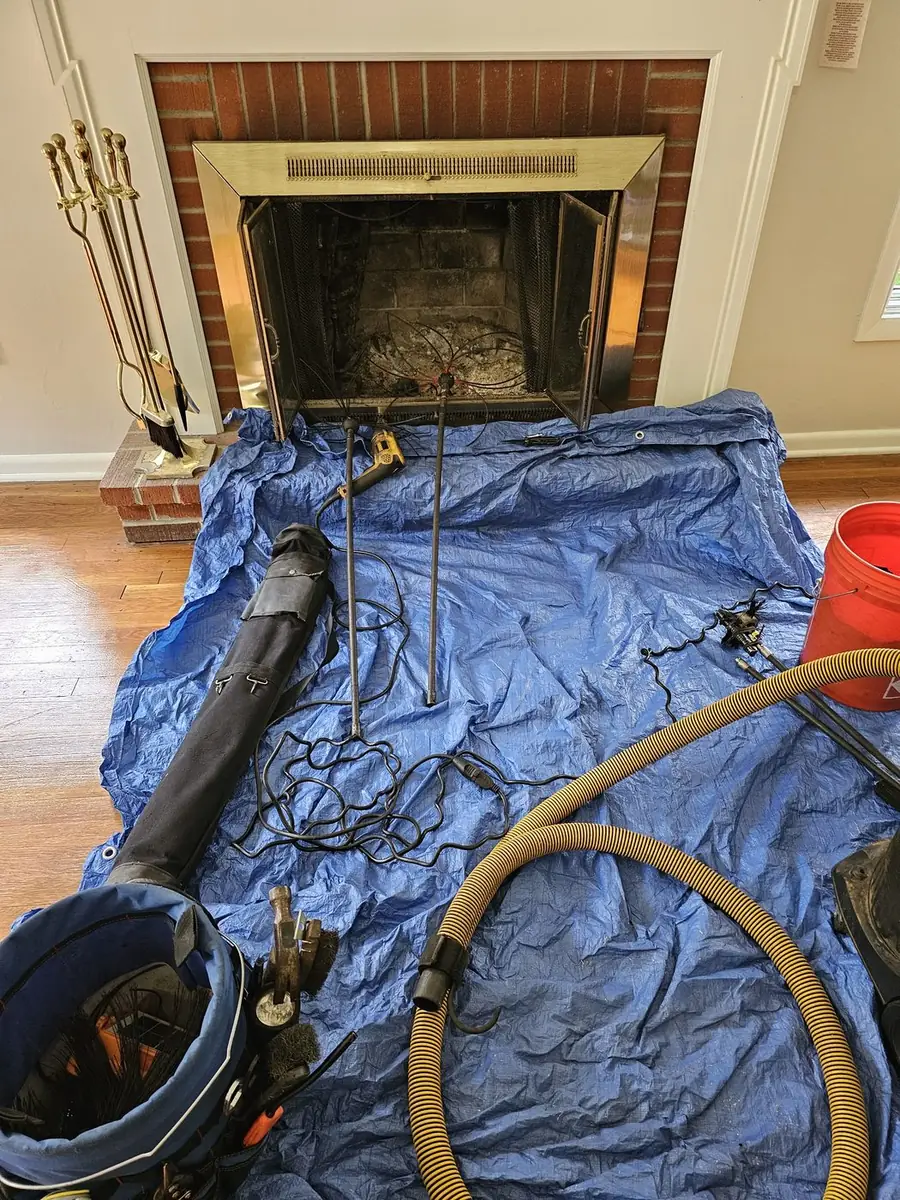
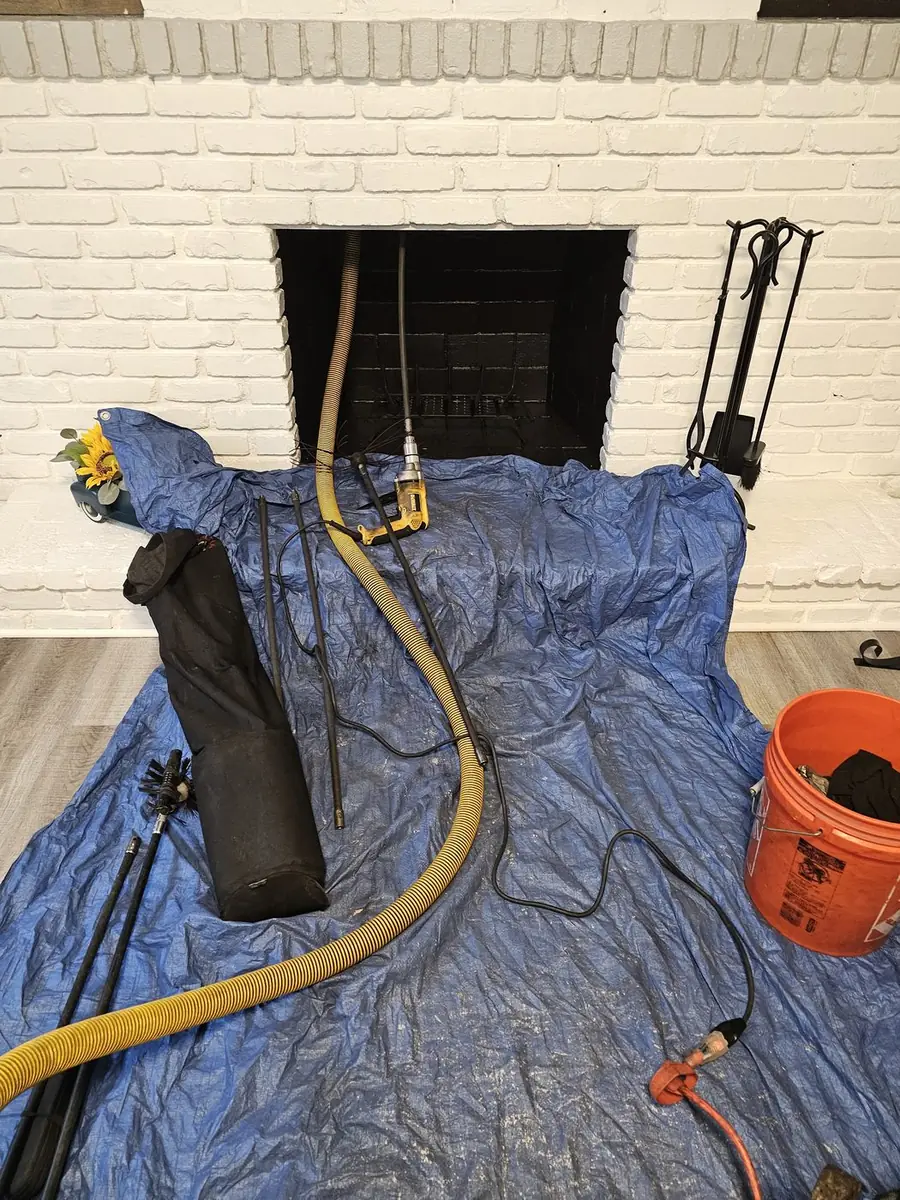
A real Green and Clean sweep: floor protected, rods and brushes ready, HEPA vacuum running.
How Much Creosote Is Allowed Inside a Chimney?
For a wood burning masonry fireplace and chimney, the commonly recognized CSIA/NFPA based sweeping threshold is approximately ⅛ inch (about 3 mm) of soot or creosote buildup.
Less than ⅛ inchSweeping may not be required based on thickness alone, although other conditions may still make it necessary.
⅛ inch or moreThe chimney should be professionally swept.
Glazed, shiny, or tar like creosoteIt should be addressed sooner, even when the layer is less than ⅛ inch, because glazed creosote is particularly combustible.
Annual inspectionsChimneys should be inspected every year, regardless of how frequently they are used.
The ⅛ inch measurement should be described as a recognized sweeping threshold, not as an amount of creosote that “code allows.” Requirements can vary depending on the chimney, appliance, manufacturer’s instructions, and locally adopted codes.
A suitable statement for an inspection report is:
“Creosote accumulation approaching or exceeding ⅛ inch requires professional sweeping in accordance with recognized chimney industry safety guidance.”
Sweeping Is the Starting Point for a Better Inspection
In many cases, the greatest value of a chimney sweep is that it creates better conditions for an inspection. Heavy deposits can conceal cracks, gaps, damaged flue tiles, deteriorated mortar joints, and other defects. Removing accessible buildup allows the technician to obtain a clearer view and better evaluate the integrity of the chimney.
Every evaluation needs a reasonable starting point, and sweeping the chimney is often that starting point. However, sweeping alone does not establish that the chimney is safe to use. It is a maintenance procedure that supports the inspection, not a repair, a complete structural evaluation, or a guarantee of safety.
After the sweep, the inspection may reveal conditions that require further evaluation, an internal camera inspection, specialized creosote removal, or repairs before the chimney should be used.
When Is PCR Treatment (“chemical” cleaning) Necessary?
In cases involving hardened, third degree glazed creosote that cannot be removed through normal sweeping, a specialized treatment known as PCR (Poultice Creosote Remover) may be recommended.
PCR is a more involved and substantially more expensive process. It generally requires application of the treatment, drying time, and a follow up visit to sweep away the loosened material. PCR should be recommended only when the chimney’s condition requires it. For ordinary soot and removable creosote, this additional treatment may be unnecessary.
A Swept Chimney Is Not Automatically a Safe Chimney
It is important to have realistic expectations: a swept or even creosote free chimney is not automatically safe to use. Safety also depends on the condition and integrity of the entire chimney and venting system.
The goal of chimney sweeping is not merely to make the chimney look clean. It is to remove accessible hazardous deposits, improve the quality of the inspection, and help determine what, if anything, must be addressed before the chimney can be used safely.
Benefits of our chimney services in Cleveland, and why homeowners opt for them
Chimney sweep and inspection
Regular sweeping and professional inspections keep your chimney safe and efficient, preventing fire hazards and increasing heating efficiency.
Chimney masonry repair
Our technicians restore the integrity of your chimney with eco friendly materials, for long lasting use and to prevent structural problems.
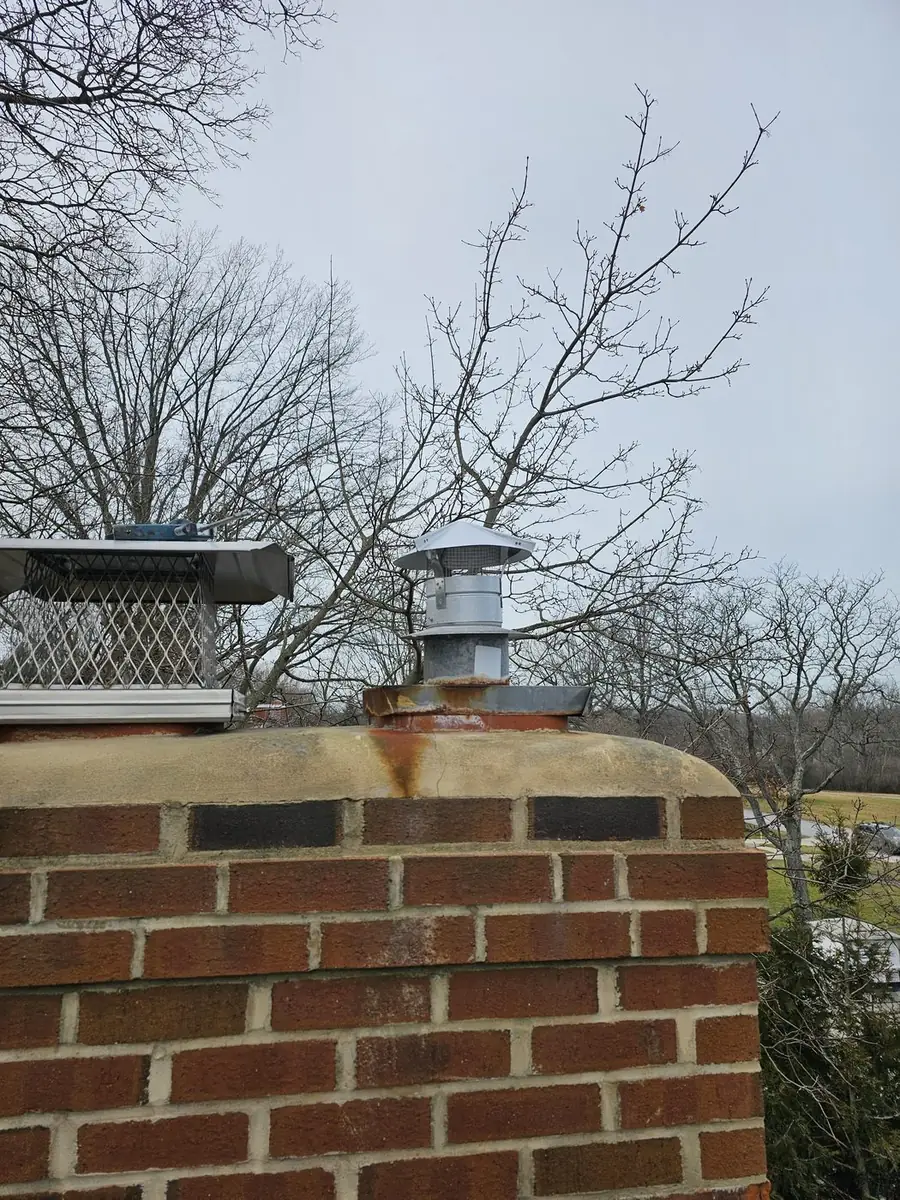
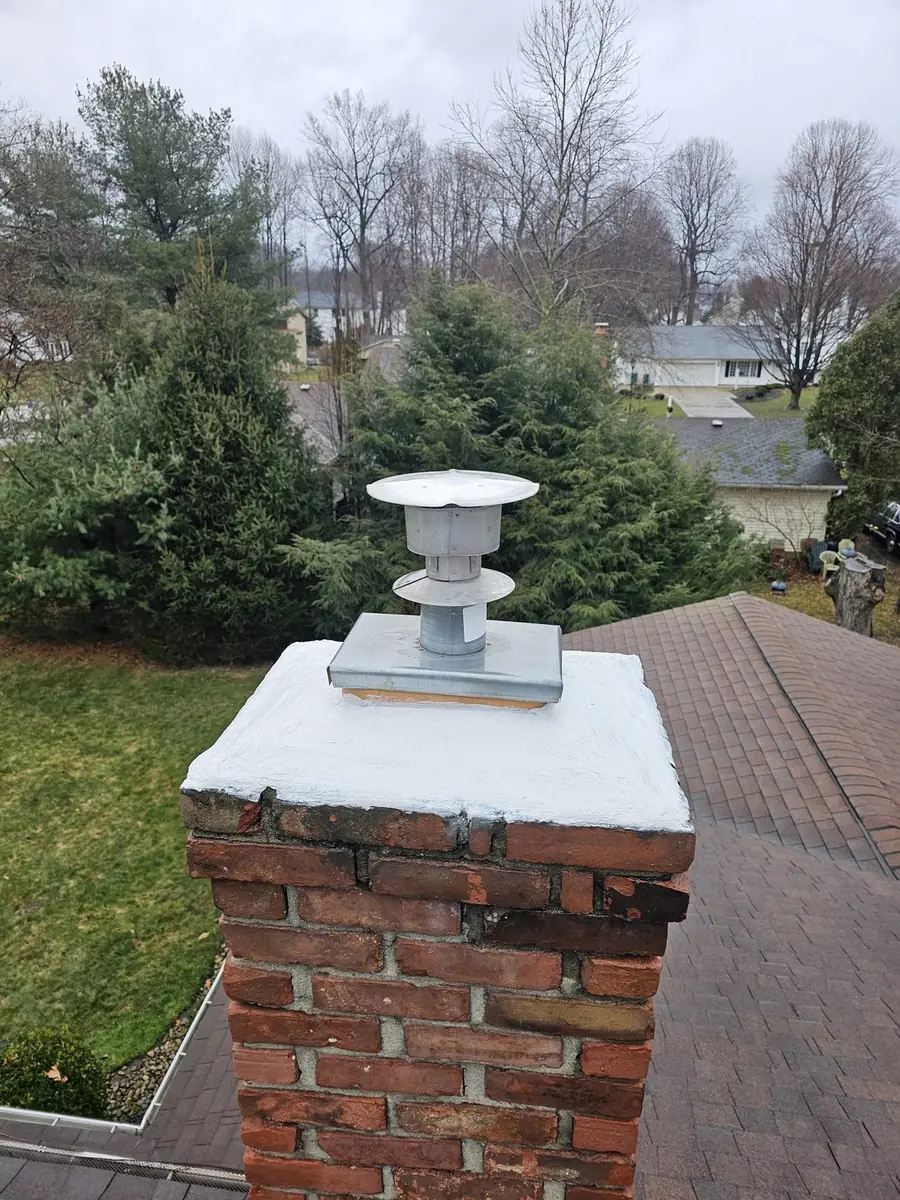
Chimney cap installation
Protect the chimney from the elements and reduce downdrafts with a professionally installed cap, built with sustainable practices.
Expert and certified technicians
Our team is trained in the latest eco friendly chimney service techniques, for top quality workmanship and environmental care.
Comprehensive service range
From routine maintenance to complex repairs, we cover every aspect of chimney care, all under one roof.
Eco friendly methods
Sustainable practices and materials that minimize our environmental footprint while delivering superior chimney services.
Before and after
Drag to see the difference
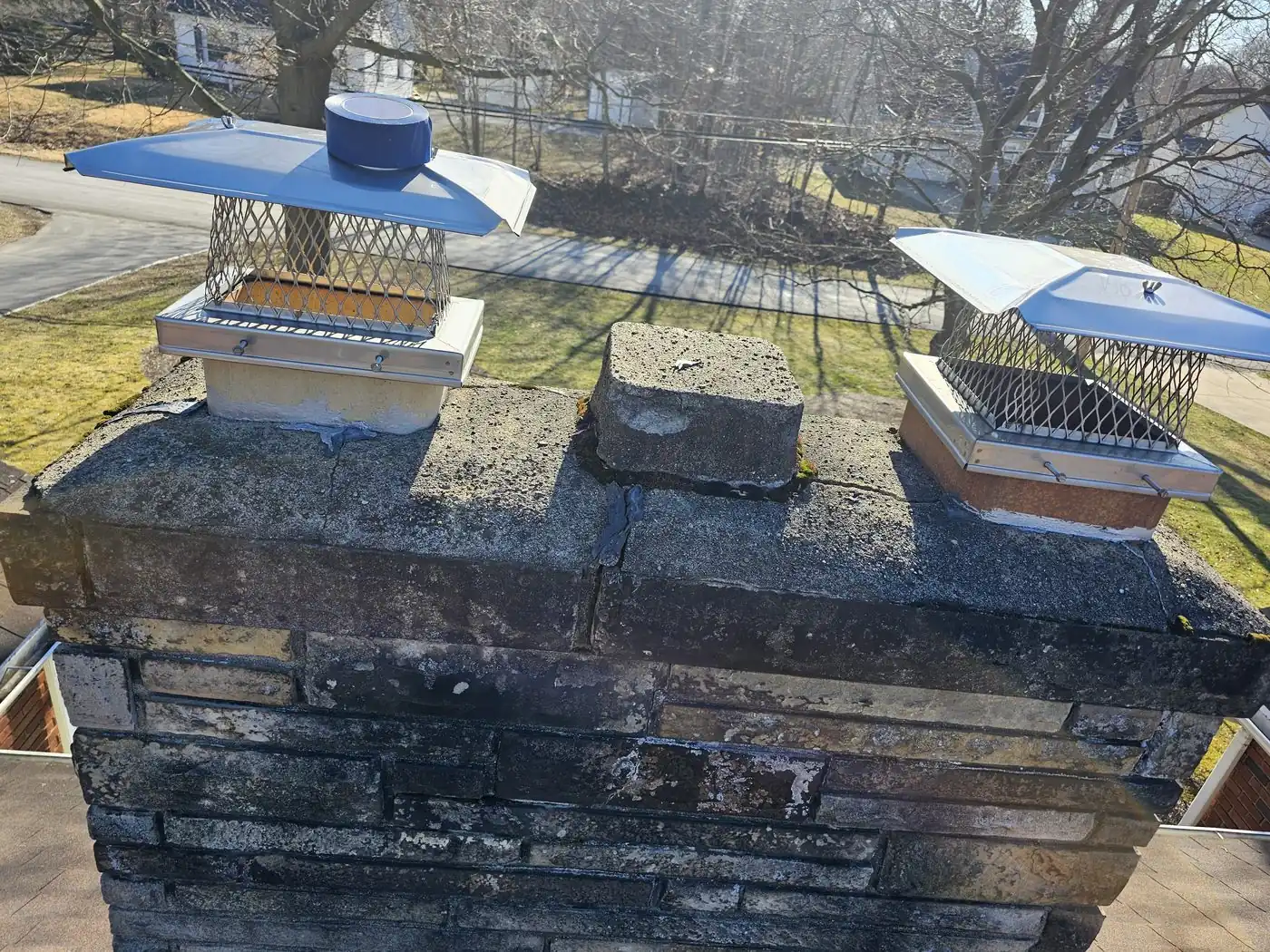
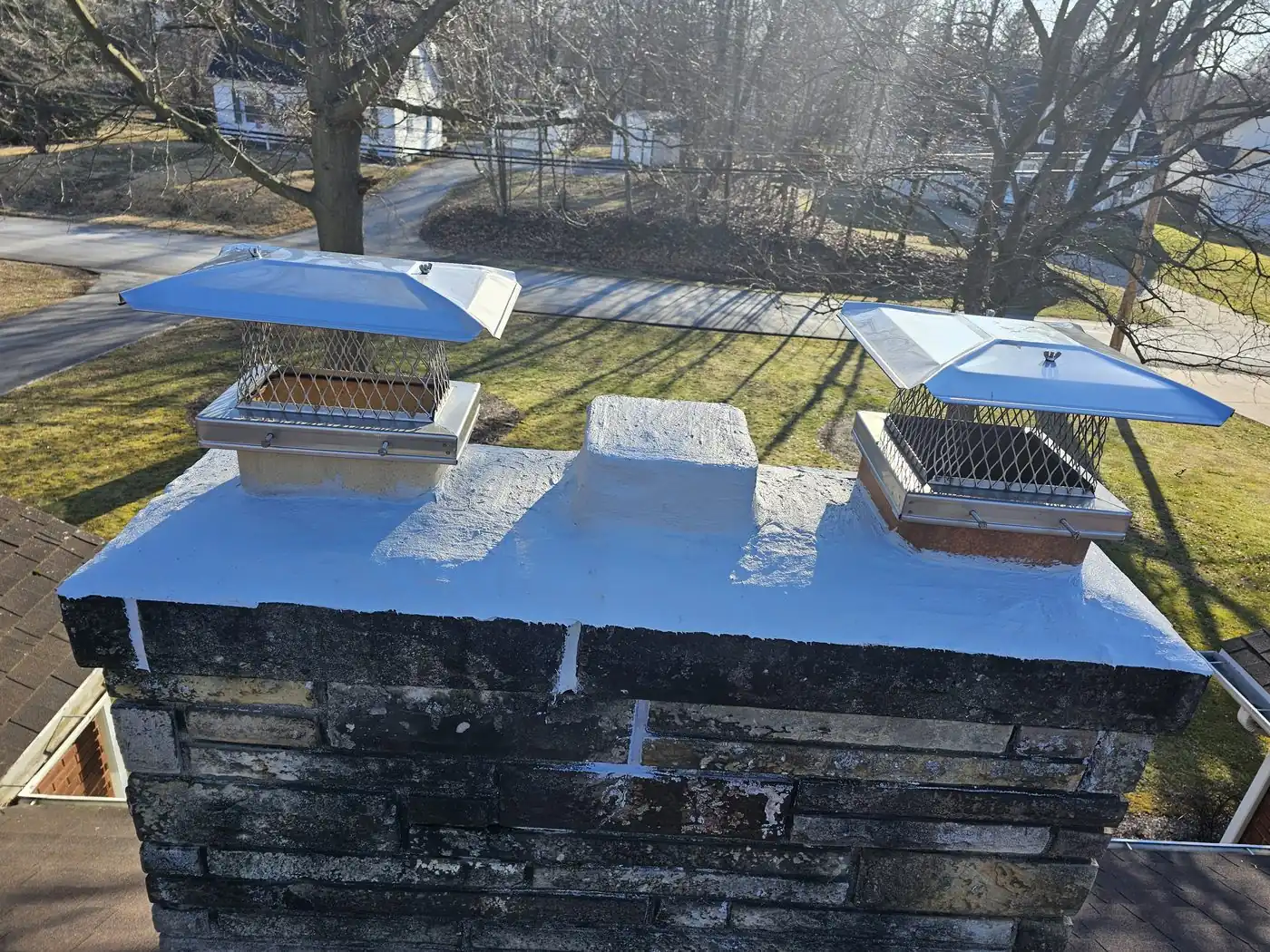
BeforeAfterCrown rebuild and new cap
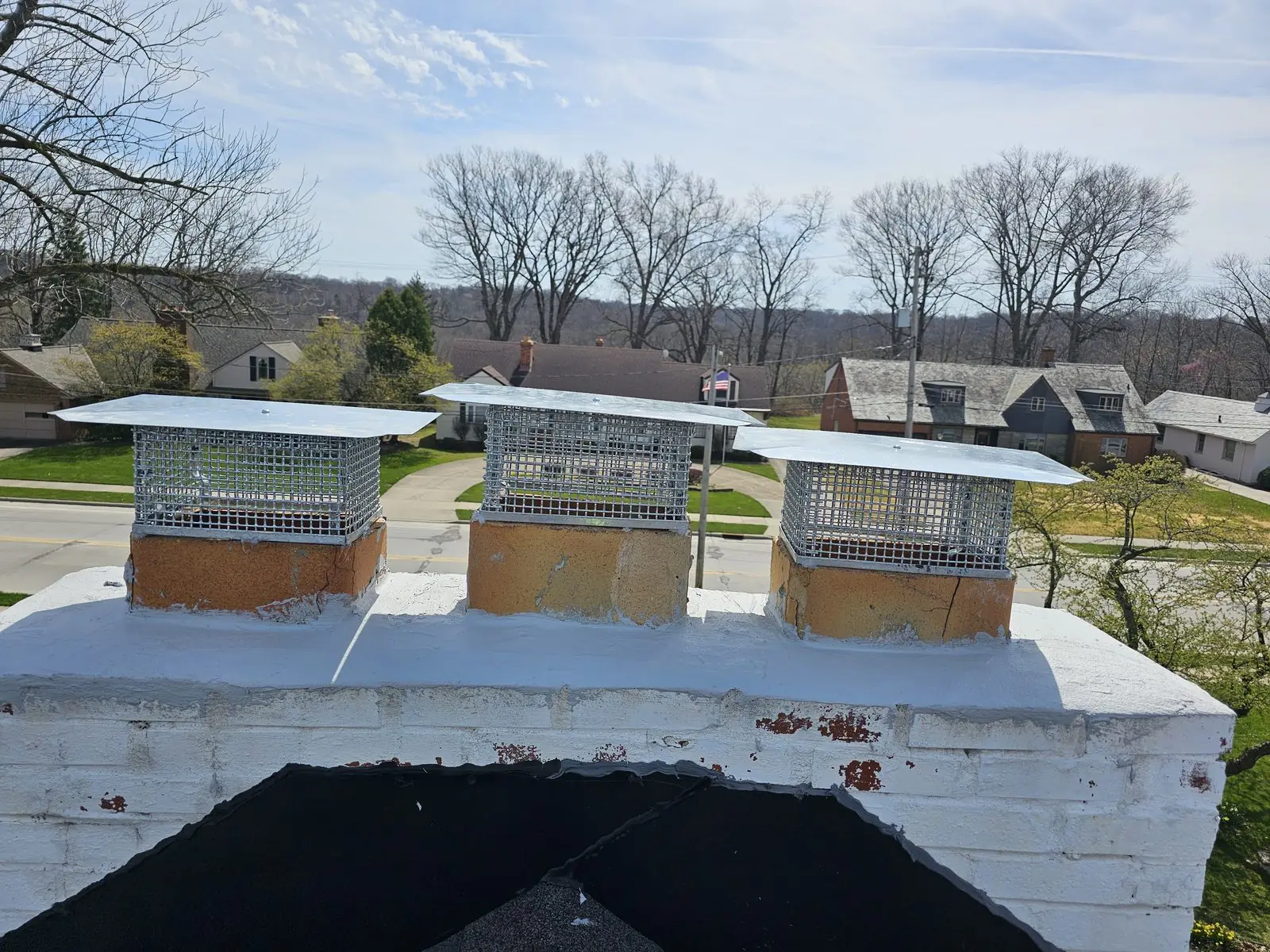
BeforeAfterThree flues capped
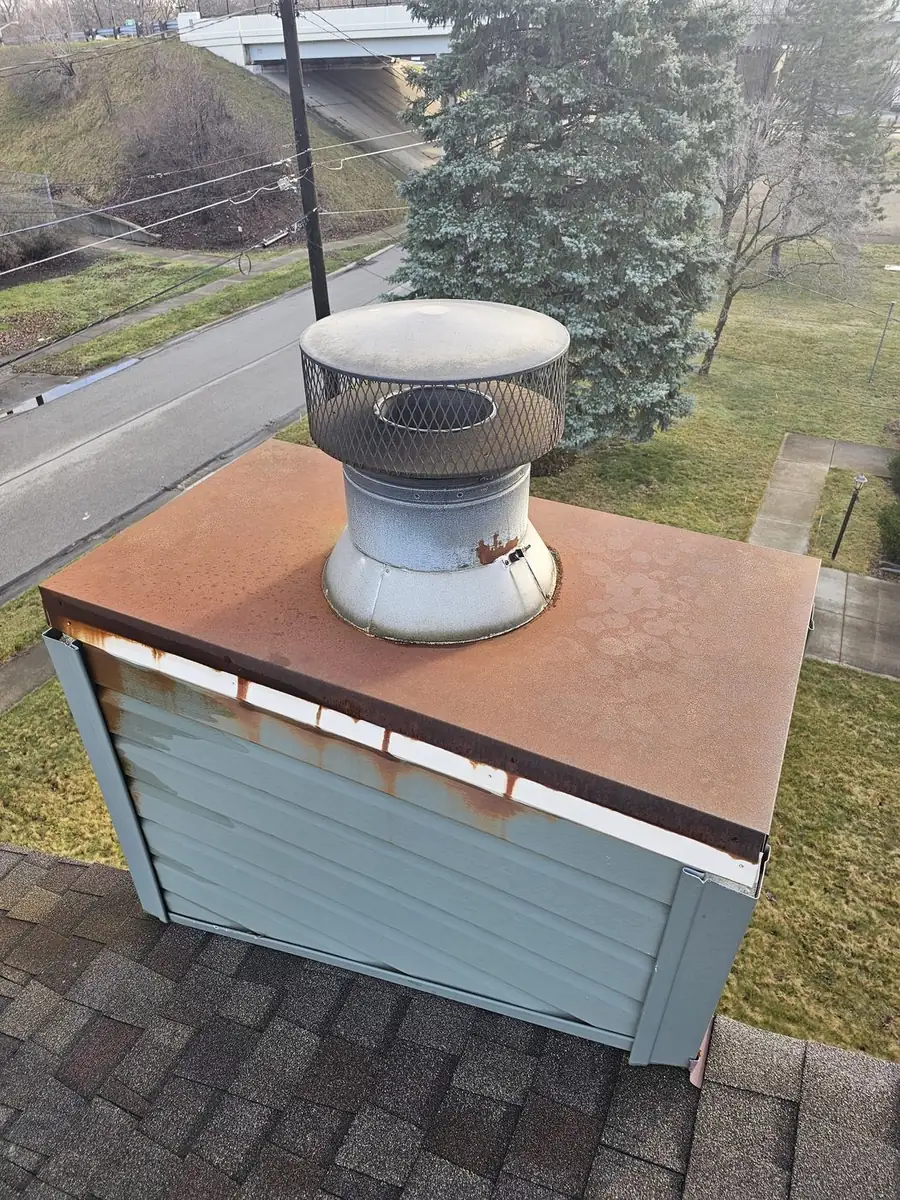
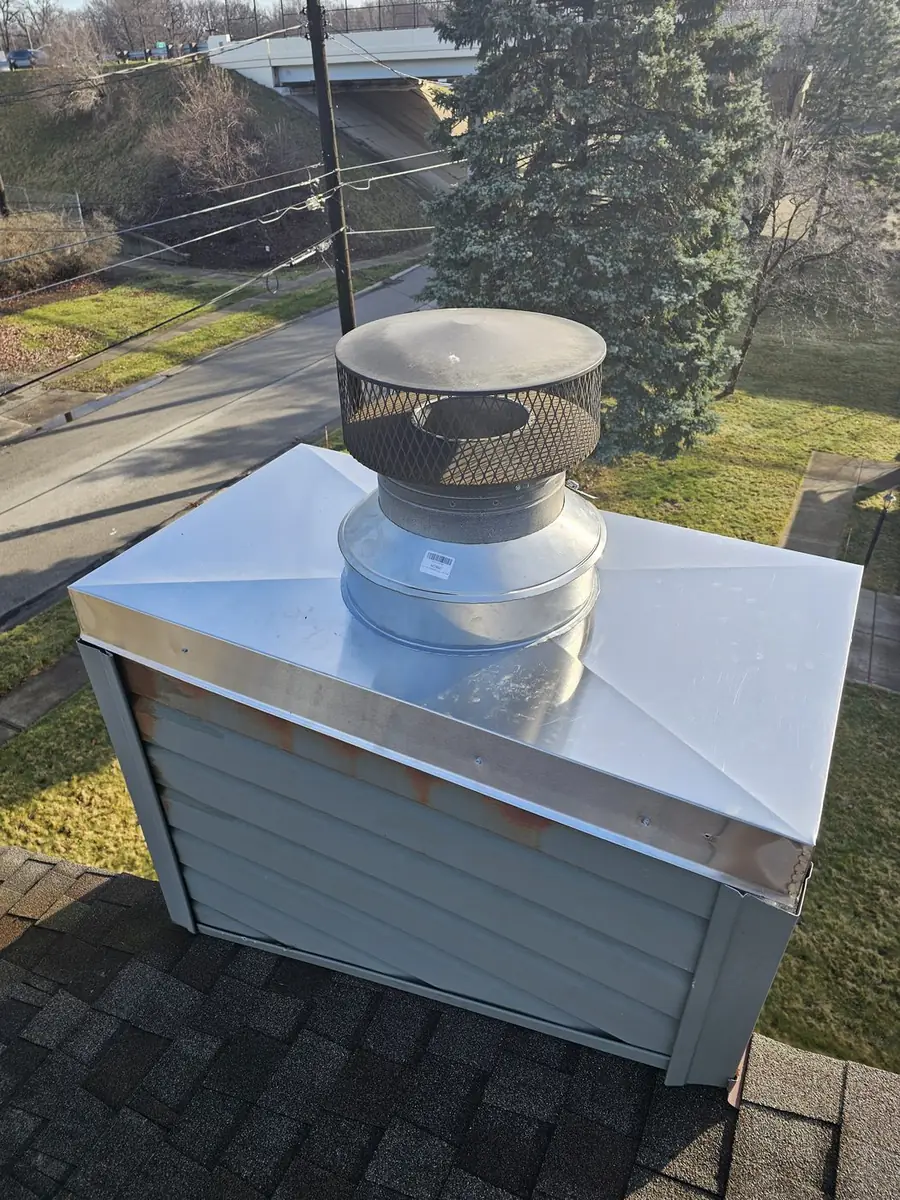
BeforeAfterRusted chase cover replaced in stainless
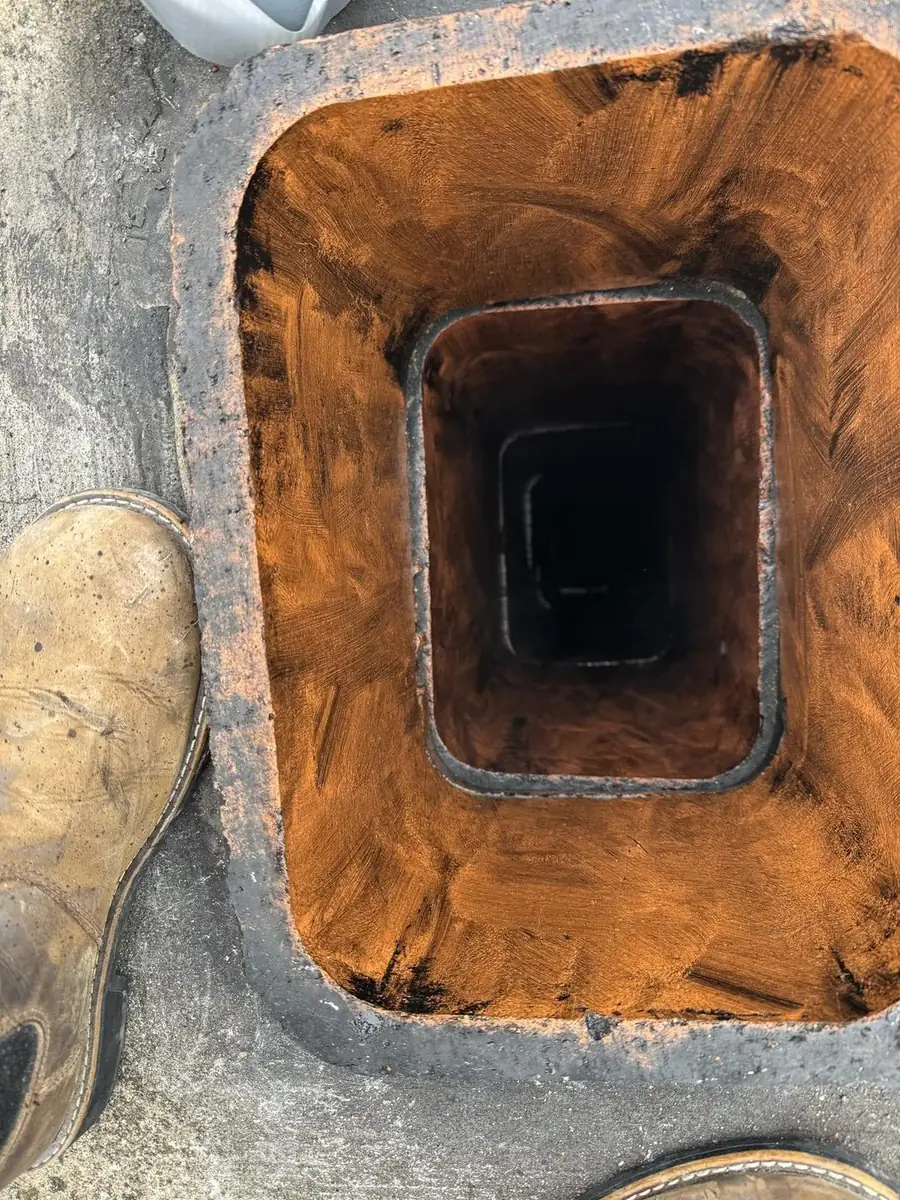
BeforeAfterHeatShield flue resurfacing
Cap installationCrown rebuild, BrunswickCrown and capSweep and inspectionChase coverTuckpointing and flashingTop mounted damper
On video
Watch our chimney work, filmed on real jobs
Short clips from our technicians and customers across Northeast Ohio. Tap any clip to play it here.
Why certification matters
What hiring a CSIA Certified Chimney Sweep actually means
Hiring us as a Certified Chimney Professional, a trusted NCSG member, a CSIA Certified Chimney Sweep and an NFI Certified technician means you are trusting your home to someone who studied for and passed extensive exams covering inspection, maintenance, codes and standards for chimneys and venting systems.
Certification holders agree to a strict code of ethics that protects homeowners from scams; break it and the certification is revoked. We recertify every three years through examination or continuing education, because the industry keeps changing. These credentials are recognized by insurance underwriters, building officials and local, state and federal agencies as the measure of a chimney technician's knowledge, and of the knowledge needed to properly plan and install hearth products and their venting systems. As a trusted NCSG member, our business was screened and approved.
Builders and officials come to us with questions about the installation and operation of hearth products. Our specialists are trained in heat transfer, the factors that affect efficiency, codes and standards, venting systems, installation guidelines and troubleshooting, factory built fireplaces, inserts, wood stoves, house pressure tests, tools and instruments, construction fundamentals and safety guidelines. These certifications meet the highest educational standards: they are regulated by the Indiana State Workforce Innovation Council, Office for Career and Technical Schools, recognized as the basis for a special license to install hearth products, and recommended by the Environmental Protection Agency. NFI credentials stay current through its Continuing Education Program, renewed with continuing education units from accredited training.
Building code officials prefer certified companies
Insurance claims go smoother with a certified report
Every certification is verifiable online, click any badge
How often should a chimney be swept in Northeast Ohio?
Inspect every year and sweep when creosote reaches an eighth of an inch, which for most wood burning homes here is once a season. Gas fireplaces still need an annual inspection because the flue can crack and birds still nest in the cap.
How much does a chimney sweep cost?
Pricing depends on the flue type, height and how much creosote has built up. We give a firm price before we start and the inspection video is included. Request an appointment and we will quote your chimney specifically.
My ceiling is stained near the chimney. Is it the roof?
Usually not. Nine times out of ten it is failed flashing, a cracked crown or porous brick soaking up rain and lake effect snow. We diagnose the entry point on the drone footage before anything gets patched.
What is HeatShield and when do you use it?
HeatShield is a cerfractory sealant that resurfaces a clay tile liner from the inside, repairing gaps and cracks without tearing the chimney apart. We are HeatShield certified and use it when the liner is damaged but the structure is sound. When it is not, we install a stainless steel liner.
Do I need a Level 2 inspection to sell my house?
Yes. The NFPA 211 standard calls for a Level 2 inspection on any sale or transfer of property. Buyers and their inspectors increasingly ask for the video and the written report, and we provide both.
Can a chimney cap really improve how my chimney works?
Yes. A cap keeps debris and animals out, reduces moisture getting into the flue and brick, and improves draft, which adds up to better function and safety. Most of the caps we install replace a rusted or missing one.
What makes your chimney services eco friendly?
We use environmentally safe methods and materials across the board: non toxic cleaning agents and HEPA filtration for sweeping, sustainable materials for repairs and installations, and technicians trained in the latest eco friendly chimney service techniques. Green is in the name for a reason.
Are you insured for work on my roof?
Yes. Green and Clean is licensed in Ohio, carries full liability insurance and has workers compensation on file. You can view the documents on our certifications page.
Schedule service
Ready when you are. Certified, insured, and local.
Tell us about your chimney, fireplace, ducts, dryer vent, carpet or upholstery and we will come back with straight answers and a firm price. No pressure, no upsell.
5.0 stars on Google from 361 Northeast Ohio homeowners