
Gas fireplaces are often marketed as cleaner, simpler, and easier to use than wood burning fireplaces, which leads many homeowners to ask does gas fireplace need chimney before installing or using one. The short answer depends on the type of gas fireplace and how it is designed to vent exhaust gases. While gas fireplaces do not create creosote like wood fires, they still produce combustion byproducts that must exit the home safely. Understanding how different gas fireplace systems handle venting helps homeowners avoid dangerous assumptions and make informed decisions.
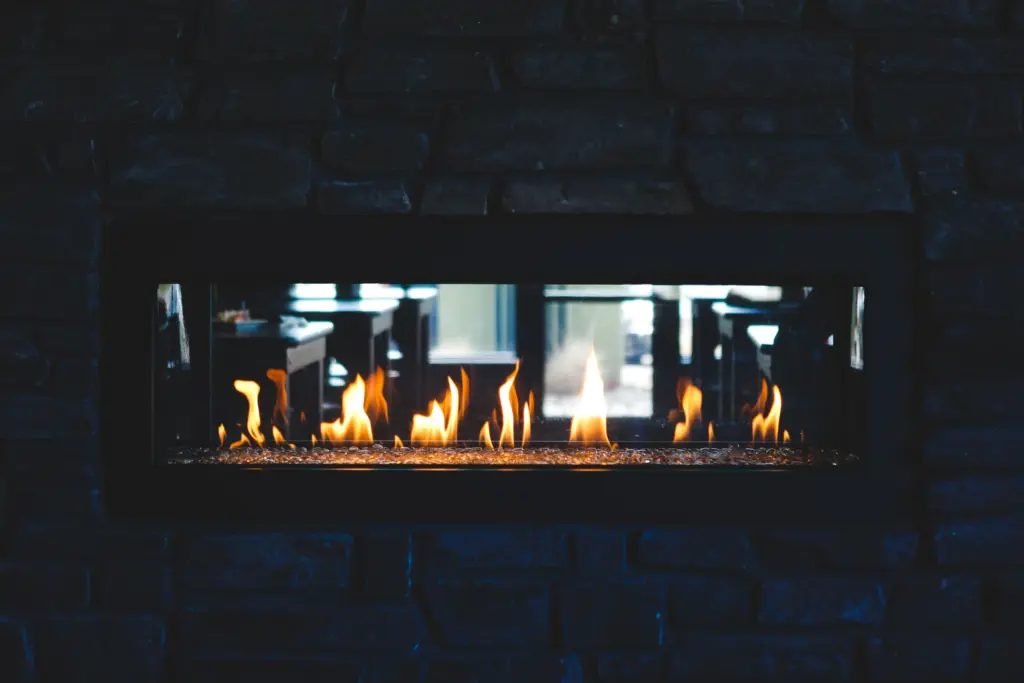
Why Venting Still Matters for Gas Fireplaces
Every gas fireplace burns fuel, and combustion always produces exhaust. Even though gas burns cleaner than wood, it still releases carbon monoxide, moisture, and other gases. Those byproducts must leave the home in a controlled way. This is where confusion often begins. Homeowners who ask does gas fireplace need chimney sometimes assume that gas appliances do not require venting because they do not produce visible smoke.
In reality, venting protects indoor air quality and prevents harmful gases from building up inside the home. The method of venting varies by fireplace design, but safe exhaust removal is always required unless the unit is specifically engineered to operate differently. Venting is not optional when safety is involved.
Traditional Gas Fireplaces and Chimney Use
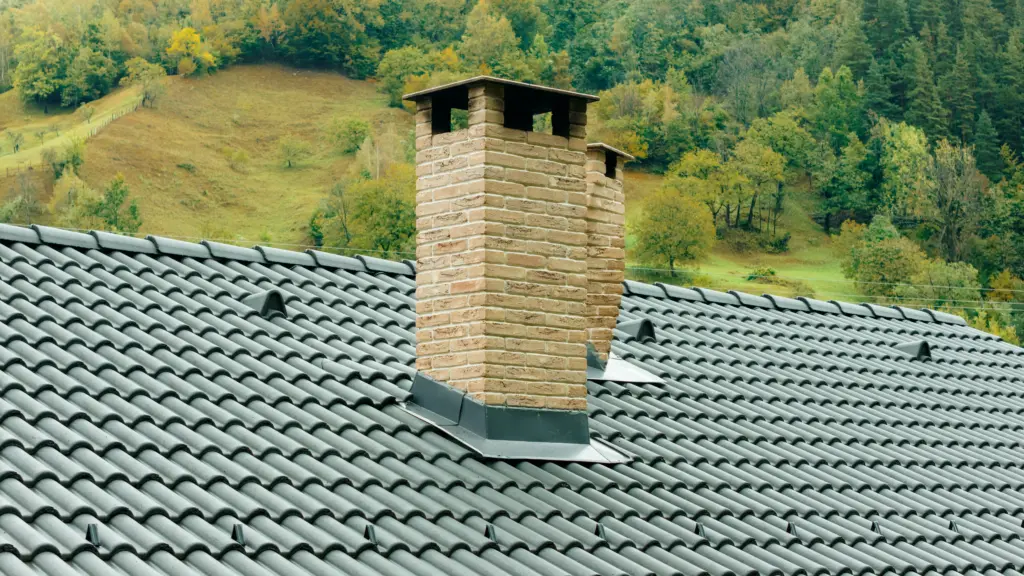
Some gas fireplaces connect to existing masonry chimneys. These systems often resemble traditional fireplaces and vent combustion gases upward through a flue. In these cases, the chimney continues to play an essential role even though the fuel source has changed. Homeowners with older homes frequently encounter this setup when converting from wood to gas.
When a gas fireplace uses a chimney, the flue usually requires inspection and proper sizing. Chimneys designed for wood fires may not vent gas appliances efficiently without modification. This is one reason professional evaluation matters. Asking does gas fireplace need chimney is often the first step in understanding whether an existing chimney can safely support a gas appliance.
Direct Vent Gas Fireplaces Explained
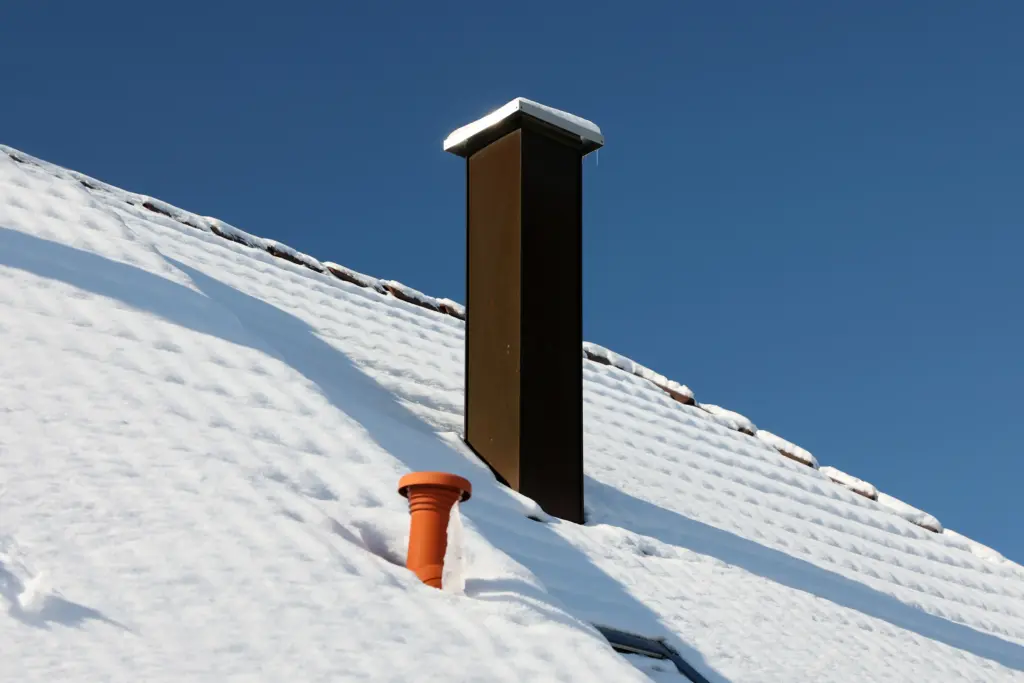
Direct vent gas fireplaces do not rely on traditional masonry chimneys. Instead, they use a sealed venting system that draws in outside air for combustion and expels exhaust through a dedicated vent pipe. This system often runs horizontally through an exterior wall or vertically through the roof. Because the system is sealed, indoor air does not mix with combustion gases.
Homeowners who install direct vent systems often ask does gas fireplace need chimney because they see no visible chimney connection. In these cases, the answer is no traditional chimney is required. However, proper vent installation remains critical. The vent system replaces the chimney function and must meet manufacturer specifications and local building codes.
Ventless Gas Fireplaces and Common Misunderstandings
Ventless gas fireplaces create the most confusion. These units are designed to operate without a chimney or external vent. They rely on indoor air for combustion and release exhaust gases back into the living space. Because of this design, they include safety features such as oxygen depletion sensors.
When homeowners ask does gas fireplace need chimney, ventless units often appear to contradict basic safety logic. While allowed in some areas, ventless fireplaces remain restricted or prohibited in others due to indoor air quality concerns. The Environmental Protection Agency has raised concerns about indoor pollutants from unvented gas appliances. This makes professional guidance especially important before choosing or operating a ventless unit.
Why Chimney Condition Still Matters with Gas Fireplaces
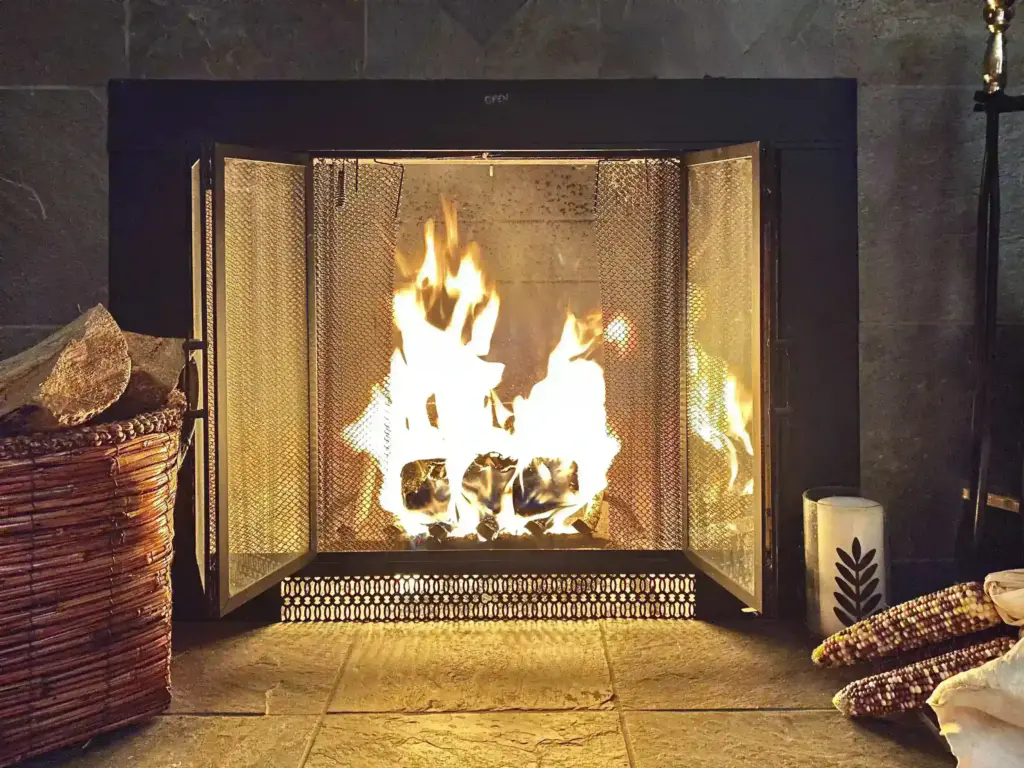
Even when a gas fireplace vents through an existing chimney, that chimney still requires maintenance. Gas appliances produce moisture that can damage masonry over time. Without proper liners and inspections, moisture can weaken mortar joints and cause long term structural issues.
Homeowners who assume gas fireplaces eliminate chimney concerns often overlook this risk. Asking does gas fireplace need chimney should also lead to questions about chimney liners, moisture control, and long term durability. Regular inspection ensures the chimney continues to vent safely and remains structurally sound.
Carbon Monoxide and Safety Considerations
Carbon monoxide is odorless and invisible, which makes proper venting essential. Gas fireplaces that vent incorrectly increase the risk of exhaust gases entering living spaces. This risk exists even when flames look normal. Venting systems must remain unobstructed and intact to function correctly.
The Chimney Safety Institute of America emphasizes inspection and maintenance for all vented appliances, including gas fireplaces. Their guidance reinforces that safety depends on proper exhaust pathways, whether through a chimney or a dedicated vent system.
Building Codes and Local Requirements
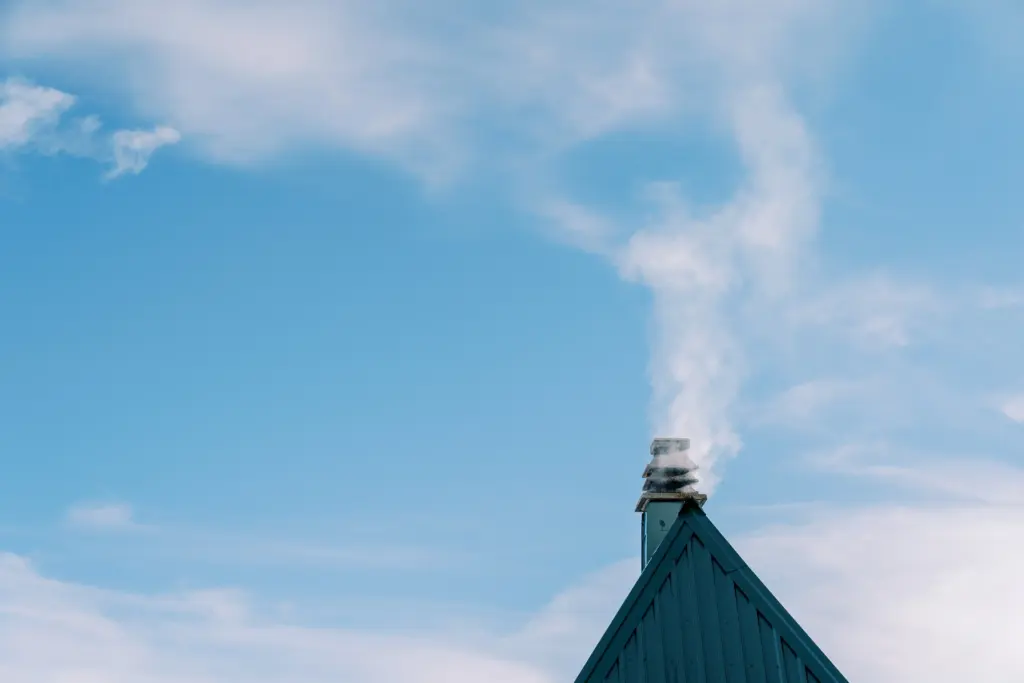
Local building codes determine how gas fireplaces must vent. These rules vary by municipality and depend on fireplace type. Some codes require chimneys for certain installations, while others allow direct vent or ventless systems under specific conditions.
Homeowners researching does gas fireplace need chimney should avoid relying solely on general online advice. Code compliance protects homeowners legally and physically. Professional installers and inspectors ensure that venting systems meet local requirements and manufacturer guidelines.
Why Professional Evaluation Is Important
Choosing the right venting solution requires understanding the fireplace type, home layout, and local code. Professional evaluation prevents costly mistakes and reduces safety risks. Technicians assess airflow, draft, chimney condition, and vent placement before recommending solutions.
Gas fireplaces offer convenience and efficiency, but only when installed and maintained correctly. A professional inspection provides clarity for homeowners unsure whether their system requires a chimney or alternative venting.
Final Answer to the Chimney Question
The question does gas fireplace need chimney does not have a single universal answer. Some gas fireplaces vent through traditional chimneys, some use sealed direct vent systems, and others operate without vents under strict conditions. What matters most is that combustion gases exit the home safely and in compliance with local codes.
If you are considering a gas fireplace or have questions about your current setup, professional guidance removes uncertainty. Visit our Fireplace Services page or contact us to schedule an evaluation. Green & Clean Home Services helps homeowners across Northeast Ohio make safe, informed decisions about their fireplaces.