Understanding how to clean a chimney is a critical part of maintaining a safe and efficient home. Many homeowners enjoy the comfort of a fireplace but often ignore the maintenance required to keep it operating properly. Over time, soot, ash, and creosote build up inside the chimney, creating serious fire hazards and reducing performance. If this buildup is not removed, it can lead to dangerous chimney fires, poor airflow, and costly damage. In colder regions like Northeast Ohio, where fireplaces are used frequently, regular chimney cleaning is essential for both safety and long-term efficiency.

Why Cleaning a Chimney Is Important
Chimney cleaning is not just about keeping things tidy. It is about protecting your home from fire risks and ensuring proper ventilation. Creosote, a highly flammable substance, forms when wood burns and smoke cools inside the flue. As it builds up, it creates a serious fire hazard. According to the Centers for Disease Control and Prevention, home fires are a major safety concern, and proper maintenance of heating systems plays a key role in prevention. A clean chimney allows smoke and harmful gases to escape safely, reducing the risk of indoor air pollution.
How Creosote and Soot Build Up
Every time you light a fire, smoke travels through the chimney carrying unburned particles. As the smoke cools, these particles stick to the chimney walls, forming creosote. This buildup occurs faster when burning unseasoned wood or when airflow is restricted. Over time, creosote thickens into a sticky, tar-like substance that becomes increasingly difficult to remove. Without regular cleaning, this buildup continues to grow and increases the chances of a chimney fire.
Signs Your Chimney Needs Cleaning
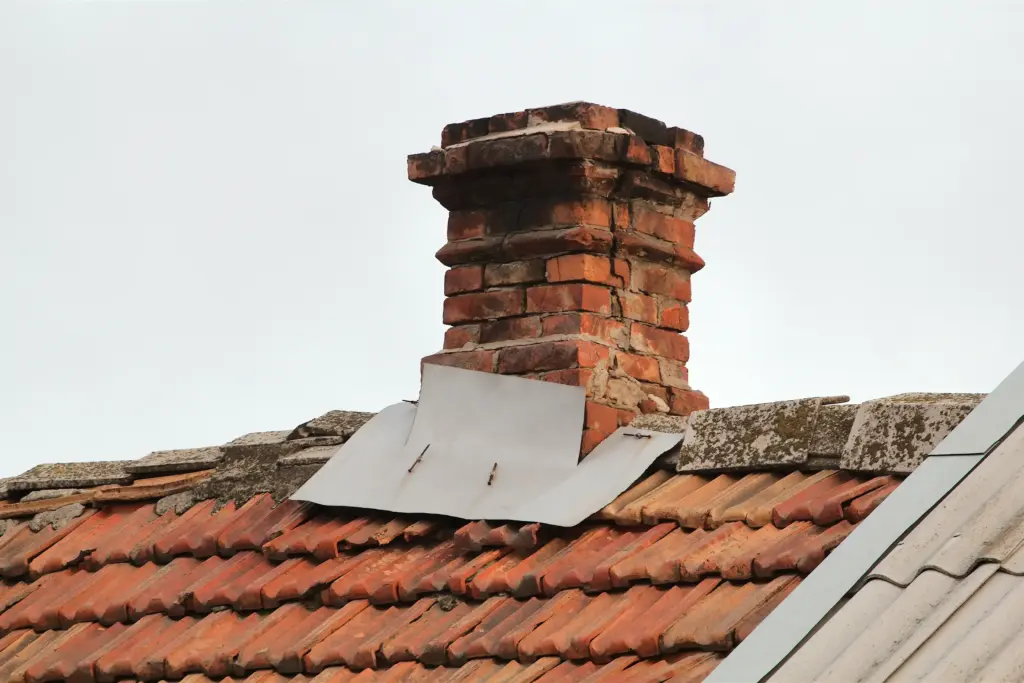
Recognizing when your chimney needs cleaning can help prevent serious problems. A strong smoky smell coming from the fireplace is often one of the first warning signs. You may also notice difficulty starting fires or poor airflow, which indicates blockage or buildup. Black, shiny residue inside the flue or excessive soot around the fireplace opening are clear signs of creosote accumulation. In some cases, debris or animal nests can block the chimney, requiring immediate attention.
Preparing for Chimney Cleaning
Before cleaning your chimney, proper preparation is essential. Make sure the fireplace has not been used for at least 24 hours so that it is completely cool. Remove any ash or debris from the firebox and cover nearby furniture and flooring to protect against soot. Wearing protective gear such as gloves, safety glasses, and a dust mask helps reduce exposure to harmful particles. Taking these steps ensures a safer and more efficient cleaning process.
How to Clean a Chimney Step by Step
The process of how to clean a chimney involves removing soot and creosote from the flue walls using a chimney brush. The brush is attached to extension rods and moved up and down inside the chimney to loosen buildup. As debris falls into the fireplace, it can be collected and removed. This process requires patience and attention to detail, as incomplete cleaning can leave behind flammable residue. A thorough cleaning ensures that the chimney is safe and ready for use.
Top-Down vs Bottom-Up Cleaning Methods
There are two main methods for cleaning a chimney: top-down and bottom-up. Cleaning from the top involves accessing the chimney from the roof and working downward, which allows gravity to assist in removing debris. This method is often more effective but requires caution when working at heights. Cleaning from the bottom is done inside the home and is more convenient, though it can create more mess if not handled carefully. According to InterNACHI, both methods can be effective when performed correctly.
Tools Needed for Chimney Cleaning
Using the right tools is essential for achieving a proper clean. A chimney brush that matches the size of your flue ensures effective contact with the walls. Extension rods allow you to reach the full height of the chimney. An ash vacuum is useful for cleaning up debris after the process. High-quality tools not only improve results but also reduce the risk of damage to the chimney structure.

Common Chimney Cleaning Mistakes
Many homeowners make mistakes when attempting to clean their chimney. One common error is underestimating the amount of buildup inside the flue, which leads to incomplete cleaning. Using the wrong brush size or skipping sections of the chimney can leave dangerous residue behind. Ignoring early warning signs allows creosote to accumulate further, increasing the risk of fire. Avoiding these mistakes is essential for maintaining a safe and efficient chimney.
When to Hire a Professional Chimney Service
While it is possible to learn how to clean a chimney yourself, professional cleaning is often the safest and most effective option. Professionals have specialized equipment and experience to handle heavy buildup and detect hidden issues. If your chimney has not been cleaned in a long time or shows signs of damage, it is best to seek expert help. Homeowners in Northeast Ohio can rely on Green and Clean Home Services for reliable chimney cleaning and inspection services.
How Often You Should Clean Your Chimney
Experts recommend cleaning your chimney at least once a year, especially if you use your fireplace frequently. Regular use during winter leads to faster buildup, making annual maintenance essential. Even occasional use can result in residue accumulation over time. Routine cleaning ensures proper airflow, reduces fire risk, and keeps your chimney functioning efficiently.

Benefits of Regular Chimney Maintenance
Keeping your chimney clean provides several long-term benefits. It improves airflow, enhances heating efficiency, and extends the lifespan of your chimney system. A clean chimney also reduces smoke problems inside the home and helps maintain better indoor air quality. By staying consistent with maintenance, homeowners can avoid costly repairs and enjoy a safer living environment.
Conclusion
Understanding how to clean a chimney is an essential part of responsible home maintenance. While DIY cleaning can be effective for light maintenance, professional services ensure a thorough and safe result. Regular chimney cleaning protects your home from fire hazards, improves efficiency, and provides peace of mind. If you want expert care and reliable service, contact Green and Clean Home Services today and keep your chimney in top condition year-round.