
Electric fireplaces have become increasingly popular in modern homes because they provide warmth and visual appeal without the complexity of traditional fireplaces. Many homeowners exploring new heating options eventually ask the question, can an electric fireplace heat a house. The answer depends on several factors, including the size of the space, the design of the heating unit, and how the appliance is used within the home. Electric fireplaces deliver reliable warmth for specific areas and can significantly improve comfort during colder months, but understanding their capabilities helps homeowners use them effectively.

How Electric Fireplaces Produce Heat
An electric fireplace works differently from wood burning or gas fireplaces. Instead of combustion, it uses electric heating elements that warm air and circulate it into the room through a fan system. This process produces steady heat without smoke, soot, or ventilation requirements. When homeowners investigate can an electric fireplace heat a house, they quickly learn that these systems are designed primarily for zone heating rather than whole home heating.
Zone heating focuses warmth in the areas where people spend the most time. Living rooms, bedrooms, and family rooms benefit greatly from the localized heat an electric fireplace provides. Because the heat is generated through electricity, the unit operates quietly and consistently while maintaining a comfortable temperature in the immediate space.
The Heating Capacity of Electric Fireplaces
Electric fireplaces typically produce between 4,000 and 5,000 British thermal units of heat. This output is usually sufficient to warm a room of approximately four hundred square feet. For homeowners wondering can an electric fireplace heat a house, it is important to recognize that the heat distribution remains concentrated near the unit. While warmth can spread gradually into nearby spaces, it rarely replaces a central heating system for an entire house.
Room size plays a major role in determining how effectively an electric fireplace can warm a space. Smaller rooms allow heat to accumulate quickly, creating a cozy environment even during colder weather. Larger open floor plans require more heating power, which means the electric fireplace works best when used alongside other heating systems.
Why Electric Fireplaces Are Ideal for Supplemental Heating
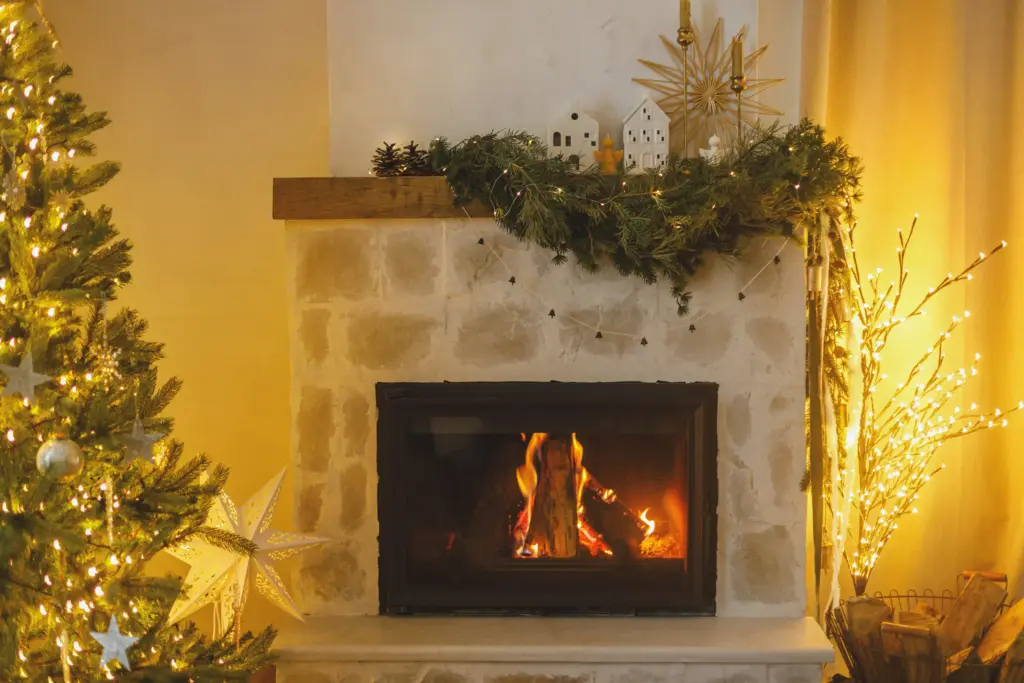
Electric fireplaces excel as supplemental heating sources. They allow homeowners to increase comfort in specific rooms without raising the thermostat for the entire house. When people research can an electric fireplace heat a house, they often discover that the unit works best when paired with existing heating systems. Instead of heating every room equally, the fireplace warms the areas in use while the central system maintains general background warmth.
This approach helps reduce energy consumption in many situations. Heating unused rooms requires additional energy, while zone heating concentrates warmth where it is needed most. Electric fireplaces make this strategy convenient because they can be turned on or off instantly without waiting for fuel to ignite or cool down.
Factors That Affect Heating Performance
Several factors influence how effectively an electric fireplace warms a home. Insulation plays an important role because well insulated walls and windows help retain heat inside the room. Homes with poor insulation allow warm air to escape quickly, making it more difficult for any heating appliance to maintain comfortable temperatures. When homeowners evaluate can an electric fireplace heat a house, the home’s insulation quality becomes an important consideration.
Ceiling height also affects heat distribution. Rooms with high ceilings allow warm air to rise above the living space, which reduces the warmth felt at floor level. In these situations, ceiling fans can help circulate air and keep heat evenly distributed throughout the room.
The Advantage of Instant Heat
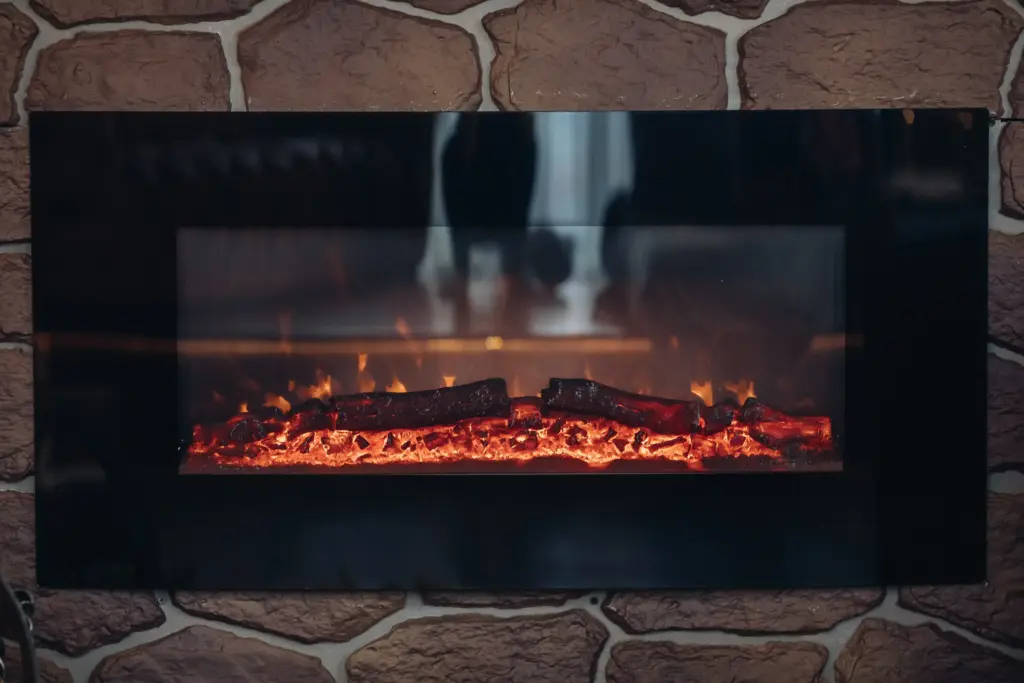
One of the most appealing features of electric fireplaces is their ability to produce heat immediately. Unlike traditional fireplaces that require time to ignite and stabilize, electric units begin warming the room as soon as they are switched on. This convenience leads many homeowners to explore can an electric fireplace heat a house efficiently during colder seasons.
Instant heat is especially useful during transitional weather when temperatures fluctuate throughout the day. Instead of activating a full central heating system, homeowners can use the electric fireplace to warm a room quickly. This flexibility adds comfort while helping manage energy usage.
Safety Benefits of Electric Fireplaces
Electric fireplaces offer several safety advantages compared with traditional heating methods. Because they do not burn fuel, they produce no smoke, carbon monoxide, or harmful combustion gases. This feature eliminates the need for chimney ventilation and reduces indoor air quality concerns. Families who consider can an electric fireplace heat a house often appreciate the safety and simplicity of these appliances.
Most modern electric fireplaces also include automatic shut off features that prevent overheating. The heating element remains enclosed within the unit, and the exterior surface usually stays cool to the touch. These safety measures make electric fireplaces a popular choice for homes with children or pets.
Energy Efficiency Considerations
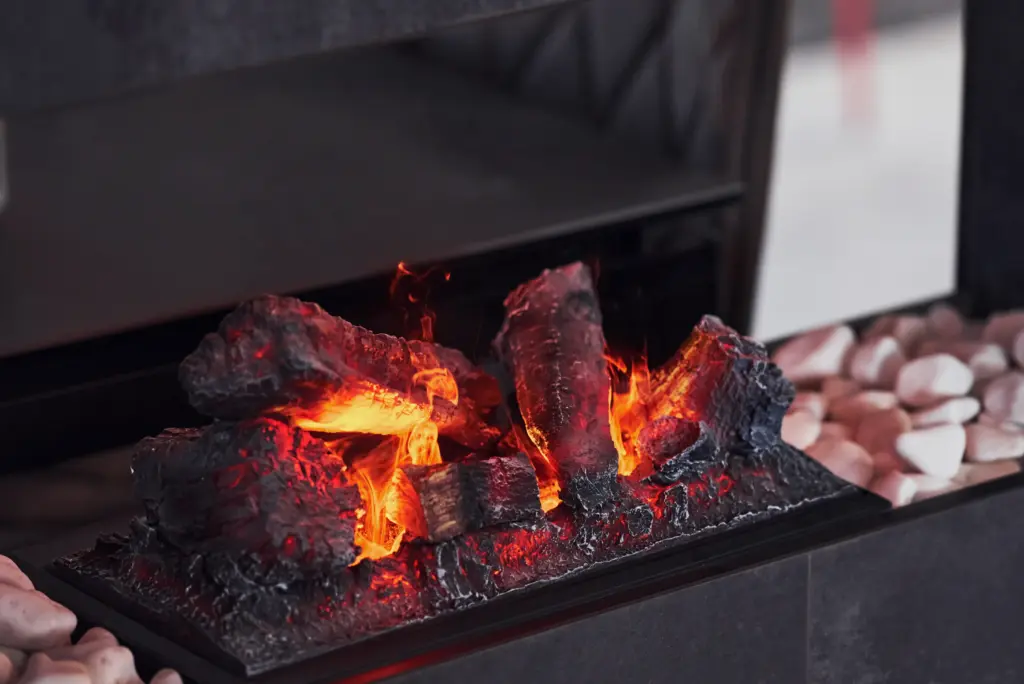
Electric fireplaces convert nearly all the electricity they use into heat, making them highly efficient at the point of use. Unlike traditional fireplaces, which lose a large portion of heat through the chimney, electric units deliver warmth directly into the room. Homeowners examining can an electric fireplace heat a house often value this efficiency because it allows them to enjoy comfortable warmth without wasting energy.
The U.S. Department of Energy explains that electric heating appliances can serve as effective supplemental heating sources when used strategically. By focusing heat in occupied spaces, homeowners may reduce the demand on central heating systems and potentially lower energy consumption.
Placement and Installation Considerations
The location of an electric fireplace within a room affects how well it distributes heat. Installing the unit along an interior wall often allows heat to circulate more evenly through the living area. When placed in a corner or recessed area, airflow may become slightly restricted, which reduces heating efficiency.
Homeowners thinking about can an electric fireplace heat a house should consider how airflow moves through their rooms. Open floor plans allow warm air to travel farther than rooms divided by multiple walls or hallways. Strategic placement ensures that the generated heat reaches as much of the living area as possible.

Combining Electric Fireplaces with Other Heating Systems
Although electric fireplaces rarely serve as the sole heating source for an entire home, they integrate well with existing systems. Many homeowners use them to supplement central heating during colder evenings or when specific rooms require extra warmth. When used in this way, the question can an electric fireplace heat a house becomes less about replacing the primary system and more about enhancing comfort within the home.
Supplemental heating helps reduce strain on furnaces or heat pumps by sharing the heating load. This approach can extend the lifespan of central heating equipment while providing flexible comfort throughout the home.
When an Electric Fireplace Works Best
Electric fireplaces perform best in smaller homes, apartments, or rooms where quick, reliable heat is needed. They also work well in homes where installing a chimney or gas line is not practical. Homeowners who understand can an electric fireplace heat a house often discover that the appliance works best as a targeted heating solution rather than a full home heating system.
In many cases, a combination of electric fireplaces placed in key areas can significantly improve comfort during colder weather. While they may not replace central heating entirely, they offer dependable warmth that enhances the overall living environment.
Conclusion
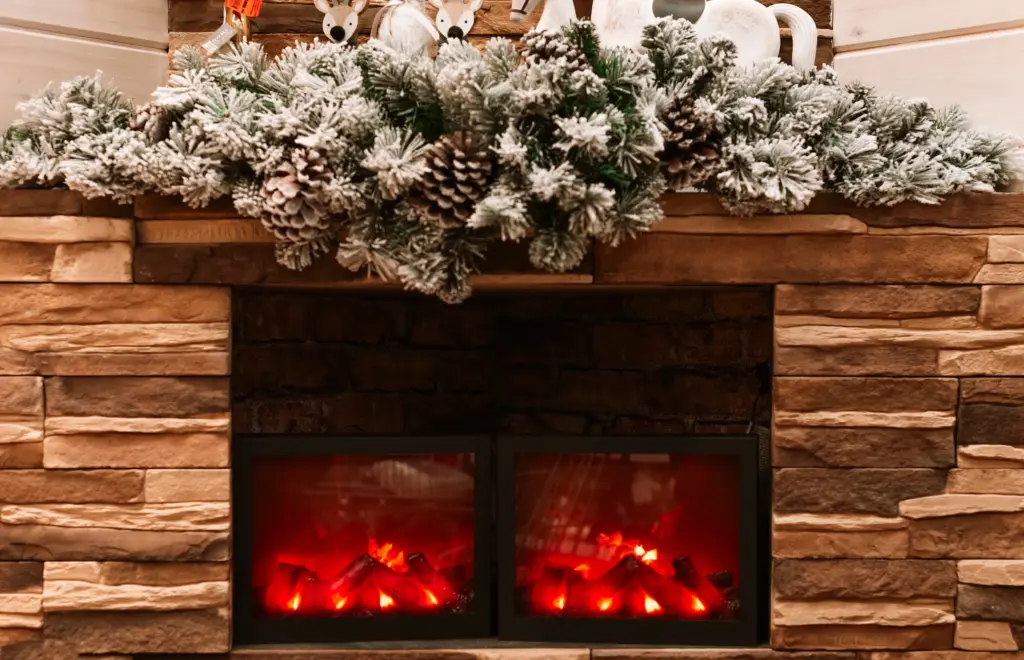
The question can an electric fireplace heat a house depends largely on expectations and home design. Electric fireplaces provide effective warmth for individual rooms and serve as excellent supplemental heating sources. They offer instant heat, energy efficiency, and enhanced safety without the maintenance requirements of traditional fireplaces.
If you are considering adding or upgrading a fireplace in your home, professional guidance ensures the best results. Visit our Fireplace Services page or contact us today. Green & Clean Home Services proudly helps homeowners across Northeast Ohio improve comfort, efficiency, and safety throughout their homes.