
Dryer vent length is one of the most overlooked factors in laundry room safety and performance. Many homeowners assume that as long as the dryer is vented outside, distance does not matter much. This often leads to problems when vents run too far, include too many turns, or are routed through areas that slow airflow. The question how far can dryer vent run usually comes up after clothes start taking longer to dry, the laundry room feels unusually warm, or lint buildup becomes noticeable. Understanding why vent length matters helps homeowners avoid fire risks, moisture problems, and unnecessary wear on their dryer.
Why Dryer Vent Length Has Limits
Every dryer pushes hot, moist air through a vent using an internal blower. That blower has limited power. The farther the air must travel, the harder the dryer has to work to move it. As vent length increases, airflow slows and lint begins to settle inside the duct. Moisture also lingers longer, which increases humidity inside the vent system.
When homeowners ask how far can dryer vent run, the real concern is whether the dryer can move air efficiently over that distance. Long vent runs increase resistance and make it easier for lint to collect. This combination reduces performance and increases fire risk over time.
Manufacturer Guidelines Set the Baseline
Dryer manufacturers provide maximum vent length guidelines for each model. These guidelines assume proper materials and minimal bends. While exact limits vary, many dryers allow a maximum straight run of around twenty five to thirty five feet under ideal conditions.
These numbers are not suggestions. They reflect how far the dryer can move air safely and effectively. When vent systems exceed manufacturer limits, performance drops and the risk of overheating increases. Understanding how far can dryer vent run starts with respecting these manufacturer recommendations.
Why Bends Reduce Allowed Vent Length
Every bend or turn in a dryer vent reduces airflow. Sharp turns slow the movement of air and create areas where lint settles. Because of this, manufacturers reduce the maximum allowable vent length for each elbow or bend in the system.
A vent with multiple turns may need to be much shorter than a straight run to perform safely. This is why two homes with the same distance to the exterior may have very different vent performance. The number of turns often matters more than total distance when evaluating how far can dryer vent run.
Vertical Runs Add Extra Resistance
Dryer vents that run upward add another layer of resistance. Gravity works against the movement of lint and moisture, increasing the chance that debris settles inside the duct. Vertical sections also tend to cool faster, which can lead to condensation.
This does not mean vertical venting is unsafe by default. It means vent length limits become even more important. Short, well designed vertical runs perform better than long horizontal systems with poor routing. Homeowners asking how far can dryer vent run should consider direction as well as distance.
Material Choice Impacts Maximum Distance
Vent material plays a major role in airflow efficiency. Smooth metal ducts allow air and lint to move freely. Flexible or ribbed ducts create friction that traps lint and slows airflow.
Long vent runs require rigid or semi rigid metal ducting to perform safely. Using flexible materials in long runs significantly reduces effective vent length. Many dryer vent problems traced to distance issues actually stem from poor material choice rather than distance alone.
Why Flexible Ducts Shorten Safe Vent Length
Flexible ducts sag over time, creating low points where lint and moisture collect. These pockets restrict airflow and increase fire risk. Even short runs perform poorly when flexible materials are used improperly.
Homeowners often ask how far can dryer vent run after replacing a dryer or rearranging a laundry room. In many cases, the issue is not distance but the use of flexible ducting that reduces airflow far more than expected.
Moisture and Condensation in Long Vent Runs
Dryers release a large amount of moisture with every load. In long vent systems, that moisture may not exit quickly. As warm air cools inside the duct, condensation forms. Moisture mixes with lint and creates sticky buildup that adheres to duct walls.
This buildup narrows the vent pathway and accelerates clogging. Over time, drying cycles become longer and the dryer works harder. Moisture issues often lead homeowners to reconsider how far can dryer vent run safely in their home.
Lint Accumulation and Fire Risk
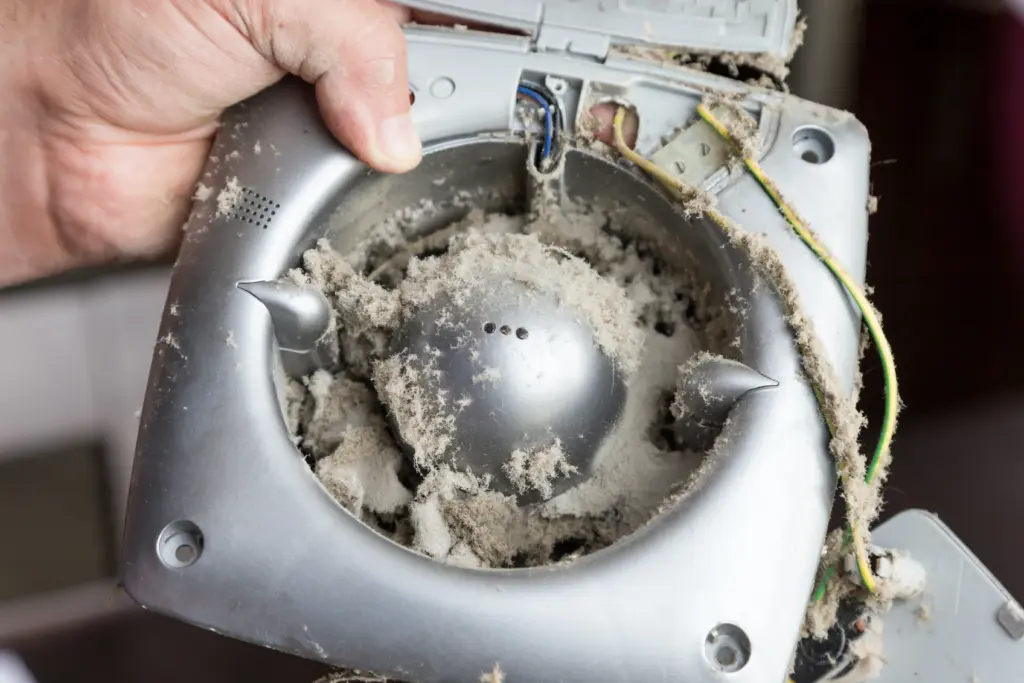
Lint is highly flammable. The U.S. Consumer Product Safety Commission reports that clogged dryer vents contribute to thousands of residential fires each year. Long vent runs increase the surface area where lint can collect.
As lint builds up, airflow decreases further, creating a cycle of increasing risk. This is why vent length limits exist. Understanding how far can dryer vent run helps homeowners reduce fire hazards before they develop.
Exterior Termination Still Affects Performance
Where the vent exits the home matters just as much as how far it runs. Blocked or restrictive vent hoods reduce airflow and worsen the effects of long vent runs. Screens and improper covers trap lint and should be avoided.
Exterior termination points must remain clear and accessible. A well designed vent run still fails if the exit becomes clogged. Many dryer vent issues blamed on distance are actually caused by blocked terminations.
Building Codes and Vent Length
Building codes often reference manufacturer guidelines when setting vent length limits. Codes also specify acceptable materials and installation methods. These rules exist to reduce fire risk and ensure proper dryer performance.
The U.S. Department of Energy emphasizes efficient venting as part of overall appliance safety. Following both code and manufacturer limits ensures dryer vents operate as intended.
Why DIY Modifications Cause Problems
Homeowners sometimes extend dryer vents to accommodate remodeling or appliance relocation. These changes often exceed safe length limits or introduce extra bends. Problems may not appear immediately, which makes the risk easy to overlook.
Professional evaluation ensures vent modifications maintain safe airflow. This is especially important when homeowners are unsure how far can dryer vent run after layout changes.
How Professional Dryer Vent Services Evaluate Length
Professional dryer vent services assess total vent length, number of bends, material condition, and airflow performance. This evaluation identifies restrictions that are not visible from the laundry room.
For homes with long vent runs, professionals recommend adjustments that improve safety without unnecessary changes. This approach answers how far can dryer vent run based on the actual system rather than general rules.
Maintenance Becomes More Important With Long Runs
Longer dryer vents require more frequent inspection and cleaning. Lint accumulation happens gradually and often goes unnoticed until performance drops. Regular maintenance removes buildup before it becomes hazardous.
Homes with extended vent systems benefit from scheduled cleaning to keep airflow strong. Preventive maintenance helps dryers operate efficiently and safely over time.
Warning Signs a Vent Run Is Too Long
Clothes taking longer to dry, excessive heat in the laundry area, burning smells, or damp clothing all signal vent problems. These symptoms often appear when vent length exceeds safe limits or airflow is restricted.
When these signs occur, homeowners often revisit the question how far can dryer vent run. In many cases, shortening or improving the vent system resolves the issue.
Final Thoughts on Dryer Vent Length
Dryer vent length directly affects safety, efficiency, and appliance lifespan. While dryers can vent a considerable distance under the right conditions, longer runs require careful design, proper materials, and regular maintenance. Understanding how far can dryer vent run helps homeowners avoid common problems and reduce fire risk.
If you are unsure whether your dryer vent run is within safe limits, professional evaluation provides clarity. Visit our Dryer Vent Cleaning page or contact us to schedule service. Green & Clean Home Services helps homeowners across Northeast Ohio maintain safe and efficient dryer vent systems.