
Many homeowners know chimney cleaning matters, but far fewer feel confident about how often it should actually be done. The question how often to clean a chimney usually comes up at the start of fall, after noticing smoke issues, or when a fireplace has not been used in a while. The answer is not the same for every home because chimney condition depends on how the fireplace is used, what fuel is burned, and how well the system vents. Understanding these factors helps homeowners avoid unnecessary service while still protecting safety.
Why Chimney Cleaning Frequency Is Not One Size Fits All
Chimneys behave differently based on usage patterns. A fireplace used only a few times each year accumulates residue much more slowly than one used several times a week. This difference explains why some homes require more frequent service than others. When homeowners search how often to clean a chimney, they often expect a single timeline, but real conditions matter far more than the calendar.
Professional chimney care focuses on buildup levels rather than fixed schedules. Two chimneys cleaned on the same date may look completely different a year later depending on use and fuel quality. This variability makes inspection an important part of determining cleaning frequency.
The Role of Creosote in Chimney Cleaning Schedules
Creosote forms when smoke cools and condenses inside the flue. Even small fires create some level of residue. Over time, creosote thickens and becomes harder to remove. Because creosote is flammable, buildup increases the risk of chimney fires.
How quickly creosote accumulates depends on how often fires are burned and what materials are used. Homeowners who burn unseasoned wood or rely heavily on their fireplace often see faster buildup. Understanding how often to clean a chimney includes understanding how creosote behaves under different conditions.
Wood Burning Fireplaces and Cleaning Frequency
Wood burning fireplaces typically require the most frequent cleaning. Burning wood produces smoke, soot, and creosote every time the fireplace is used. Even efficient fires leave behind residue that collects inside the flue.
For most homes that use a wood burning fireplace regularly, annual inspection and cleaning remain a common recommendation. Chimneys used heavily or throughout the winter may require attention sooner. Homeowners asking how often to clean a chimney with a wood burning system should consider both frequency of use and wood quality.
Gas Fireplaces Still Need Attention
Gas fireplaces burn cleaner than wood, but that does not eliminate the need for chimney care. Gas combustion produces moisture that travels up the flue. Over time, that moisture interacts with masonry and liners, contributing to deterioration.
Even when creosote is minimal, gas fireplaces still require inspection to ensure proper venting and draft. Homeowners who assume gas systems never need service often discover issues later. Understanding how often to clean a chimney for gas fireplaces includes recognizing the role of moisture and airflow rather than soot alone.
How Fireplace Use Patterns Affect Cleaning Needs
Occasional use fireplaces accumulate residue slowly, but they still require inspection. Long periods without use can allow moisture and debris to settle inside the flue. Birds, leaves, and nests sometimes block chimneys that sit unused.
Homes that use fireplaces as a primary heat source experience faster buildup. In these cases, cleaning frequency may increase beyond once per year. Homeowners who understand how often to clean a chimney adjust service schedules based on how their fireplace supports daily living.
Why Annual Inspection Matters Even Without Cleaning
Inspection plays a central role in chimney safety. Even when cleaning is not required every year, inspection helps identify early signs of problems. Cracks, liner damage, and blockages often develop quietly.
The Chimney Safety Institute of America recommends annual inspection for chimneys used by fireplaces and heating appliances. This inspection based approach helps determine whether cleaning is necessary based on actual conditions.
Signs a Chimney May Need Cleaning Sooner
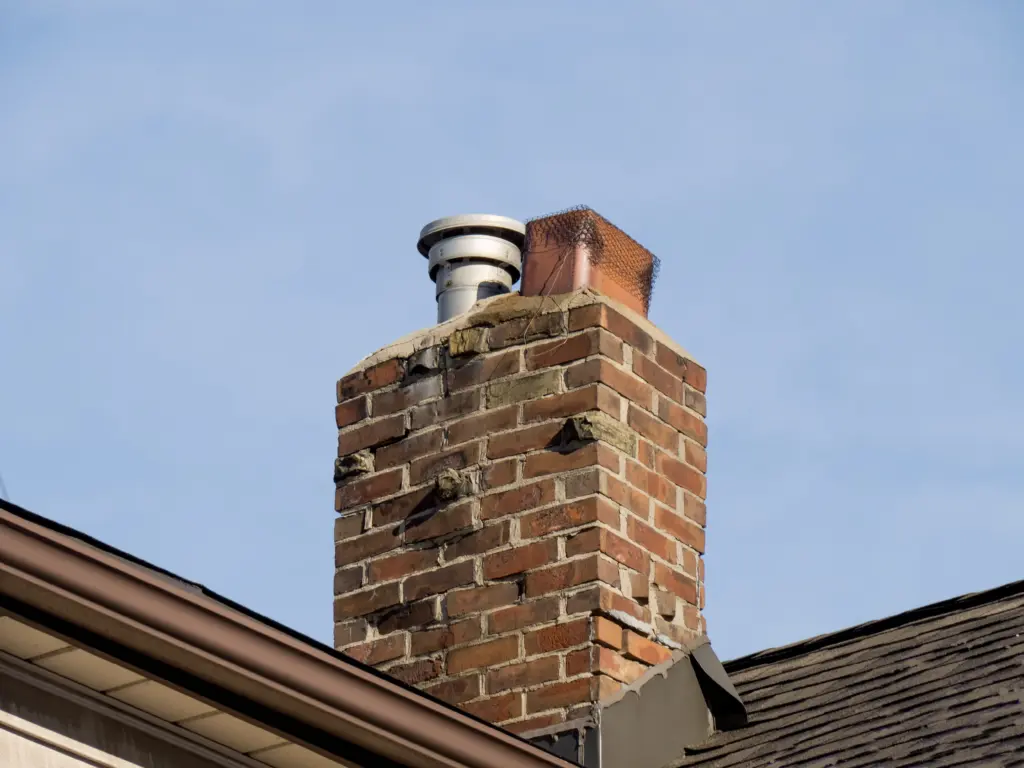
Certain signs suggest a chimney requires attention before the next scheduled service. Strong smoke odors, poor draft, visible soot falling into the firebox, or dark residue around the damper often indicate internal buildup.
Homeowners who notice these symptoms frequently search how often to clean a chimney because the issue feels sudden. In many cases, buildup has been developing gradually and only becomes noticeable once airflow is affected.
Moisture and Its Impact on Cleaning Frequency
Moisture accelerates chimney deterioration and affects how residue behaves. Rain, snow, and condensation interact with soot and creosote, causing buildup to harden. Chimneys without proper caps or liners often experience faster deterioration.
The Environmental Protection Agency highlights the importance of maintaining venting systems to protect indoor air quality. Moisture control and chimney cleaning work together to support safe operation.
Why Skipping Cleaning Can Increase Long Term Cost
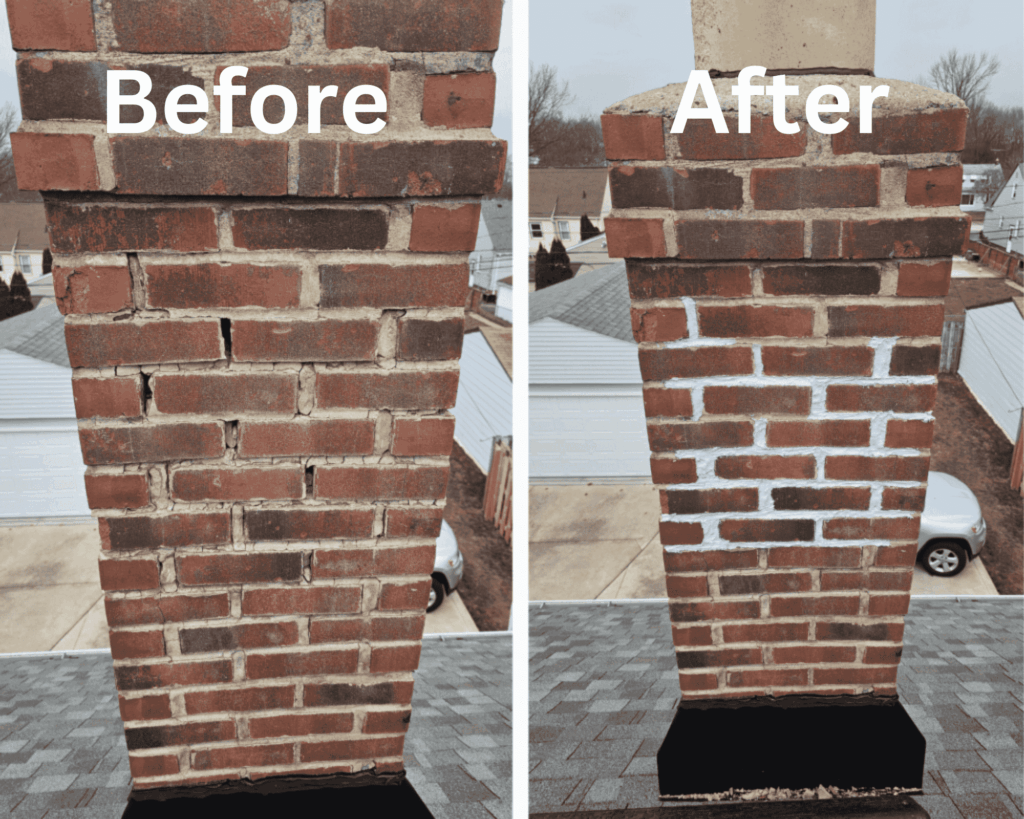
Delaying chimney cleaning allows creosote to thicken and harden. Removing heavy buildup requires more time and effort. Over time, neglected chimneys may require repairs due to liner damage or masonry deterioration.
Homeowners who understand how often to clean a chimney often view cleaning as preventive maintenance. Regular service reduces fire risk and helps avoid expensive repairs caused by long term neglect.
How Seasonal Use Influences Timing
Many homeowners schedule chimney cleaning before winter begins. This timing ensures the fireplace is ready for use and allows issues to be addressed before peak season. Cleaning after winter can also be effective, especially for fireplaces used heavily during cold months.
Seasonal scheduling depends on personal preference and usage patterns. The key is ensuring inspection and cleaning occur before heavy use resumes.
Professional Evaluation Provides Clarity
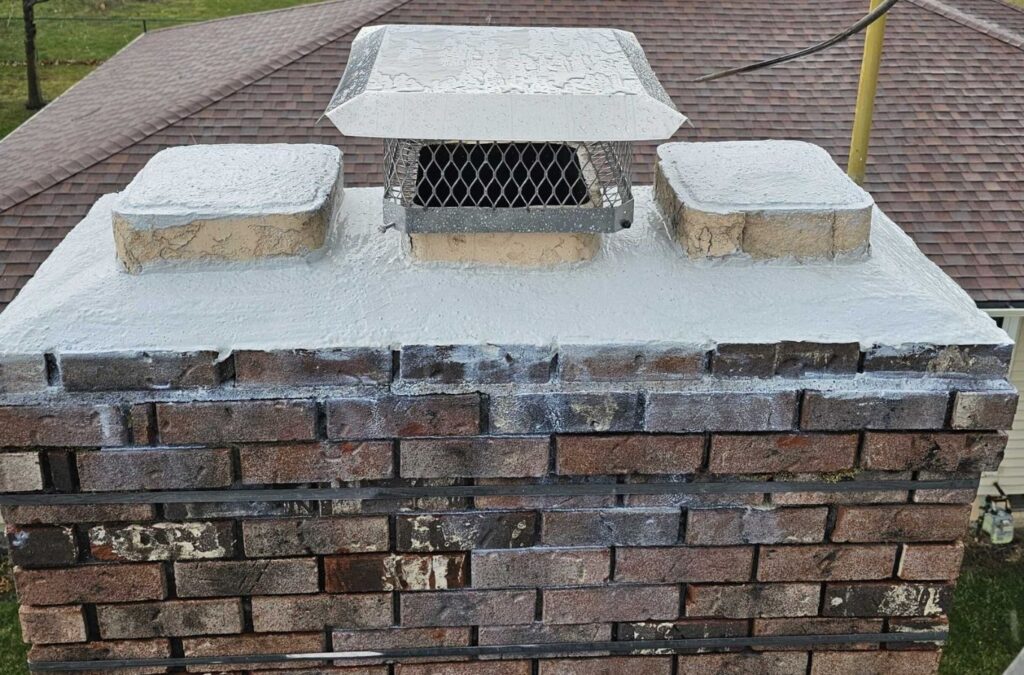
Professional chimney technicians evaluate buildup levels, liner condition, and draft performance. This evaluation removes guesswork from maintenance decisions. Rather than relying on time alone, homeowners receive guidance based on what is actually inside the chimney.
When homeowners ask how often to clean a chimney, professional evaluation provides the most reliable answer. Each chimney has its own maintenance needs based on real conditions.
Why Green & Clean Home Services Recommends Inspection First
At Green & Clean Home Services, chimney cleaning schedules are based on inspection findings rather than assumptions. Homeowners receive clear explanations about chimney condition and recommended service intervals.
This approach ensures safety without unnecessary cleaning. It also helps homeowners plan maintenance confidently without worrying about over or under servicing their chimney.
Final Thoughts on Chimney Cleaning Frequency
The answer to how often to clean a chimney depends on fireplace use, fuel type, moisture exposure, and chimney condition. While annual inspection remains a common guideline, cleaning frequency should reflect actual buildup rather than a fixed schedule.
If you are unsure whether your chimney needs cleaning or inspection, professional evaluation offers clarity. Visit our Chimney Services page or contact us to schedule service. Green & Clean Home Services helps homeowners across Northeast Ohio maintain safe, reliable chimneys year after year.