
Outdoor chimneys add visual appeal and function to patios, outdoor kitchens, and backyard living spaces, but many homeowners are unsure what building one actually involves. The question how to build outdoor chimney often comes up during renovation planning or when designing an outdoor fireplace. While the idea sounds straightforward, building an outdoor chimney is a structural and safety focused project that requires careful planning, proper materials, and professional execution. Understanding the process at a high level helps homeowners make informed decisions without taking on unnecessary risk.
What an Outdoor Chimney Is Designed to Do
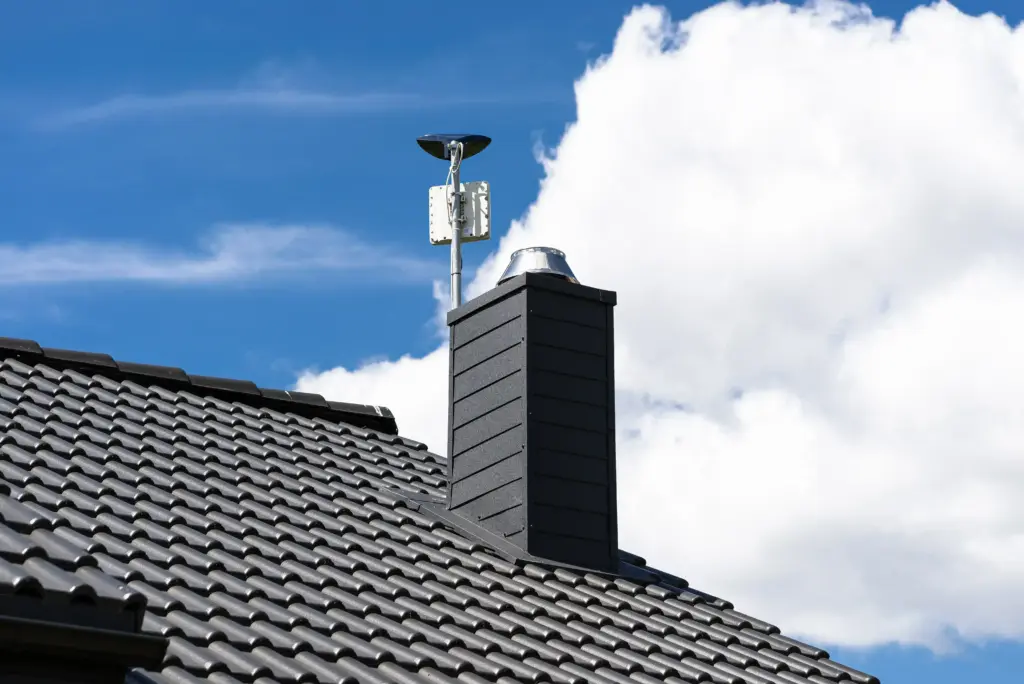
An outdoor chimney serves the same basic purpose as an indoor one. It safely directs smoke and combustion gases away from the fire and surrounding area. Unlike decorative features, a chimney must manage heat, airflow, and weather exposure all at once. Outdoor environments add complexity because wind patterns, moisture, and temperature changes affect how the chimney performs.
Homeowners researching how to build outdoor chimney often focus on appearance first. While design matters, performance and safety come first. A well built outdoor chimney ensures proper draft, prevents smoke from lingering near seating areas, and protects nearby structures from heat and sparks.
Why Outdoor Chimneys Require Structural Planning
Outdoor chimneys are heavy structures. Brick, stone, and masonry materials place significant load on the ground beneath them. For this reason, outdoor chimneys require a proper foundation designed to support the weight over time. Without adequate support, settling and cracking can occur.
Understanding how to build outdoor chimney begins with recognizing that this is not a surface level project. The foundation must account for soil conditions, frost depth, and drainage. These factors vary by location and affect long term stability.
Choosing Materials That Handle Heat and Weather
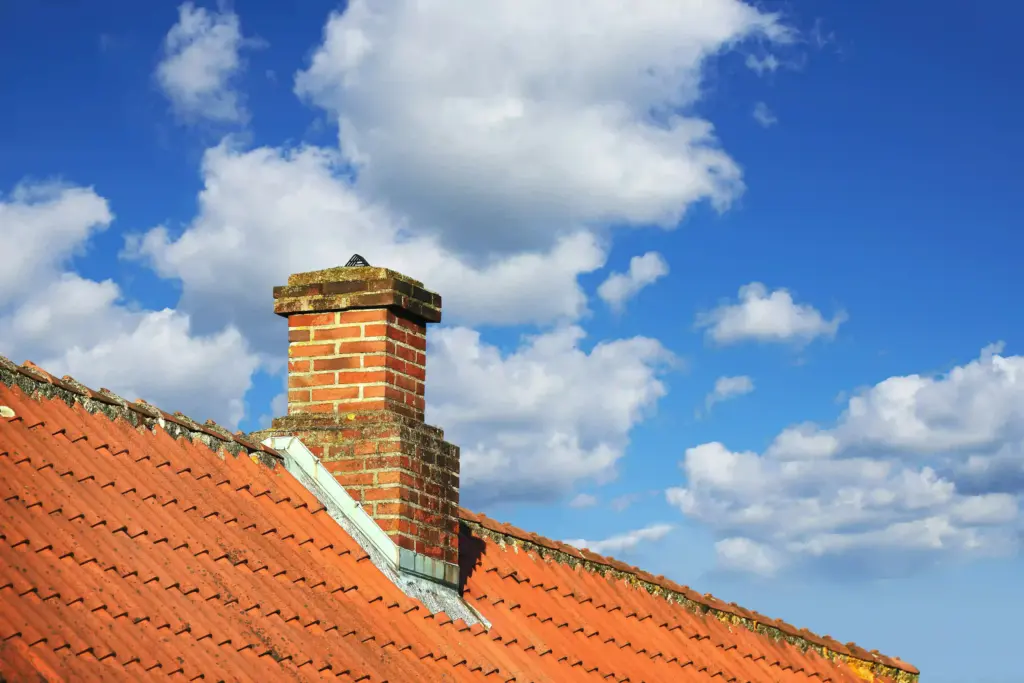
Outdoor chimneys must withstand both high heat and constant exposure to the elements. Materials that perform well indoors may not last outdoors without proper treatment. Brick, stone, concrete block, and fire rated masonry products are commonly used because they tolerate temperature extremes.
Mortar selection also matters. Outdoor conditions demand materials that resist moisture intrusion and freeze thaw cycles. Homeowners exploring how to build outdoor chimney often underestimate how quickly improper materials deteriorate when exposed to rain and snow.
Firebox and Flue Design Considerations
The firebox is where the fire burns, and its size and shape influence how the chimney drafts. Poorly designed fireboxes lead to smoke spilling forward instead of rising through the flue. Outdoor conditions make proper sizing even more important because wind can disrupt airflow.
The flue must be sized to match the firebox and chimney height. A flue that is too small restricts airflow. One that is too large allows smoke to cool too quickly. Understanding how to build outdoor chimney at a conceptual level includes knowing that these components work together as a system.
Height and Placement Affect Performance
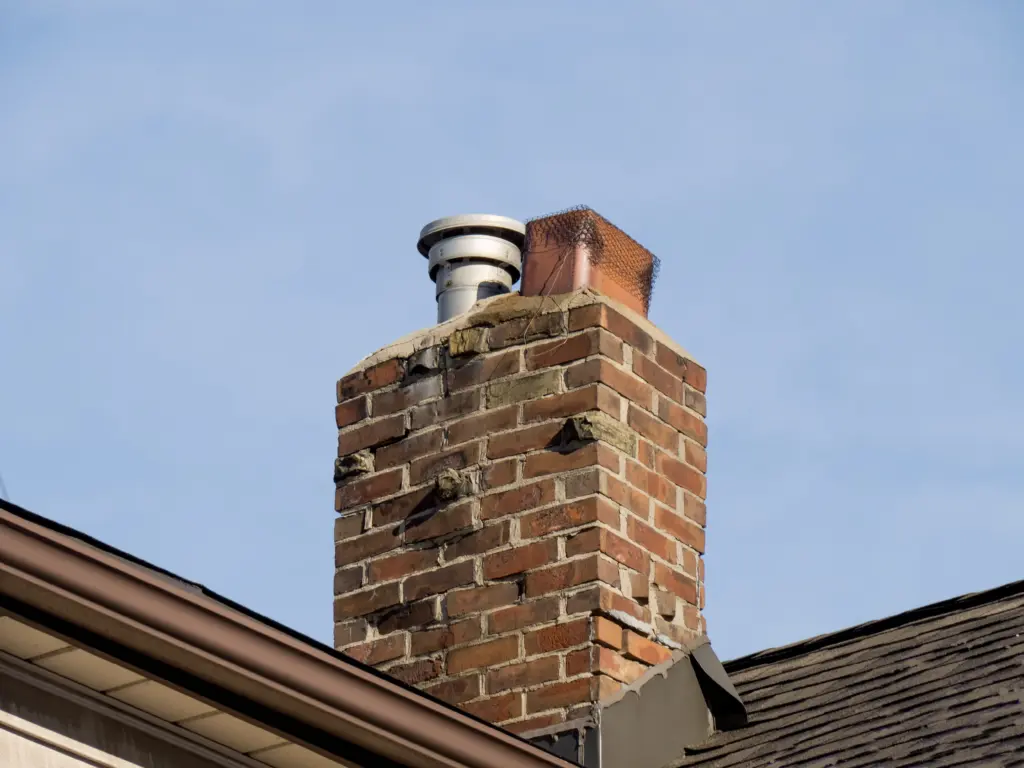
Chimney height plays a major role in draft. Taller chimneys generally create stronger upward airflow, but height must be balanced with structural stability. Outdoor chimneys also need to be positioned to avoid nearby rooflines, trees, and structures that disrupt airflow.
Placement affects how smoke behaves in outdoor seating areas. Poor placement can cause smoke to blow back toward people rather than rising safely upward. This is why professional planning matters when homeowners consider how to build outdoor chimney.
Why Venting Rules Still Apply Outdoors
Some homeowners assume outdoor fireplaces and chimneys face fewer rules because they are not inside the home. In reality, outdoor chimneys still must vent combustion gases safely. Improper venting can create smoke problems and increase fire risk.
The Chimney Safety Institute of America emphasizes that chimney principles apply regardless of location. Draft, clearance, and material selection remain critical for safe operation.
Weather Protection Is Not Optional
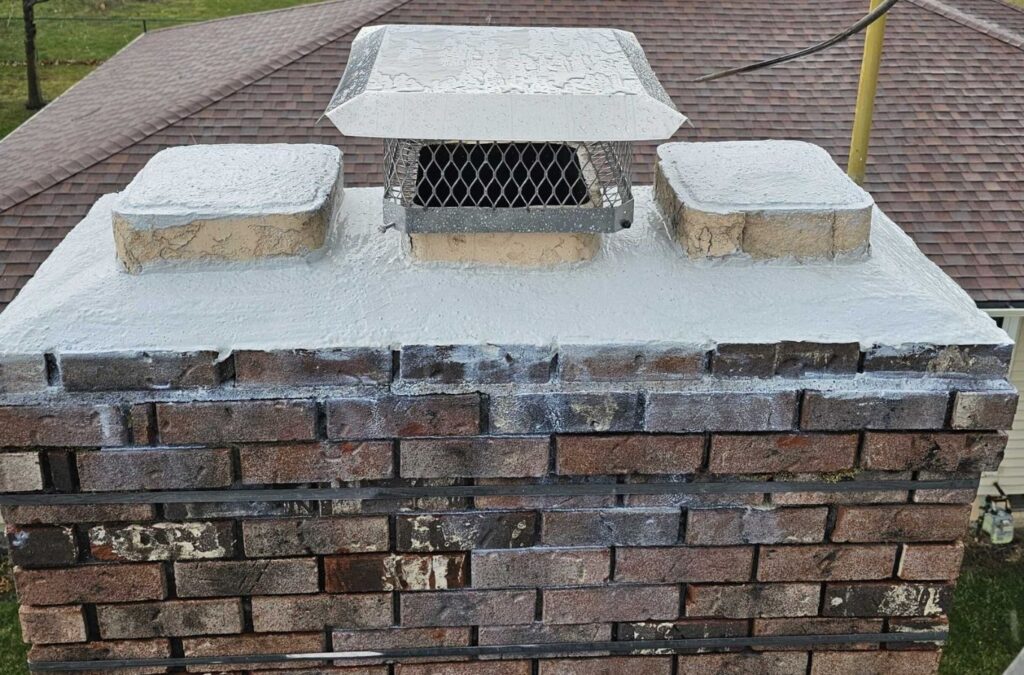
Outdoor chimneys face constant exposure to rain, snow, and temperature swings. Without proper caps, crowns, and flashing, moisture enters the structure and accelerates deterioration. Water absorption leads to cracking, spalling, and mortar damage.
Homeowners learning how to build outdoor chimney often overlook moisture control early on. Yet long term durability depends on keeping water out. Design features that shed water and protect masonry surfaces extend the life of the chimney.
Local Codes and Permits Matter
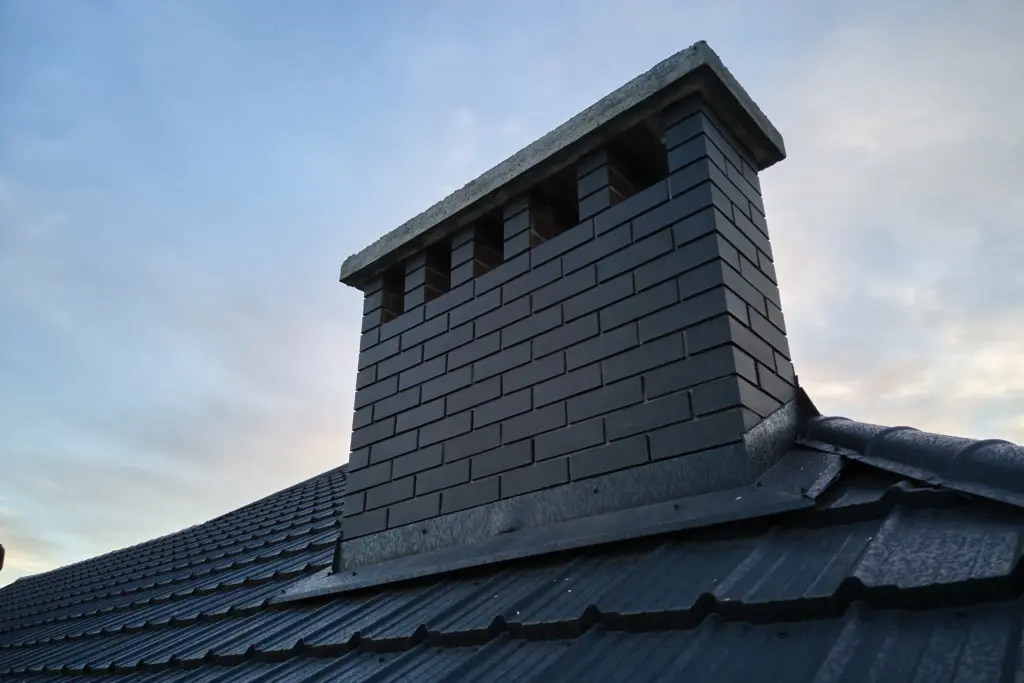
Outdoor chimneys must comply with local building codes, zoning regulations, and permit requirements. These rules address clearances, height, materials, and structural support. Codes vary by location, making professional guidance essential.
The Environmental Protection Agency highlights the importance of safe combustion practices, including proper venting and emissions control. Local regulations help ensure outdoor chimneys meet these standards.
Why Outdoor Chimneys Are Not DIY Projects
Building an outdoor chimney involves structural engineering, fire safety, and code compliance. Mistakes can lead to smoke problems, fire hazards, or costly repairs. Improper construction may also void insurance coverage if damage occurs.
Homeowners asking how to build outdoor chimney often benefit most from understanding what the project requires rather than attempting the work themselves. Professional builders and chimney specialists ensure the system functions safely and lasts for years.
Maintenance Considerations After Construction
Outdoor chimneys still require maintenance. Soot and creosote accumulate with use, especially in wood burning systems. Moisture exposure increases wear on masonry and mortar. Regular inspection and cleaning protect the investment.
Even outdoor chimneys benefit from professional evaluation to ensure draft remains effective and materials remain intact. Maintenance planning should be part of the design conversation from the beginning.
Designing for Long Term Use
An outdoor chimney should be designed with long term enjoyment in mind. Proper proportions, quality materials, and professional construction create a structure that performs well and enhances outdoor spaces.
Homeowners who understand how to build outdoor chimney from a planning perspective make better decisions about layout, placement, and maintenance. This approach reduces future issues and improves overall satisfaction.
Why Professional Guidance Makes Sense
Professional chimney and masonry experts understand how outdoor conditions affect performance and safety. They evaluate site conditions, recommend appropriate materials, and ensure code compliance.
This expertise protects homeowners from common pitfalls and ensures the outdoor chimney operates as intended. Professional involvement transforms a complex project into a safe and functional feature.
Final Thoughts on Building an Outdoor Chimney
Building an outdoor chimney involves far more than stacking brick or stone. It requires structural planning, proper materials, safe venting, and moisture protection. Understanding how to build outdoor chimney means recognizing when professional design and construction are necessary.
If you are planning an outdoor fireplace or chimney and want guidance on safety, maintenance, or long term care, visit our Chimney Services page or contact us. Green & Clean Home Services helps homeowners across Northeast Ohio make informed decisions about chimney safety and performance.