
Many homeowners look for ways to brighten their living spaces, and painting a brick fireplace white offers one of the most dramatic transformations available without rebuilding the structure. A fireplace naturally becomes the focal point of a room, so any change to its appearance has an immediate impact on the entire space. When people search for information on how to paint brick fireplace white, they often want to understand what preparation, cleaning, and application are involved before beginning the project. Brick is a unique material that behaves differently from drywall or wood because it absorbs moisture, holds soot, and requires special attention for paint to adhere properly. Learning how this process works helps homeowners achieve a clean, lasting finish that stays bright and beautiful through every season.
Why Brick Requires Special Preparation Before Painting
Brick fireplaces sit close to active heat, smoke, and soot, so the surface endures more wear and residue than other interior features. Over time, smoke absorbs into the pores of the brick, leaving behind discoloration and residue that must be cleaned before any paint will bond. Many homeowners begin researching how to paint brick fireplace white after noticing dark stains that regular cleaning cannot remove. Because brick is porous, residue settles deep within the surface, which makes thorough cleaning one of the most important steps in the entire process. Without proper preparation, new paint can flake, peel, or discolor as soot rises through the surface.
Cleaning must remove ash, soot, dust, and any film left behind by past fires. Warm water and safe cleaning solutions break down these materials, allowing the brick to return to a fresh, clean state. The Environmental Protection Agency (EPA) highlights the importance of good indoor air practices during cleaning projects, especially when working near heating appliances. Proper ventilation reduces lingering odors and keeps airborne particles from spreading through the home. Once the brick is clean and dry, the surface becomes ready for priming and painting.
How Primer Helps Brighten and Protect Brick Surfaces
Primer plays a vital role in ensuring a bright, even finish. When homeowners explore how to paint brick fireplace white, they quickly learn that primer is not optional because brick absorbs paint quickly and unevenly without it. Primer seals the pores, blocks old stains, and creates a uniform surface that allows white paint to appear crisp instead of patchy. It also extends the life of the finished surface by preventing soot or dark residue from bleeding through over time. A quality primer designed specifically for masonry can withstand the temperature fluctuations commonly experienced around fireplaces.
Applying primer evenly ensures that the final color coat adheres smoothly. Because brick has rough texture and recessed mortar joints, the primer must reach every surface to create a consistent foundation. Once it dries completely, the brick takes on a smoother appearance that is ready to accept paint. This preparation leads to brighter, longer lasting results and protects the brick from absorbing moisture or smoke residue in the future.
Choosing the Right Paint for a Fireplace
Not all paints are suitable for surfaces exposed to heat. Homeowners who wonder how to paint brick fireplace white must choose products that tolerate temperature shifts without cracking or peeling. Paint designed for masonry or heat-adjacent surfaces performs best because it resists discoloration from mild heat exposure. While the surface of a properly working fireplace does not reach extreme temperatures, it still needs paint that can withstand seasonal heating cycles and maintain a clean appearance.
Brightness, sheen, and coverage also matter. A flat or matte finish creates a soft and modern look, while a satin finish adds gentle sheen without the high gloss that highlights imperfections. The chosen paint should provide thick coverage to mask any lingering discoloration after priming. When applied correctly, the final result dramatically changes the look of the room by adding light and creating a fresh, updated appearance.
Why Surface Texture Plays a Role in the Final Look
Brick texture affects both application and appearance. Smooth brick takes paint more evenly, creating a cleaner, more contemporary look. Textured or heavily pitted brick absorbs more paint and may require multiple coats for full coverage. This is why homeowners exploring how to paint brick fireplace white often realize that each fireplace requires its own approach. The size and shape of mortar joints, the age of the brick, and the overall texture influence both drying time and the number of coats needed.
Once painted, the texture also determines how the fireplace interacts with the room’s lighting. A slightly rough surface creates dimension as shadows and highlights form across the brick. A smoother surface reflects more light and gives the fireplace a crisp, modern feel. Understanding these differences helps homeowners achieve the exact look they want before the project begins.
The Importance of Complete Coverage for a Seamless Finish
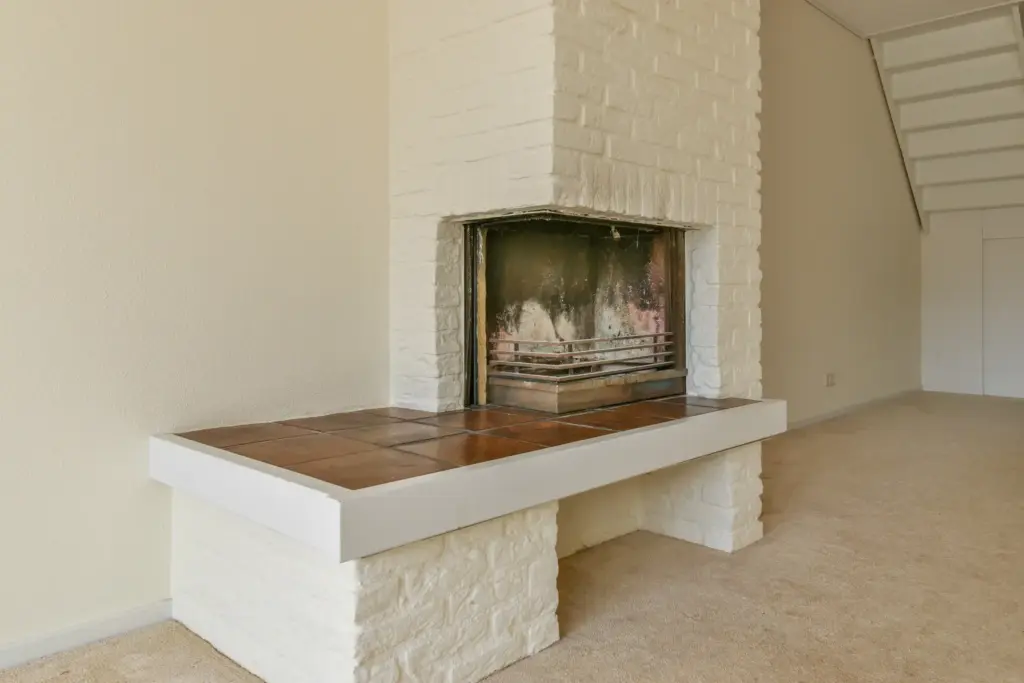
One challenge when learning how to paint brick fireplace white is achieving complete coverage over deeply recessed mortar joints. Paint must reach into every corner to create a finished look that feels intentional rather than patchy. When even small areas remain unpainted, the darker surface beneath becomes noticeable, breaking the visual flow of the fireplace. Ensuring full coverage takes time and patience, especially with older fireplaces that have uneven mortar or deep grooves.
Multiple coats may be necessary for a true white finish. Brick that has absorbed years of smoke may require extra layers to cover discoloration fully. Allowing each coat to dry before applying another creates a stronger bond and more professional appearance. The final result is worth the effort because it transforms the entire living space with a bright, clean foundation that complements both traditional and modern interiors.
How White Paint Transforms a Fireplace and Surrounding Space
Painting a brick fireplace white changes the atmosphere of a room by reflecting more light and reducing visual weight. Dark brick absorbs light and can make a room feel smaller, while white surfaces create a more open environment. Homeowners exploring how to paint brick fireplace white often choose this project because it modernizes a room without removing the charm of the fireplace itself. The new color provides a neutral backdrop that pairs well with any interior style, from rustic to contemporary.
Beyond aesthetics, the updated surface also makes the fireplace easier to maintain. White paint highlights dust and residue quickly, allowing homeowners to spot and clean problem areas before buildup becomes noticeable. This helps maintain a fresh appearance year after year. Because the fireplace becomes a visual centerpiece, the clean white surface encourages homeowners to keep the entire hearth area tidy, enhancing the overall look of the living space.
Preparing the Room for a Safe and Clean Project
Painting a fireplace requires careful preparation of the surrounding space. Soot and dust tend to shake loose during cleaning and priming, so the area must be properly ventilated and protected. The Energy.gov website highlights how good ventilation improves indoor air quality during home improvement projects. Adequate airflow ensures that fumes escape and that the paint cures properly. Protecting floors and nearby furniture keeps the room clean while providing a safe environment for painting.
Brick fireplaces vary widely in size and design, so the amount of preparation required depends on the specific structure. Larger fireplaces extend farther into the room and may need more protection around the hearth, while smaller fireplaces require added care to avoid spreading soot. Proper preparation ensures steady progress and lasting results.
How Professional Techniques Improve Results
Many homeowners choose professional help not only for convenience but also for precision. Specialists trained in fireplace maintenance understand how to prepare soot-covered brick, apply the right products, and achieve flawless coverage. They also know how to preserve the integrity of the brick by using breathable coatings that do not trap moisture. When learning how to paint brick fireplace white, homeowners often discover that professional results last longer and maintain brighter color over time.
At Green & Clean Home Services, our technicians bring experience and careful technique to every fireplace project across Lake, Cuyahoga, Geauga, Summit, Portage Counties. We clean, prepare, and transform brick fireplaces so the new finish remains strong and vibrant. Our work ensures that the refreshed fireplace adds beauty, brightness, and charm to any home.
Conclusion: A Simple Project with a Powerful Impact
Understanding how to paint brick fireplace white helps homeowners create a lasting and impressive transformation. Clean preparation, proper priming, and careful application bring out the natural character of the brick while giving the room a fresh new look. The updated fireplace becomes a centerpiece that enhances both comfort and style throughout the year. With the right products and steady technique, the finished result adds value and beauty that lasts well into the future.
If you want to transform your fireplace with a clean modern look, visit our Fireplace Services page or contact us to schedule a professional consultation. Green & Clean Home Services can help you achieve a bright, durable finish that elevates your entire living space.