
A brick chimney stands as one of the most durable and dependable parts of a home, yet time, weather, and constant heating cycles eventually take their toll. Cracks, loose mortar, damaged crowns, and worn-out liners can appear slowly and begin affecting both appearance and performance. Many homeowners begin searching for information on how to repair brick chimney damage when they notice crumbling joints, water stains, or pieces of brick collecting around the base. Repairing a chimney is more involved than most structures around the home because it must safely contain heat, gases, and moisture while standing exposed to the weather every day of the year. Understanding the process helps homeowners recognize when professional attention is needed to keep their chimney functioning and looking its best.
Understanding the Condition of an Aging Chimney
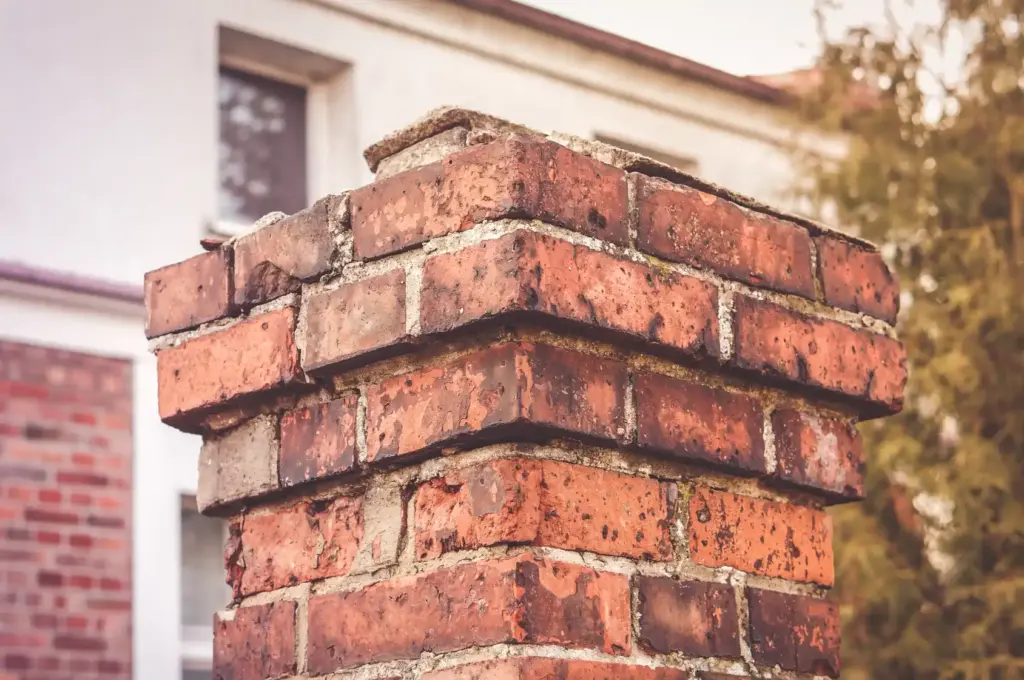
Brick chimneys tolerate every season without shelter, which means wind, rain, freezing temperatures, and summer heat all influence their condition. Over time, the mortar holding the bricks together begins to dry out and crack. This process is known as mortar deterioration, and it is one of the most common reasons homeowners ask how to repair brick chimney structures safely. The surface breaks down as moisture enters the joints and expands during freeze and thaw cycles. When this happens repeatedly over years, the joints weaken, allowing more water to enter. The chimney may also shift slightly due to settling, creating hairline cracks that spread if ignored. Understanding these early signs helps prevent larger problems that could lead to leaks or structural instability.
Another common issue involves spalling bricks. Spalling occurs when the outer layer of a brick separates or flakes off, usually caused by moisture trapped inside the material. As the moisture freezes and expands, the brick surface breaks apart. These weakened bricks lose strength, and the surrounding mortar cannot hold them in place indefinitely. Spotting spalling early allows for timely repair before the damage spreads to multiple layers. Even small imperfections deserve attention because a brick chimney relies on every component working together to maintain strength and safety.
The Role of Mortar in Chimney Repair
Mortar serves as the structural glue that holds the chimney together, but it degrades faster than brick. The repair method known as repointing restores strength by removing old mortar and replacing it with fresh material. Repointing seems simple, yet proper technique requires careful attention to color, strength, and texture to match the original construction. Homeowners curious about how to repair brick chimney joints learn that repointing demands precision to maintain both appearance and stability. Mortar must be removed to the correct depth and replaced without damaging surrounding bricks. The new mixture must cure properly to create an effective bond capable of resisting harsh weather conditions.
Repointing not only strengthens the chimney but also seals gaps that allow water to penetrate the structure. Moisture is the single greatest threat to masonry, which makes a sound mortar system essential. Once the joints are repaired, the chimney becomes more resistant to cracking and shifting. This step is central to nearly every chimney restoration because it reinforces the foundation of the entire structure. When performed by trained professionals, repointing restores function without altering the appearance of the original design.
Repairing Spalling and Cracked Bricks
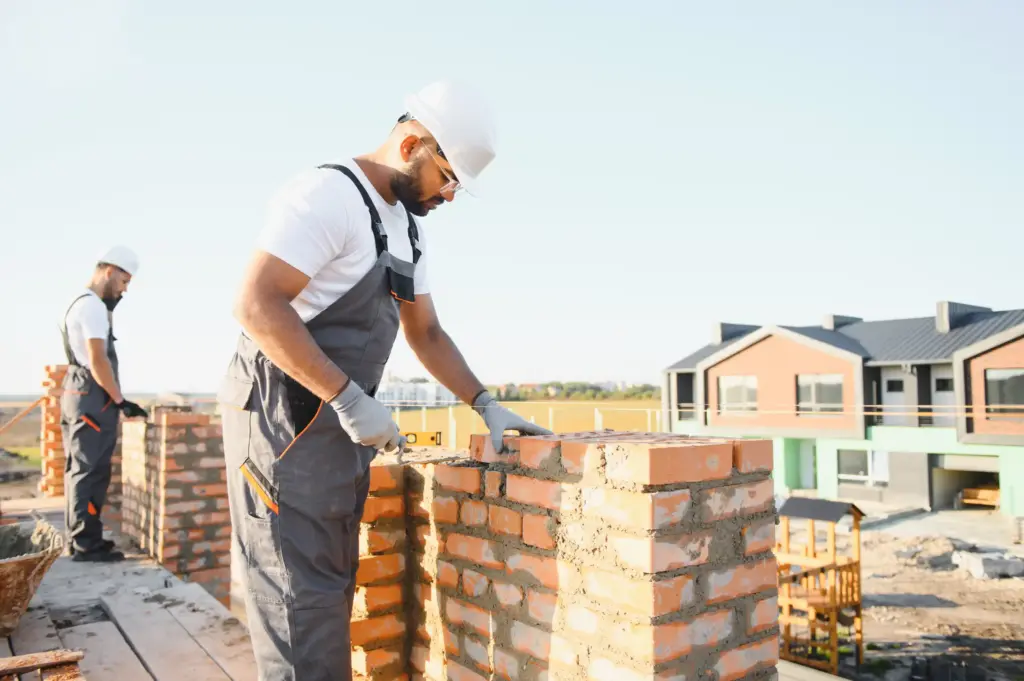
When bricks show signs of spalling or cracking, replacement becomes necessary to maintain structural integrity. Individual bricks can be removed and replaced without rebuilding the entire chimney, but the process must be handled carefully to avoid affecting surrounding masonry. A replacement brick must match in size, color, and density to preserve both appearance and stability. Homeowners looking for information on how to repair brick chimney damage often discover that replacing damaged bricks prevents more extensive repair down the line. Once a brick becomes compromised, water infiltration increases and surrounding materials weaken. Timely replacement protects the chimney from deeper deterioration.
Cracking can develop for reasons beyond moisture. Thermal expansion from repeated heating and cooling cycles can stress brick walls. As warm air rises through the chimney, it heats the masonry before cooling rapidly once the fire is extinguished. This cycle creates internal pressure that may cause cracks. Replacing affected bricks restores stability and prevents heat from escaping into nearby materials where it could pose a safety risk. Proper brick repair ensures the chimney continues to channel heat upward efficiently and safely.
Importance of a Solid Chimney Crown
The chimney crown plays a crucial role in protecting the structure from rain and snow. A cracked or deteriorated crown allows water to seep into the masonry below, accelerating damage. Crowns built from standard mortar instead of specialty concrete deteriorate faster because they are not designed to withstand constant exposure. Homeowners researching how to repair brick chimney damage often discover that crown repair or replacement is necessary to stop water from seeping into the system. A properly constructed crown slopes gently outward to direct rain away from the chimney sides, preventing moisture penetration and extending the lifespan of the bricks and mortar beneath it.
Repairing a chimney crown requires removing compromised sections and installing a new layer of weather-resistant material that bonds securely to the brick. The surface must remain smooth and water resistant throughout the year. When a crown fails, water damage spreads quickly through the upper chimney layers. Addressing this issue early eliminates the risk of repeated freeze and thaw damage, which can affect both structure and safety. A strong crown preserves the integrity of all masonry below it.
Dealing with Chimney Leaks and Moisture Intrusion
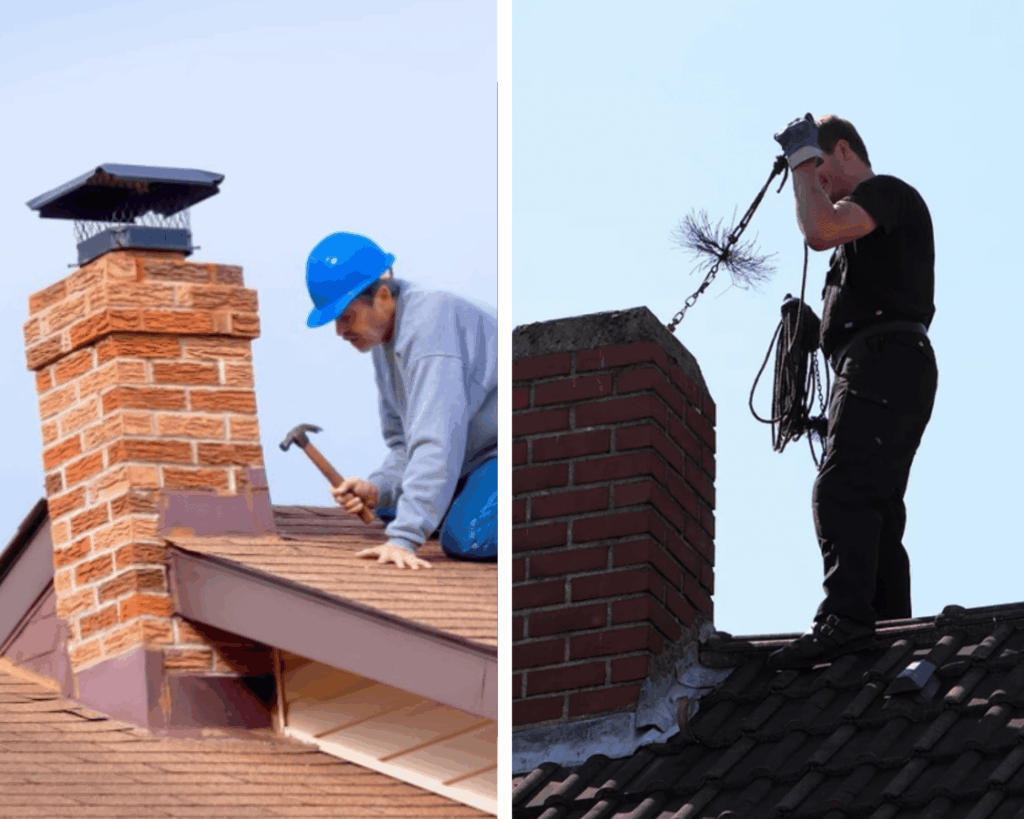
Water inside a chimney causes more damage than most homeowners realize. Even small leaks can lead to stained walls, mold, rotted wood, and unpleasant odors. Moisture usually enters through worn mortar, cracked bricks, damaged flashing, or a failing crown. Repairing these areas ensures the chimney remains dry and safe. Understanding how to repair brick chimney moisture problems involves identifying the source of the water before making any repairs. Masonry absorbs moisture readily, so sealing visible cracks alone does not provide lasting protection. Addressing flashing, replacing damaged bricks, and installing a new crown prevents future leaks and stops water from reaching interior components.
Moisture problems can also arise from poor ventilation. When warm, moist air inside the chimney cools too rapidly, condensation forms. Over time, this condensation interacts with creosote and soot to create acidic compounds. These compounds eat away at mortar and brick surfaces, accelerating deterioration. Improving airflow through proper inspection and maintenance eliminates the conditions that cause condensation. A dry chimney functions more efficiently and remains structurally sound.
How Chimney Liners Influence Repairs
Chimney liners serve as the protective barrier between combustion gases and masonry walls. A damaged liner can allow heat and smoke to escape into surrounding materials, increasing the risk of fire or structural damage. When homeowners explore how to repair brick chimney systems, they often learn that liner inspection is a vital part of the process. Clay tile liners may crack or separate with age, while metal liners can corrode if exposed to moisture. Repairing or replacing the liner restores safe airflow and prevents gases from entering the home.
A new stainless steel liner often becomes part of chimney restoration because it provides lasting protection against heat and moisture. It also improves draft, allowing fireplaces or stoves to operate more efficiently. Ensuring that the liner and masonry work together helps extend the life of the entire chimney and improves overall safety. Once this component is restored, other repairs become more effective because the chimney can properly vent heat and smoke.
Maintenance Practices That Preserve Brick Chimneys
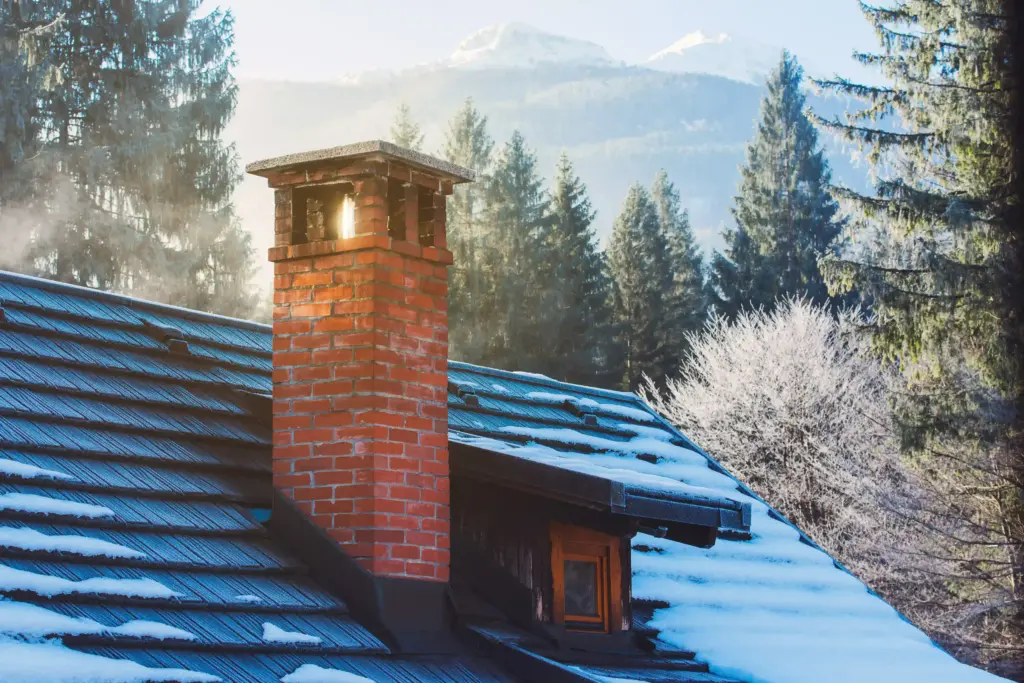
While repairs restore strength and function, consistent maintenance prevents future problems. Cleaning soot and creosote from the flue each year reduces the risk of chimney fires and keeps smoke moving upward naturally. The Energy.gov website highlights how regular upkeep improves efficiency and lowers the risk of deterioration. Sealing the exterior masonry with breathable waterproof coatings protects against moisture without trapping water inside the bricks. A high-quality chimney cap keeps debris, animals, and rain out of the system, providing long-term protection with minimal maintenance.
Homeowners who stay ahead of these issues rarely face major chimney repairs. Preventive care saves time, reduces cost, and extends the life of both the chimney and the fireplace. Regular professional inspections identify early signs of damage and ensure repairs are made before problems grow.
Why Professional Repair Brings Lasting Results
Repairing a brick chimney requires a combination of masonry expertise and knowledge of heating systems. Professionals understand how to match mortar types, replace damaged bricks, rebuild crowns, and assess liner conditions. These skills ensure that each repair strengthens the chimney and supports proper function. Homeowners seeking guidance on how to repair brick chimney damage often find that professional service delivers safer and longer lasting results than attempting repairs alone.
At Green & Clean Home Services, our technicians restore chimneys across Lake, Cuyahoga, Geauga, Summit, and Portage Counties with care and precision. We evaluate the full structure, from the firebox to the cap, and recommend solutions that improve both safety and performance. Our work keeps homes warm, dry, and secure by addressing each concern with the attention it deserves.
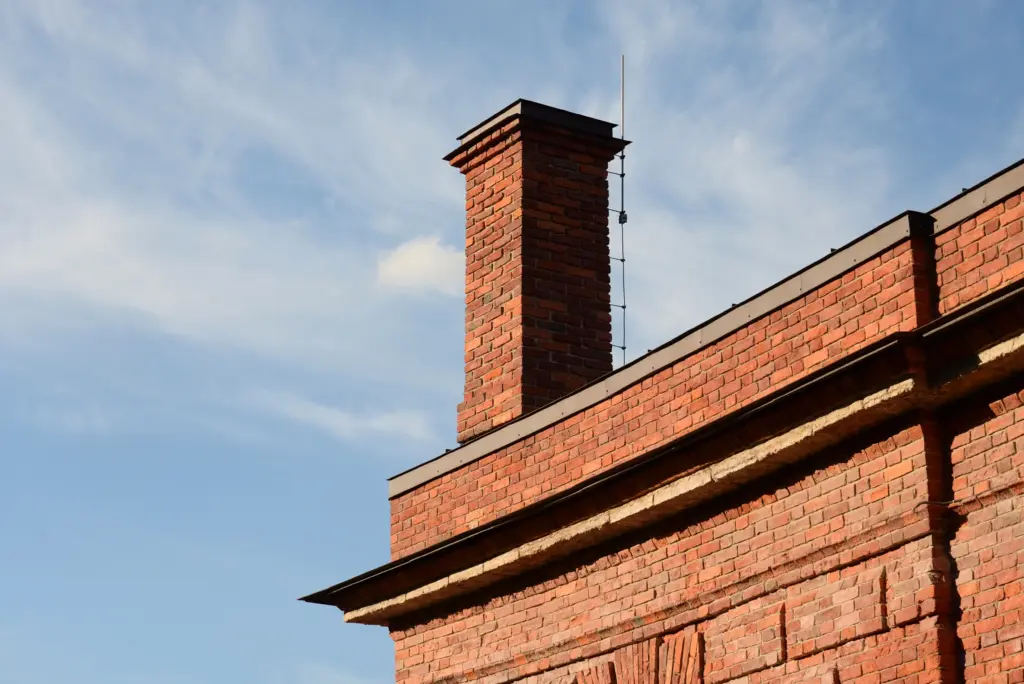
Conclusion: Protecting the Heart of Your Home
Homeowners often consider how to repair brick chimney problems when they notice visible damage or declining performance. A well maintained chimney protects the home from heat, moisture, and smoke while providing warmth and comfort. Repairing cracks, replacing spalled bricks, rebuilding crowns, and restoring liners ensures the system remains dependable. With proper maintenance and timely repairs, a brick chimney can last for generations and continue serving as a reliable centerpiece of home comfort.
If your chimney shows signs of wear or moisture intrusion, schedule a professional evaluation. Visit our Chimney Services page or contact us today. Green & Clean Home Services will help restore safety, efficiency, and long lasting durability to your brick chimney.