
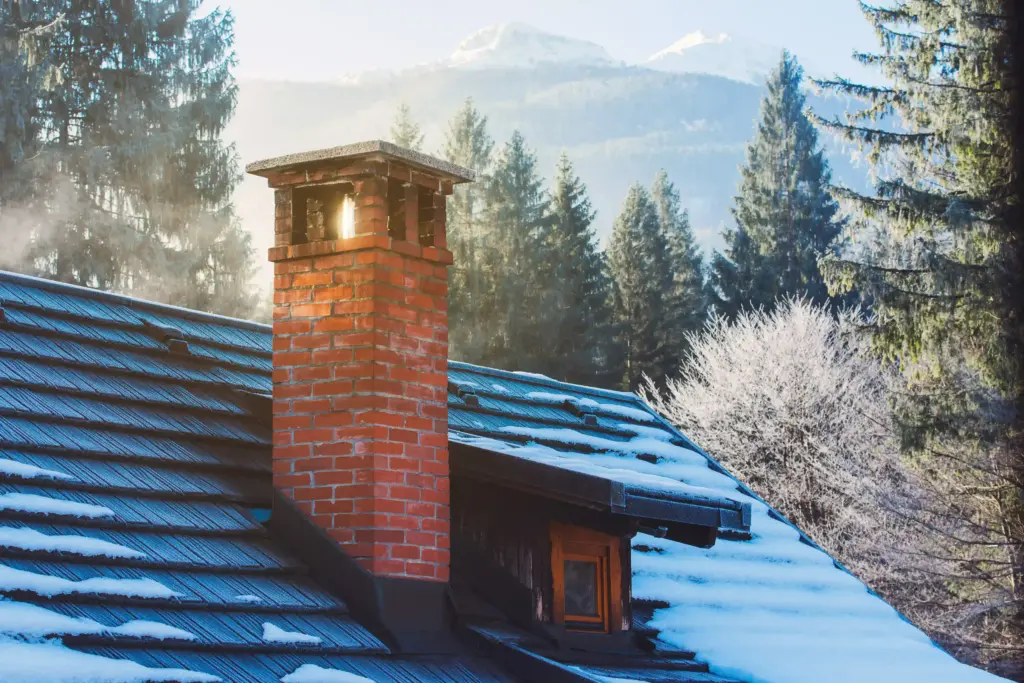
A brick chimney withstands some of the harshest conditions around a home. Rain, snow, wind, and constant temperature changes place stress on the masonry year after year. Over time, the bricks and mortar begin absorbing more moisture than they should, and that moisture leads to cracking, staining, and structural weakening if not addressed early. This is why homeowners often search for guidance on how to seal brick chimney surfaces to protect the structure from long term damage. Chimney sealing is not just about improving appearance. It plays a vital role in preserving the strength of the masonry, preventing water intrusion, and keeping the entire chimney system functioning safely.
Why Moisture Protection Matters for Brick Chimneys
Brick is a porous material, which means it absorbs water naturally. Mortar behaves the same way. When moisture seeps into the chimney and freezes, it expands and causes small cracks to widen. These cracks deepen over time and allow even more water to enter, creating a cycle of damage that accelerates with each season. Homeowners interested in learning how to seal brick chimney walls soon discover that moisture is the primary cause of chimney deterioration. Protecting the chimney from water helps maintain its structural integrity and reduces the risk of costly repairs.
Moisture inside a chimney also interacts with the byproducts of combustion. When soot and creosote come into contact with water, they form acidic compounds that erode the mortar and brick surfaces. This breakdown weakens the chimney from the inside and affects its ability to vent properly. Preventing water from entering the masonry stops this chemical reaction and ensures the chimney continues venting smoke and gases safely.
The Science Behind Masonry Sealants
Modern masonry sealants work differently from older coatings that simply covered the surface. High quality sealants today penetrate the brick, filling microscopic pores and creating a barrier that repels water while still allowing moisture vapor to escape. This breathability matters because trapped moisture causes as much damage as water intrusion. Homeowners researching how to seal brick chimney walls learn that choosing the right type of sealant ensures long lasting protection without suffocating the masonry. A breathable product prevents peeling, cracking, or discoloration that can occur when moisture becomes trapped behind non breathable coatings.
Bricks expand and contract with changing temperatures, and a flexible sealant moves with the structure instead of cracking. This ability to adapt to weather conditions helps protect the chimney year round. When applied correctly, modern sealants offer protection that can last many years, keeping water out and preserving the strength and appearance of the entire chimney.
Preparing the Chimney Before Sealing
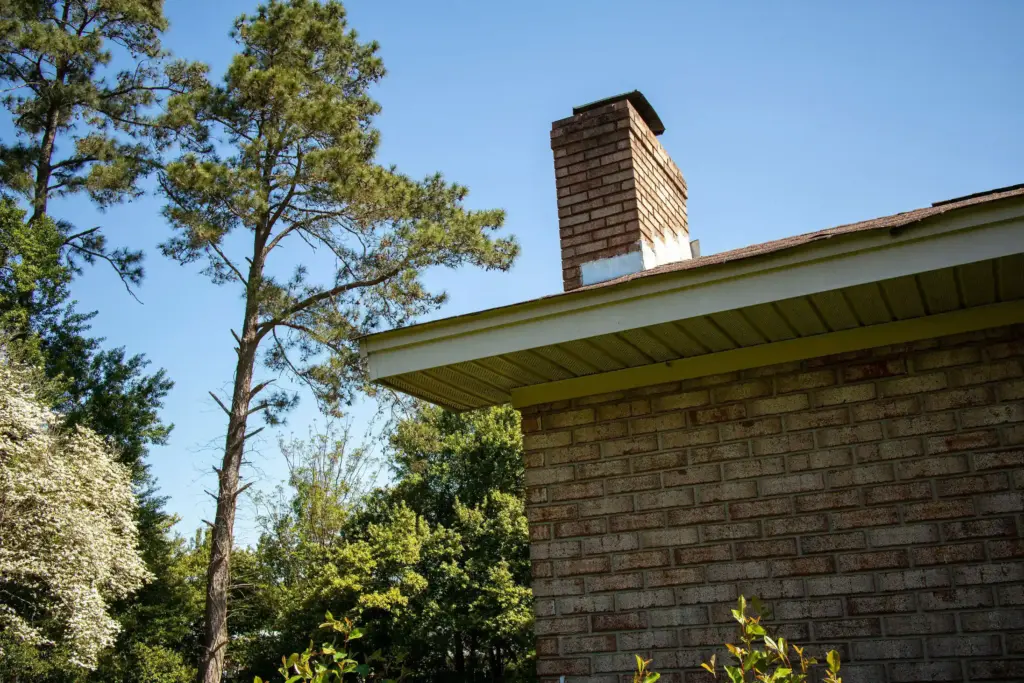
A clean surface is essential for a long lasting seal. Dust, soot, moss, and loose mortar prevent the sealant from bonding properly. This is why preparation becomes one of the most important steps when learning how to seal brick chimney walls. Cleaning must remove all contaminants that sit on the surface or hide in small crevices. Without this step, the sealant cannot penetrate the brick evenly, and unsealed areas remain vulnerable to moisture. Preparation also includes inspecting the chimney for cracks, missing mortar, or damaged bricks that require repair before sealing can begin.
Removing old paint or coatings is part of the process when they are present. These materials block the sealant from entering the brick and create an uneven surface. Once all damage is addressed and the chimney is fully clean, the masonry becomes ready for the sealant to bond properly. This preparation sets the foundation for a durable, protective finish.
How Proper Application Creates Long Term Protection
The method of applying the sealant influences how well it performs. Brush, roller, or spray methods all work depending on the chimney’s texture and structure. Smooth brick absorbs sealant differently than rough, porous surfaces. Multiple passes ensure complete coverage, allowing the sealant to saturate deeply into the masonry. Homeowners studying how to seal brick chimney surfaces discover that the goal is not simply to coat the exterior but to deliver enough penetration for true water resistance. Once applied thoroughly, the sealant forms a barrier that blocks rain, snow, and moisture from entering the brick.
Drying conditions also matter. Warm, dry weather allows the sealant to cure properly and bond with the masonry. Humidity or rain too soon after application can wash away or weaken the sealant. However, when weather cooperates and the application is done correctly, the protection lasts for many seasons. The chimney becomes less vulnerable to cracks, stains, and the freeze thaw cycle that damages brickwork.
The Importance of Addressing Structural Issues Before Sealing
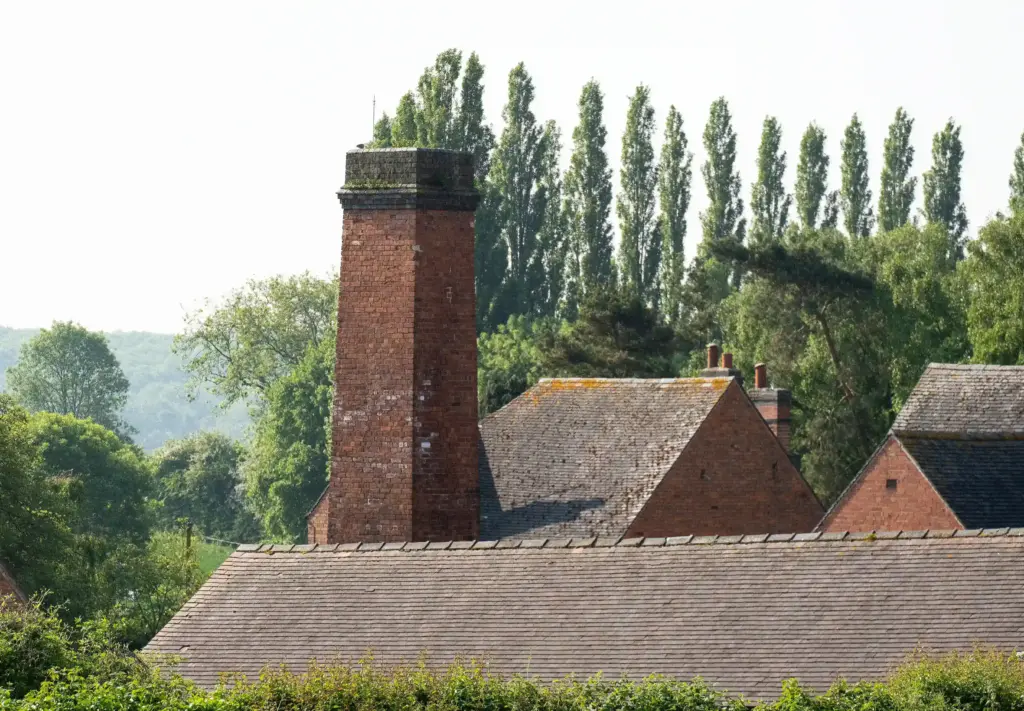
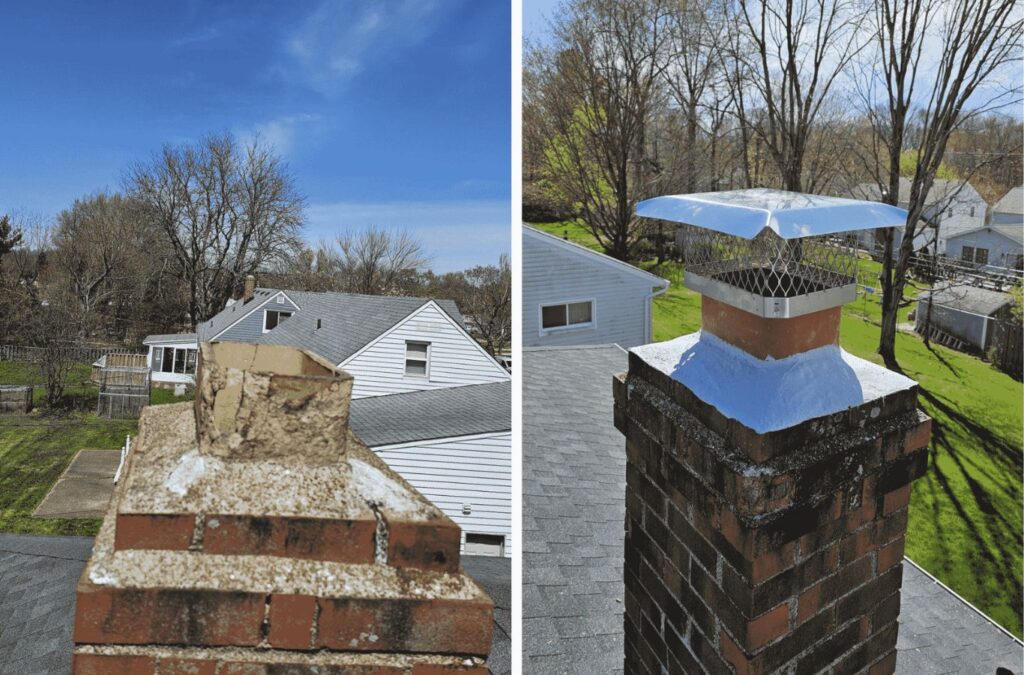
Sealing a chimney without repairing existing damage only locks problems beneath the surface. Cracked bricks, deteriorated mortar joints, or missing crown material must be restored first. When homeowners explore how to seal brick chimney walls, they often find that professional repair is needed before sealing occurs. Mortar joints weakened by water or age cannot support the chimney properly, so repointing becomes necessary. Replacing damaged bricks keeps moisture from entering through compromised areas. Repairing the crown prevents water from collecting on the top surface and seeping downward.
Once these structural concerns are addressed, the chimney becomes ready for sealing. Sealing after repairs prevents new water from entering and helps preserve the work. Every layer, from the firebox to the crown, benefits from proper sealing because it prevents moisture from spreading and creating future problems.
How a Chimney Cap Enhances Sealing Efforts
A chimney cap prevents rain from entering the flue and works alongside the sealant to reduce moisture exposure. Without a cap, water can fall directly into the chimney and drip onto the walls, undoing the benefits of sealing. When homeowners look into how to seal brick chimney systems, they often discover that a cap is just as important as a high quality sealant. A well fitted cap blocks snow, rain, and debris while allowing smoke to exit freely. It also prevents animals from nesting inside and creating blockages.
When paired with a properly sealed exterior, a chimney cap provides comprehensive protection against water damage. The two systems work together to keep the chimney dry from top to bottom. This combination increases longevity and reduces the risk of leaks or structural deterioration.
Why Professional Application Makes a Difference
Although sealing brick may seem straightforward, proper application requires experience and knowledge of masonry behavior. Professionals understand how much sealant each surface needs, how deeply it should penetrate, and which environmental conditions produce the best results. They also recognize which products will perform best in the local climate. Homeowners curious about how to seal brick chimney walls soon realize that professional sealing delivers longer lasting protection and more consistent coverage than typical do it yourself methods.
Expert application ensures that the sealant reaches into every part of the masonry, including recessed joints and textured surfaces. This thorough coverage is essential for preventing future water intrusion. Professionals also address any hidden structural issues before sealing so the chimney receives complete care and protection.
Maintaining a Sealed Chimney Through the Seasons
Once sealed, the chimney requires little ongoing maintenance. Periodic inspections confirm that the seal remains intact and that the masonry shows no signs of new wear. The EPA emphasizes the importance of maintaining building materials to preserve indoor and outdoor air quality. A sealed chimney helps prevent moisture problems that can cause odors or mold growth. Checking the chimney after harsh weather ensures that the seal has not been compromised by heavy rain, branches, or ice accumulation.
Homeowners who seal their chimneys properly enjoy long term protection against water damage and reduced repair needs. The chimney remains stable, clean, and ready for everyday use. Regular cleaning of the flue and timely inspections complement the sealing process and protect the entire system throughout the year.
Conclusion: Preserving the Strength of Your Chimney
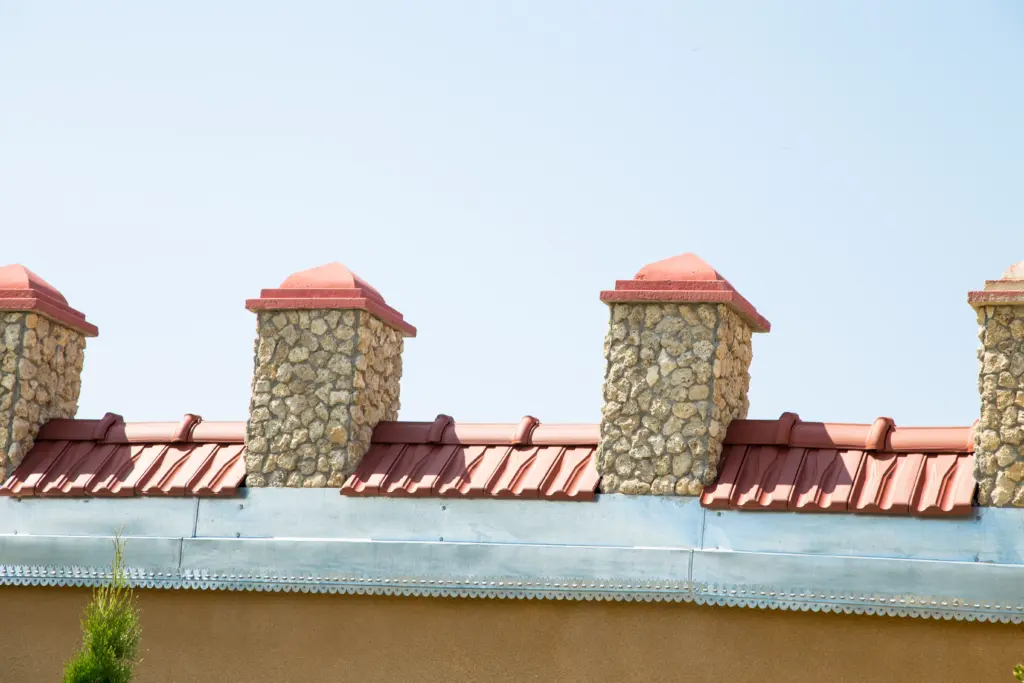
Learning how to seal brick chimney walls helps homeowners take an important step in protecting one of the most exposed structures of their home. Proper sealing blocks harmful moisture, prevents cracking, and preserves the masonry for years to come. With clean surfaces, repaired joints, and high quality sealant, the chimney becomes stronger and more resilient against seasonal weather. Sealing not only keeps water out but also supports safe and efficient fireplace operation by reducing structural wear.
If your chimney shows signs of moisture intrusion or aging masonry, reliable sealing can restore protection and stability. Visit our Chimney Services page or contact us today to schedule an assessment. Green & Clean Home Services provides expert chimney maintenance across Lake, Cuyahoga, Geauga, Summit, and Portage Counties, ensuring your brick chimney remains strong and weather resistant for years to come.