
What size dryer vent should you use? For most residential dryers, the recommended size is a four-inch diameter vent. This standard provides the airflow needed to remove heat, moisture, and lint safely while helping the dryer operate efficiently. Understanding why vent size matters, how vent length affects performance, and when professional installation is needed can help protect your home and extend the life of your appliance.
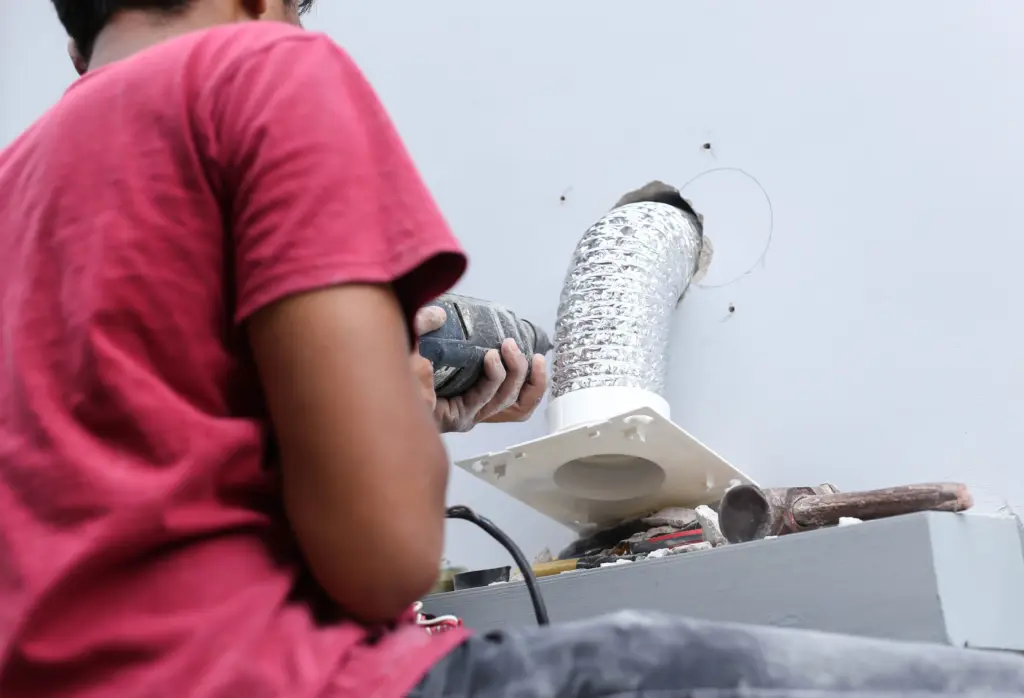
Why Dryer Vent Diameter Matters
The diameter of a dryer vent determines how easily air and lint can pass through the system. When the vent is too small, airflow becomes restricted, and the dryer must work harder to push air out. Restricted airflow increases drying time, raises energy use, and adds unnecessary strain on the dryer’s heating element. Homeowners who wonder what size dryer vent is ideal quickly learn that a standard four-inch diameter is recommended for most residential dryers. This size allows enough space for effective airflow while preventing lint from accumulating in tight passages.
Manufacturers design modern dryers to operate with consistent ventilation conditions. When the vent diameter is incorrect, the machine cannot move air at the rate needed to remove heat and moisture. This leads to warm laundry rooms, damp clothing, and increased wear on internal components. Following the correct vent size ensures optimal performance and longer appliance life, creating a safer and more efficient home environment. Routine Dryer Vent Cleaning helps maintain proper airflow and prevents lint from reducing the effectiveness of a correctly sized vent system.
The Role of Vent Length in Performance
Even when the correct diameter is used, the total length of the vent system influences how well it performs. Longer vent runs require more force to push air through the duct, which can lead to trapped lint and poor airflow if not installed correctly. When homeowners search for what size dryer vent they need, they often realize that length and layout matter almost as much as diameter. Each turn, rise, or bend adds resistance, forcing the dryer to work harder. Reducing unnecessary bends and keeping the path as straight as possible allows the dryer to exhaust air efficiently.
The Energy.gov website highlights that proper airflow reduces energy waste and improves appliance performance. When the vent is sized and installed correctly, the dryer can complete cycles faster and use less power. A well-designed system reduces lint accumulation and minimizes the chance of overheating, making it a vital part of home safety and efficiency.
Dryer manufacturers also specify a maximum vent length based on the number of bends in the system. Every 90-degree elbow reduces the effective vent length because it creates additional airflow resistance. Even with the correct four-inch diameter, exceeding the recommended length can reduce drying efficiency and increase lint accumulation inside the duct.
Professional installers calculate the total effective length before installation to ensure the vent system complies with both manufacturer recommendations and local building codes. This careful planning helps the dryer operate more efficiently while reducing unnecessary wear on the appliance.

Material and Construction Influence Vent Sizing
The vent material also affects performance. Flexible foil ducts are common in older installations but are no longer recommended because their rigid surfaces trap lint more easily. Rigid metal ducts provide smoother airflow and improve safety. When homeowners research what size dryer vent they should use, they often discover that rigid metal ducts maintain consistent diameter throughout the entire vent run. This consistency reduces clogs, improves exhaust flow, and prevents airflow restrictions that flexible ducts can create.
Properly installed rigid ducts keep the vent stable and reduce the risk of crushing or pinching. When ducts lose their shape, the diameter decreases, and airflow becomes restricted. Consistent, smooth surfaces from end to end ensure safe venting conditions and better dryer performance. The material choice and installation quality contribute greatly to how well the vent maintains its intended size.
How Vent Size Affects Dryer Safety
Dryer safety depends heavily on effective ventilation. When the vent diameter is too small, or the duct becomes clogged, heat and lint build up inside the dryer. This combination increases the risk of ignition. According to the National Fire Protection Association, dryers cause thousands of home fires each year due to improper venting and lint accumulation. Understanding what size dryer vent is needed helps reduce this risk by ensuring that the vent can move air and lint freely through the system.
A properly sized vent keeps temperatures stable and prevents the dryer from overheating. Stable temperatures protect the heating element and extend the machine’s lifespan. Adequate airflow also helps maintain indoor air quality by keeping moisture and heat from entering the home. Proper vent sizing is one of the simplest ways to improve safety and avoid preventable maintenance problems.
How the Dryer’s Location Influences Vent Size Choices
The placement of the dryer within the home affects the vent path and may influence how homeowners evaluate what size dryer vent works best. Dryers located on interior walls often require longer vent runs that travel through floors or ceilings before reaching an exterior wall. Longer runs must maintain a consistent four-inch diameter to handle the added airflow resistance. Dryers installed in basements, second floors, or laundry closets may require special routing to preserve airflow efficiency.
Vent paths that rise vertically or include multiple turns increase friction inside the duct. When the vent system must navigate through tight spaces, homeowners sometimes consider smaller duct sizes, but that choice only increases risk. Maintaining the standard diameter throughout the entire length of the system prevents blockages and reduces stress on the dryer. Consistency along the route is more important than adapting the duct to fit a challenging location.
The Relationship Between Vent Size and Lint Accumulation
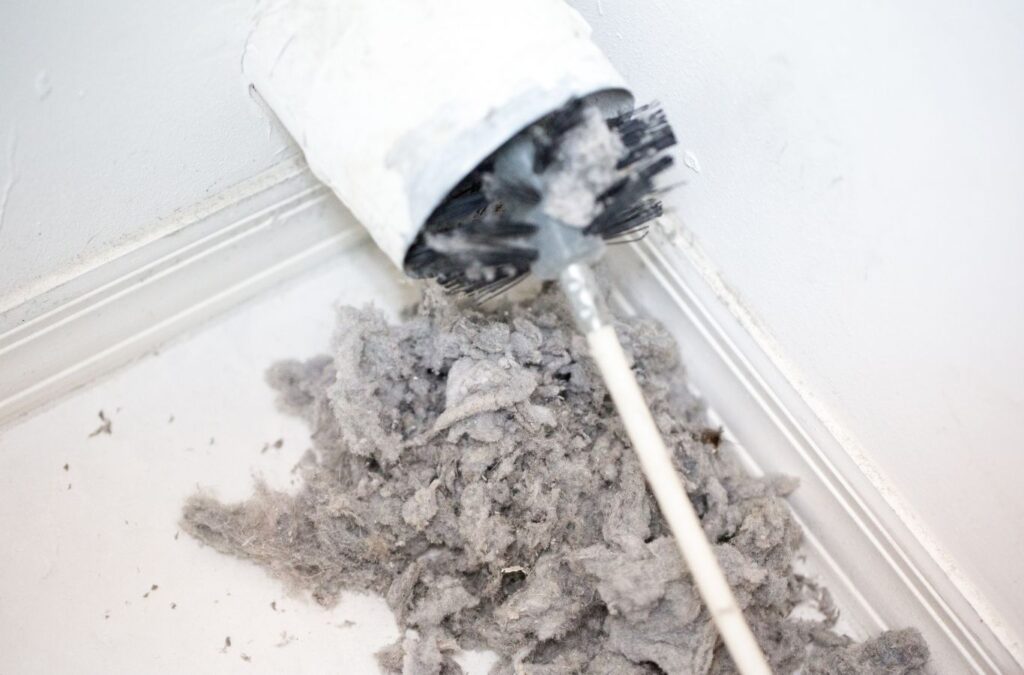
Larger vent diameters reduce the likelihood of lint buildup because air can move more freely. A restricted vent forces lint to settle along the walls of the duct, where it accumulates layer by layer. Over time, these layers create a thick, flammable coating that reduces airflow even further. Homeowners who question what size dryer vent works best soon discover that the proper four-inch diameter significantly decreases the chance of clogs. When lint moves through the duct at the correct speed, the system stays cleaner and safer.
Even with the right size, regular cleaning remains essential. Lint can accumulate near the vent hood, inside the dryer, or around any bends in the duct. Professional cleaning removes these hidden blockages and restores airflow. Consistent maintenance ensures that the vent continues performing at its intended capacity and keeps the home safe throughout the year. If your dryer takes longer than normal to dry clothes, our professional dryer vent services can identify airflow restrictions and restore safe performance.
How Incorrect Vent Size Affects Efficiency
Choosing the wrong size vent can undermine the dryer’s performance. Restricted vents increase drying times, which means the machine runs longer, uses more energy, and experiences greater wear. Shorter cycles are possible when airflow is unobstructed. Homeowners comparing appliance performance often notice that a dryer with proper ventilation creates fewer wrinkles, dries clothing evenly, and operates at a stable temperature. These improvements demonstrate why understanding what size dryer vent to use helps protect both the appliance and the household budget.
Energy efficiency becomes especially important as utility costs rise. Proper vent sizing ensures that the dryer runs at peak performance with minimal wasted energy. Longer drying times not only increase cost but signal an underlying vent problem that needs attention. Improving airflow through correct sizing is one of the simplest ways to reduce monthly energy use.
Why Professional Installation Ensures Correct Vent Sizing
Professional installation eliminates guesswork and ensures that the vent meets the dryer’s requirements. Technicians understand how airflow behaves through different materials and layouts. They know how to maintain the correct diameter throughout the vent path and how to minimize bends that reduce efficiency. Homeowners seeking answers about what size dryer vent they need should seek expert evaluation when the vent path is complex or when replacing an older, outdated system. Professional installers measure airflow, inspect for obstructions, and confirm that the duct meets safety and building standards.
Proper installation also prevents accidental errors such as incorrect routing, insufficient sealing, or incompatible materials. These mistakes reduce efficiency and create safety risks. With professional guidance, the vent performs as intended and keeps the dryer functioning reliably. This attention to detail helps homeowners avoid problems that develop when vents are undersized or poorly assembled.
During dryer vent inspections, we frequently find crushed ducts, oversized transition pieces, and excessive bends that reduce airflow even when the vent diameter is correct. Correcting these installation issues often improves drying performance immediately and helps reduce long-term safety risks. Homeowners throughout Lake, Cuyahoga, Geauga, Summit, and Portage Counties often schedule dryer vent inspections after moving into an older home or when drying cycles begin taking longer than expected. Early inspections help identify airflow restrictions before they become safety hazards.
Conclusion: Choosing the Right Vent Size Protects Your Home
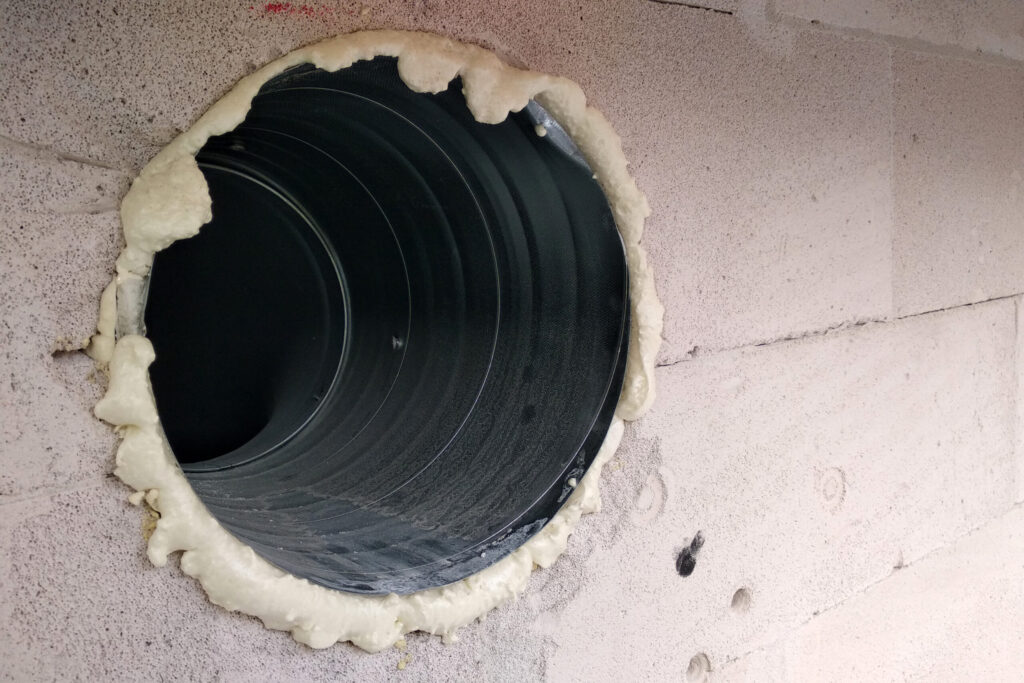
What size dryer vent should you use? In most homes, a four-inch diameter vent provides the airflow needed for safe and efficient dryer operation. Throughout this guide, we’ve explained why vent diameter, vent length, duct material, and proper installation all work together to improve performance while reducing the risk of lint buildup and overheating.
If your dryer runs longer than it should or you suspect a venting problem, Green & Clean Home Services is here to help. Visit our Dryer Vent Cleaning page or contact us to schedule a professional inspection anywhere in Northeast Ohio.