
Installing a chimney cap is one of the simplest yet most effective ways to protect your chimney and your home from long-term damage. Many homeowners overlook this small component, but it plays a critical role in preventing moisture, debris, and animals from entering the chimney. Without a properly installed chimney cap, your chimney is exposed to rain, snow, and harsh weather conditions that can lead to costly repairs over time. In areas like Northeast Ohio, where seasonal weather can be unpredictable, a chimney cap is not just an upgrade, it is a necessity for maintaining safety and durability.

What a Chimney Cap Does
A chimney cap sits at the top of the chimney flue and acts as a protective barrier. It allows smoke and gases to escape while blocking outside elements from entering. Rainwater can cause serious damage to chimney masonry, leading to cracks, mold growth, and rust in metal components. A chimney cap prevents this moisture from entering the system. It also keeps leaves, twigs, and other debris from clogging the flue, which can affect airflow and increase fire risk. According to the International Association of Certified Home Inspectors, chimney caps are essential for preventing structural damage and improving chimney performance.
Why Installing a Chimney Cap Is Important
Leaving your chimney uncovered exposes it to a wide range of problems that can develop over time. Water intrusion is one of the most common issues, and it can lead to expensive repairs if ignored. Moisture weakens brick and mortar, causing deterioration that compromises the entire chimney structure. A chimney cap also improves safety by preventing sparks from escaping and landing on your roof. This is especially important for homes with wood-burning fireplaces. In addition, chimney caps prevent animals such as birds and squirrels from nesting inside the flue, which can create dangerous blockages.
Types of Chimney Caps Available
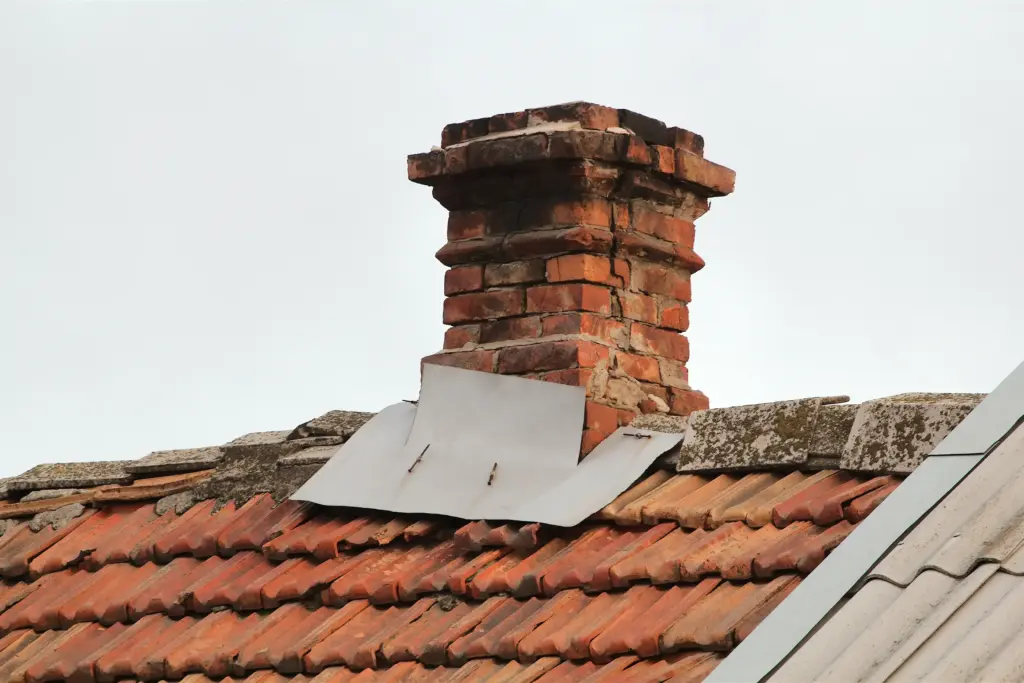
Choosing the right chimney cap is an important step in the installation process. There are several types available, each designed for different chimney styles and needs. Stainless steel chimney caps are the most popular option because they are durable, rust-resistant, and long-lasting. Copper caps offer a more decorative look and can enhance the appearance of your home, though they come at a higher cost. Galvanized steel caps are a more affordable option but may not last as long in harsh weather conditions. Selecting the right type ensures your chimney cap performs effectively for years.
Preparing for Chimney Cap Installation
Before installing a chimney cap, proper preparation is essential to ensure a secure and effective fit. Start by measuring the dimensions of the chimney flue accurately. The cap must match these measurements to prevent gaps or instability. Inspect the chimney top for any cracks or damage that should be repaired before installation. Cleaning the flue area helps remove debris and ensures a stable surface for the cap. Proper preparation reduces the chances of installation issues and improves long-term performance.
How to Install a Chimney Cap
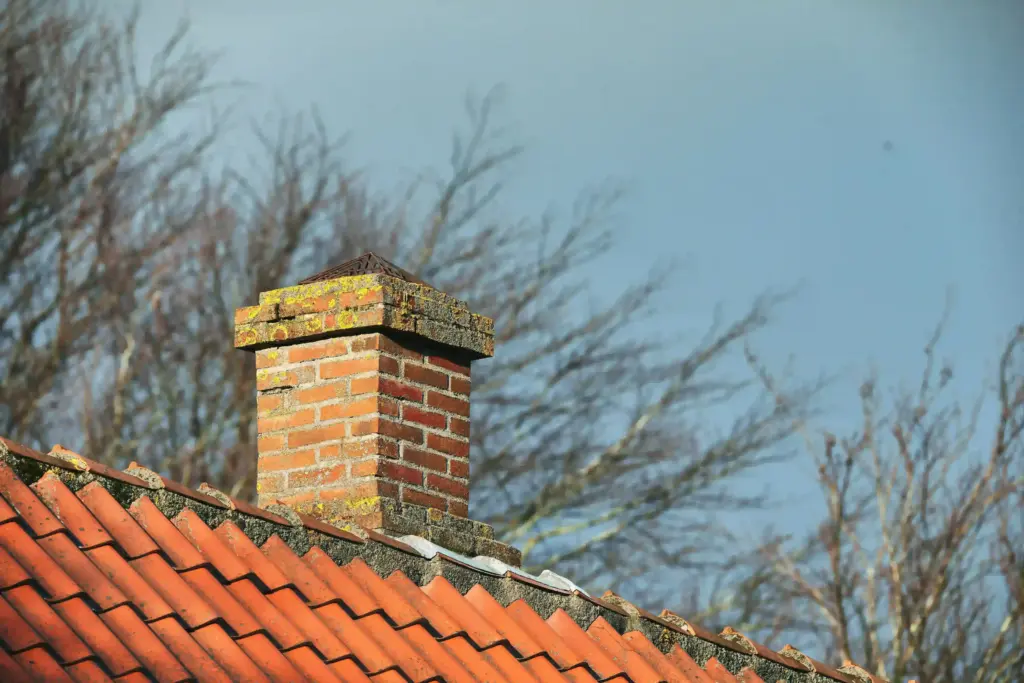
The process of how to install a chimney cap involves placing the cap over the flue opening and securing it firmly in place. Most chimney caps come with screws or clamps that attach directly to the flue liner. Once positioned, the cap should sit evenly and tightly to prevent movement. Tightening the fasteners ensures the cap remains stable during strong winds and harsh weather. It is important to check alignment carefully to make sure airflow is not restricted. A properly installed cap allows smoke to escape freely while keeping unwanted elements out.
Safety Precautions During Installation
Installing a chimney cap requires working on the roof, which presents potential safety risks. It is important to use a sturdy ladder and wear non-slip footwear to reduce the chance of slipping. Avoid performing installation during wet or windy conditions, as this increases the risk of accidents. The National Institute for Occupational Safety and Health emphasizes the importance of fall prevention when working at heights. Taking proper safety precautions ensures the installation process is completed without injury.
Common Mistakes to Avoid
One of the most common mistakes homeowners make is selecting the wrong size chimney cap. A cap that is too small will not provide adequate coverage, while one that is too large may not fit securely. Another mistake is failing to tighten the fasteners properly, which can cause the cap to loosen or fall off over time. Ignoring existing chimney damage before installation can also lead to further issues. Taking the time to address these factors ensures a successful installation.
When to Hire a Professional
While installing a chimney cap may seem straightforward, certain situations require professional expertise. Chimneys that are difficult to access or located on steep roofs can make installation more challenging and dangerous. In these cases, hiring a professional ensures the job is done safely and correctly. Professionals also have the experience to identify underlying issues that may not be visible. Homeowners in Northeast Ohio can rely on Green and Clean Home Services for reliable chimney cap installation and inspection services.
Benefits of Installing a Chimney Cap
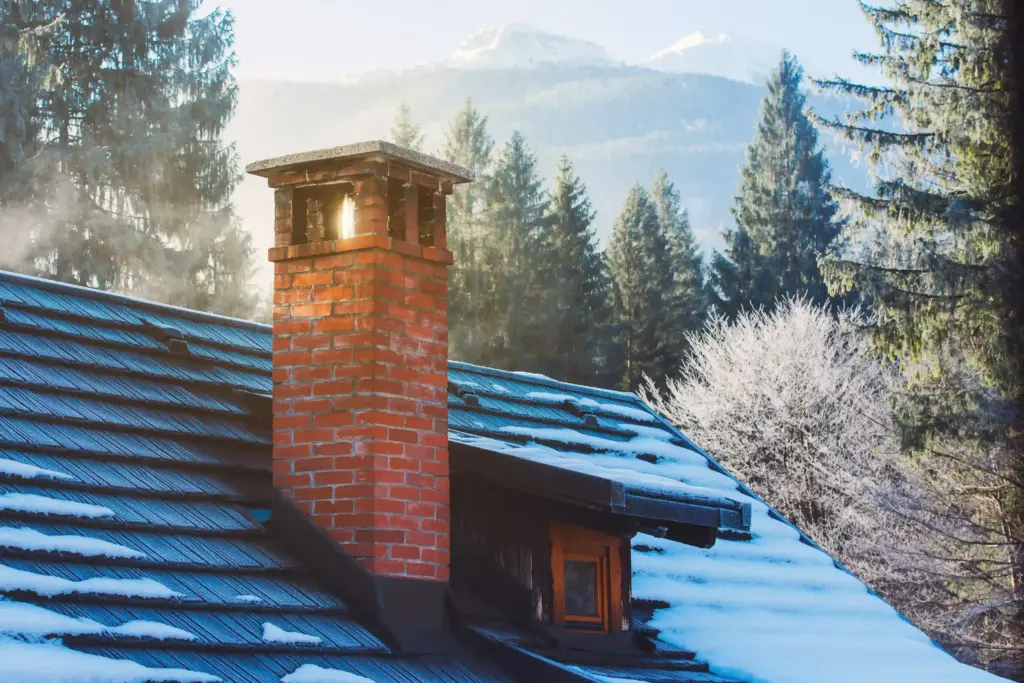
A properly installed chimney cap offers numerous benefits that go beyond basic protection. It prevents moisture damage, reduces maintenance needs, and improves chimney efficiency. By keeping debris and animals out, it ensures consistent airflow and reduces the risk of blockages. It also extends the lifespan of the chimney by protecting it from environmental damage. Investing in a chimney cap provides long-term value and peace of mind for homeowners.
Maintaining Your Chimney Cap
Once installed, regular maintenance of your chimney cap is important to ensure it continues to function effectively. Periodic inspections help identify any signs of rust, damage, or loose fittings. Cleaning the cap removes debris that may accumulate over time and affect airflow. Maintaining your chimney cap ensures it provides consistent protection and prevents unexpected issues.
Chimney Caps and Weather Protection
Weather conditions can have a significant impact on chimney performance, especially in regions with heavy rain, snow, or freezing temperatures. A chimney cap acts as the first line of defense against these elements. By preventing water from entering the chimney, it reduces the risk of freeze-thaw damage that can weaken masonry. It also helps prevent downdrafts caused by strong winds, improving the overall efficiency of your fireplace.
Conclusion
Installing a chimney cap is a simple yet essential step in protecting your chimney and your home. It helps prevent moisture damage, improves safety, and ensures your chimney operates efficiently throughout the year. While some homeowners may choose to install a chimney cap themselves, professional installation offers added reliability and peace of mind. For dependable service and expert installation, contact Green and Clean Home Services and keep your chimney protected in every season.