
If you are wondering how to clean fireplace glass, you are not alone. Over time, fireplace glass develops a layer of soot, ash, and cloudy residue that can hide the beauty of the flames and make your fireplace look neglected. The good news is that, in most cases, you can restore clear, streak-free glass using the right cleaning methods and a few simple supplies. Learning how to clean fireplace glass properly also helps prevent scratches, protects specialty glass coatings, and keeps your fireplace looking its best throughout the heating season.
Whether you have a wood-burning or gas fireplace, residue naturally builds up with regular use. Wood-burning fireplaces typically produce heavier soot and creosote, while gas fireplaces can leave behind a white or hazy film caused by mineral deposits and combustion byproducts. This guide explains why fireplace glass gets dirty, the safest ways to clean it, which products to use or avoid, and how to keep the glass cleaner for longer.
Why Fireplace Glass Gets Dirty
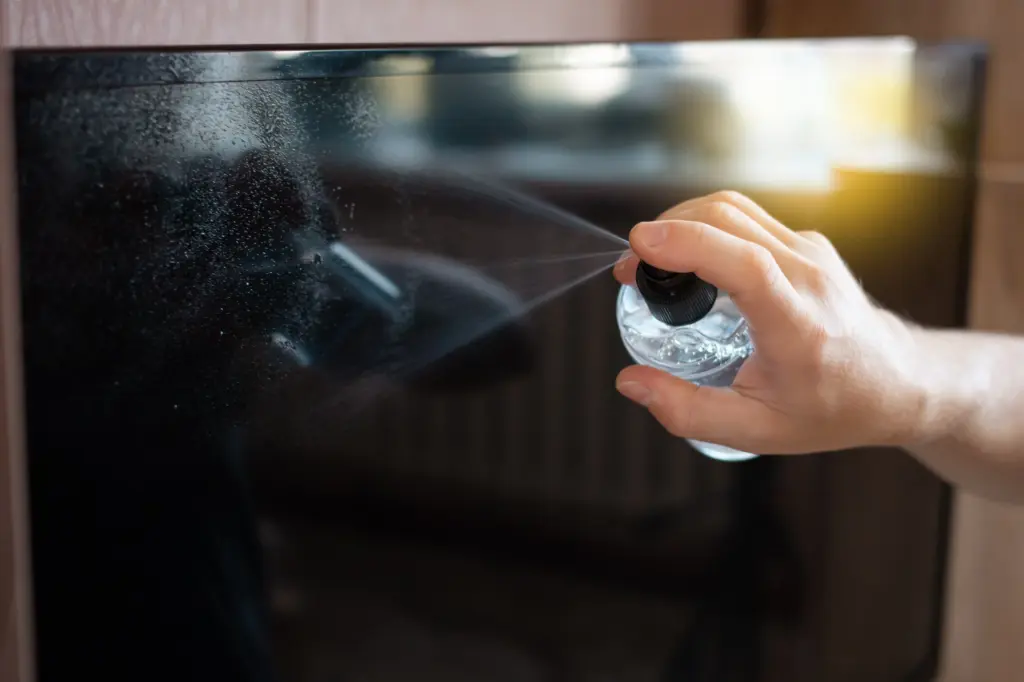
Understanding why fireplace glass becomes dirty makes it easier to prevent excessive buildup. In wood-burning fireplaces, incomplete combustion creates soot and creosote that stick to the inside of the glass. Burning unseasoned firewood, restricting airflow, or operating the fireplace at low temperatures often increases the amount of residue left behind. Even when everything works correctly, some buildup is still normal after repeated use. Gas fireplaces also develop deposits over time, although the residue usually appears as a white or cloudy film instead of thick black soot. Minerals released during combustion and small amounts of dust circulating through the home often settle on the glass. Routine cleaning prevents these deposits from becoming difficult to remove while keeping your fireplace looking its best throughout the heating season.
Allow the Fireplace to Cool Completely
Before learning how to clean fireplace glass, always make sure the fireplace has cooled completely. Attempting to clean hot glass can cause burns and may damage certain cleaning products. Wait several hours after the fireplace has been turned off before opening the doors or touching the glass. If the fireplace has recently been operating at high temperatures, giving it extra time to cool is the safest approach. While waiting, gather everything needed for the job. A microfiber cloth, soft sponge, bucket of warm water, fireplace glass cleaner, disposable gloves, and paper towels usually provide everything required for routine cleaning. Avoid using abrasive scrubbers or razor blades because they can scratch the glass or damage protective coatings.
Choose the Right Fireplace Glass Cleaner
Selecting the proper cleaning product is one of the most important steps when learning how to clean fireplace glass. Cleaners specifically designed for fireplace glass remove soot and smoke residue without harming the surface. These products break down stubborn deposits while leaving the glass clear and streak-free. Always follow the manufacturer’s instructions for the cleaner you choose. Many homeowners also use simple household solutions for light residue. A damp microfiber cloth combined with a small amount of fireplace ash can sometimes remove soot from wood-burning fireplace glass because the fine ash acts as a gentle polishing agent. However, avoid using harsh chemicals such as oven cleaner or abrasive powders because they may permanently damage the glass or surrounding fireplace finish.
How to Clean Fireplace Glass Step by Step
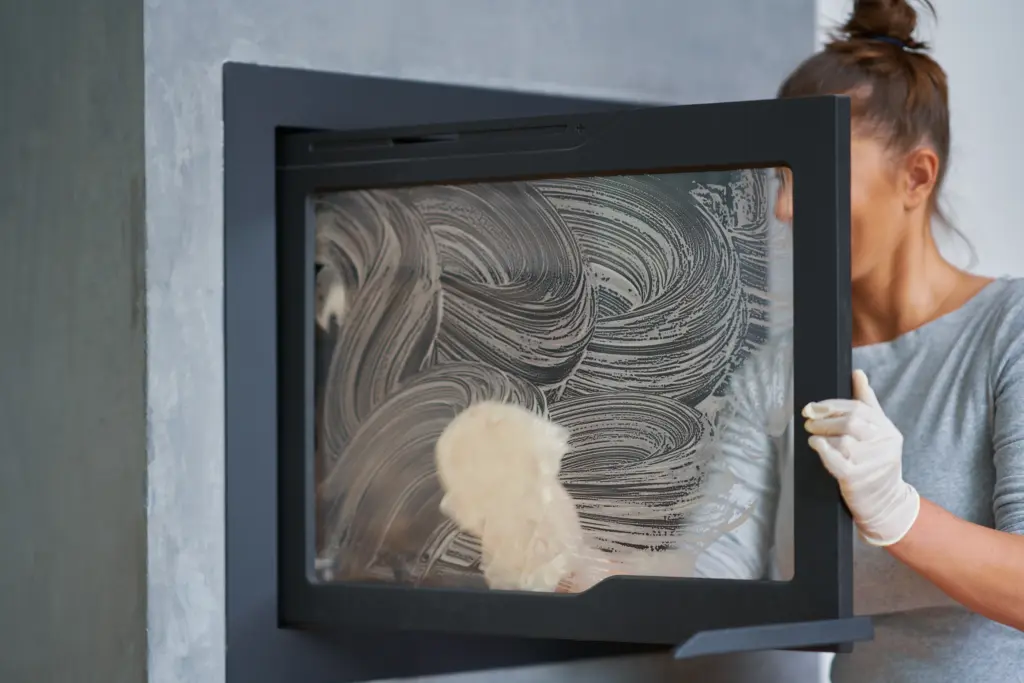
Once the fireplace has cooled, apply a small amount of fireplace glass cleaner to a soft microfiber cloth rather than spraying the cleaner directly onto the glass. Wipe the glass using circular motions while applying light pressure to loosen soot and residue. Allow the cleaner to remain on stubborn spots for the amount of time recommended by the manufacturer before wiping again. This method usually removes most buildup without excessive scrubbing. After removing the residue, wipe the glass with a clean damp cloth to remove any remaining cleaner. Finish by drying the surface completely with a dry microfiber towel to prevent streaks. If heavy deposits remain, repeat the process instead of scrubbing aggressively. Gentle cleaning protects the glass while delivering much better long-term results than using excessive force.
Remove Stubborn Stains Without Damaging the Glass
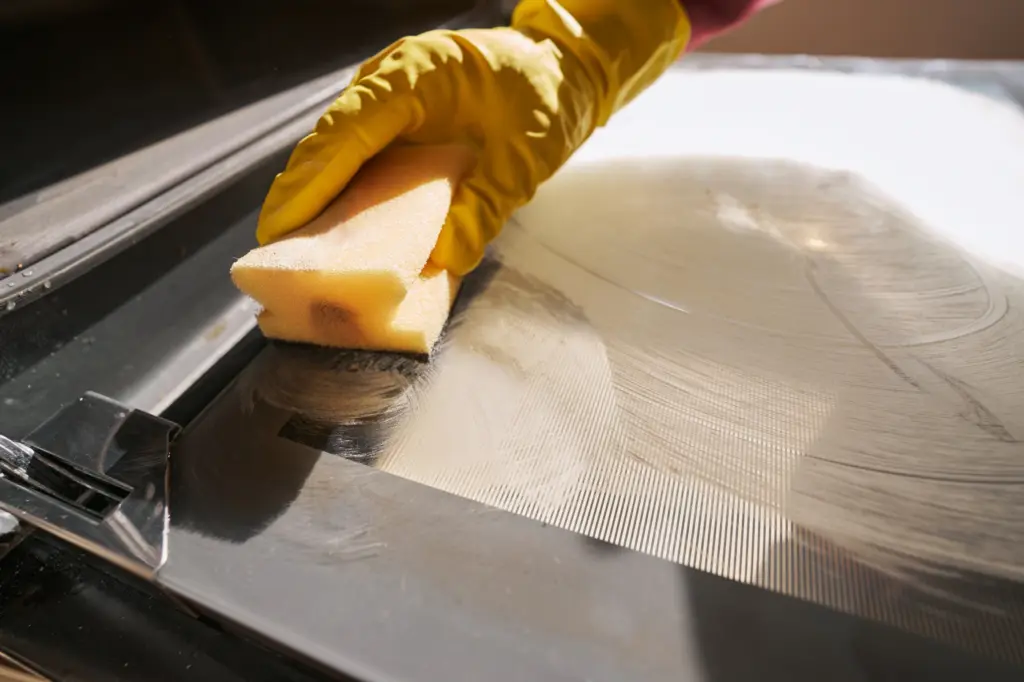
Sometimes regular cleaning is not enough to remove thick soot or baked-on residue. If that happens, avoid using excessive force because aggressive scrubbing can scratch the glass and shorten its lifespan. Instead, apply a quality fireplace glass cleaner and allow it to sit for several minutes. The cleaner softens stubborn deposits, making them much easier to wipe away with a microfiber cloth. Patience often produces better results than heavy scrubbing. If residue still remains, repeat the cleaning process instead of trying stronger household chemicals. Fireplace glass is designed to withstand high temperatures, but it can still become damaged by abrasive cleaners, steel wool, or sharp tools. Gentle cleaning performed several times usually restores the glass without affecting its appearance or protective coating.
Common Mistakes When Learning How to Clean Fireplace Glass
Many homeowners unknowingly make mistakes while trying to clean fireplace glass. One of the biggest mistakes is cleaning the glass while it is still warm. Sudden temperature changes combined with cleaning products can damage the glass or create safety hazards. Another common mistake is using household cleaners that contain ammonia or harsh chemicals. These products are not designed for fireplace glass and may leave streaks or damage surrounding finishes. Using abrasive pads, wire brushes, or razor blades is another mistake that often causes permanent scratches. Even if the scratches appear minor at first, they become more noticeable over time as soot collects inside them. Following the correct cleaning process protects the glass and helps maintain the attractive appearance of the entire fireplace.
How to Clean Fireplace Glass Less Often
Knowing how to clean fireplace glass is important, but preventing excessive buildup saves both time and effort. If you have a wood-burning fireplace, burn only properly seasoned hardwood because dry wood burns more efficiently and produces less smoke. Keep the air vents open enough to support complete combustion, and avoid smoldering fires that create excessive soot and creosote. Better burning conditions keep both the fireplace and the glass much cleaner. Gas fireplace owners should schedule regular maintenance to keep burners properly adjusted. Dirty burners or incorrect gas pressure may cause incomplete combustion, resulting in cloudy residue forming on the glass. Routine inspections and professional servicing help maintain clean-burning flames while reducing the amount of cleaning required throughout the heating season.
How Often Should You Clean Fireplace Glass?
There is no single cleaning schedule that works for every home because fireplace use varies throughout the year. Families who use their fireplace several times each week may need to clean the glass every few weeks. Homeowners who use the fireplace only occasionally may only need a few cleanings each season. Instead of following a fixed schedule, clean the glass whenever soot begins reducing your view of the flames. Annual fireplace inspections provide another opportunity to keep the entire system in excellent condition. During a professional inspection, technicians examine the glass, door seals, firebox, chimney, venting system, and other important components. Regular maintenance helps identify developing problems before they become expensive repairs while keeping your fireplace operating safely.
Trust Green & Clean Home Services for Fireplace Maintenance
If you have been searching for how to clean fireplace glass, Green & Clean Home Services is ready to help. Our experienced technicians provide fireplace cleaning, fireplace inspections, chimney services, and fireplace maintenance throughout Lake County, Cuyahoga County, Geauga County, Summit County, and Portage County. We carefully inspect every fireplace, clean important components, and recommend maintenance that helps your fireplace perform safely and efficiently throughout the heating season.
Whether your fireplace needs routine maintenance or a complete inspection, our team delivers dependable service backed by years of experience. Visit our Fireplace Services page to learn more about our fireplace solutions. You can also schedule an appointment through our Contact Page. For additional homeowner guidance, visit the Hearth, Patio & Barbecue Association and the EPA Burn Wise Program.
Final Thoughts
Learning how to clean fireplace glass helps you maintain a beautiful view of the fire while protecting one of the most visible parts of your fireplace. Routine cleaning removes soot, smoke residue, and mineral deposits before they become difficult to remove. Combined with proper burning practices and regular maintenance, clean fireplace glass improves both the appearance and performance of your fireplace.
If stubborn stains continue returning or your fireplace shows signs of poor combustion, schedule a professional inspection instead of relying on repeated cleaning alone. Green & Clean Home Services can identify the cause of excessive soot, recommend the right solution, and help keep your fireplace clean, safe, and ready for every season.