
Carpet beetles are one of the most common household pests, often going unnoticed until they have already damaged carpets, clothing, upholstery, or stored fabrics. To get rid of carpet beetles, you need to thoroughly clean infested areas, remove larvae and eggs through vacuuming and washing, treat affected spaces with appropriate pest-control methods, and take preventive steps to stop future infestations.
If left untreated, carpet beetles can continue damaging natural fibers throughout your home. Understanding how to identify an infestation and respond quickly can help protect your belongings and prevent a small problem from becoming a larger one.
What Are Carpet Beetles?
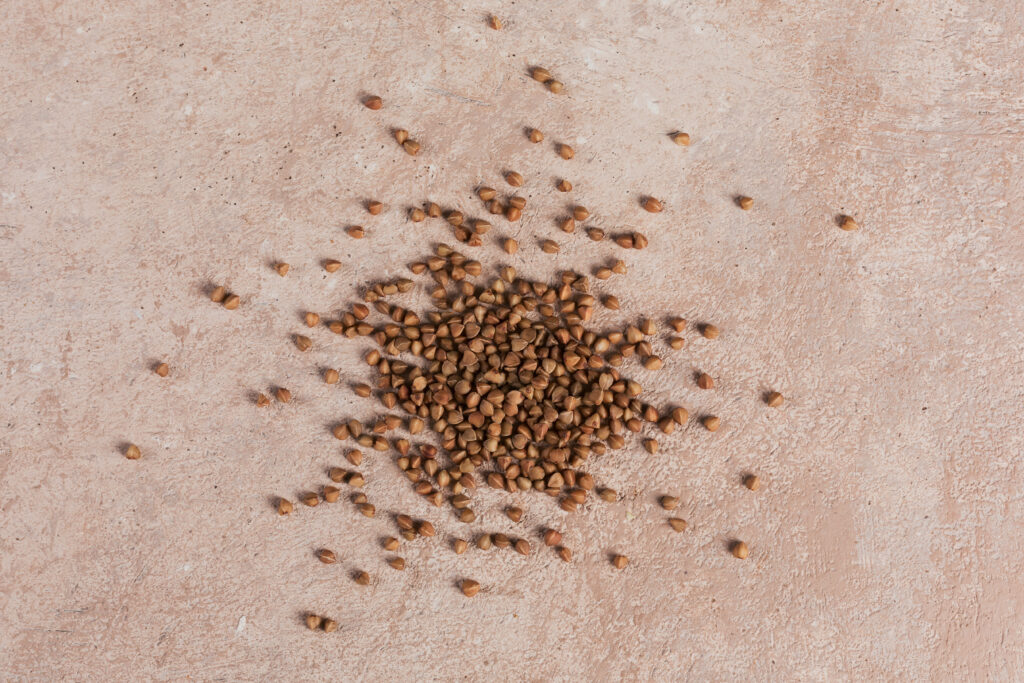
Carpet beetles are small, oval-shaped insects that can vary in color from brown to black. The larvae of these beetles are the ones that cause damage to fabrics, carpets, and natural fibers, while the adult beetles tend to feed on pollen and nectar. Unlike other insects, carpet beetles are often not immediately visible because they hide in hard-to-reach places, including under furniture, along baseboards, and in closets.
For additional information about identifying common household pests, the Purdue University Extension guide on carpet beetles provides helpful identification and prevention information.
Identifying a Carpet Beetle Infestation
The first step in dealing with carpet beetles is identifying the infestation. If you notice holes or small, irregularly shaped spots in your carpets, rugs, or clothing, it may be an indication that carpet beetles have made their home in your space. You may also observe small, round beetles flying near windows or doors, particularly in the warmer months when they become more active.
One of the key signs of an infestation is the presence of carpet beetle larvae. These larvae are often found in dark, secluded areas where food sources are abundant, such as inside drawers, behind furniture, or in attics. The larvae appear as tiny, brown, bristly worms, and they can be found feeding on any organic material, such as wool, silk, and other fabrics.
Why Carpet Beetles Are a Problem
Carpet beetles are more than just a nuisance; they can cause significant damage to household items. The larvae feed on natural fibers like wool, fur, feathers, and even stored food products. As the larvae feed, they leave behind small, scattered holes in fabrics, carpets, and upholstered furniture, which can be costly to repair or replace.
Carpet beetles can also pose a health risk, especially to individuals who are sensitive to their presence. In some cases, prolonged exposure to carpet beetles and their larvae can cause allergic reactions, resulting in rashes or respiratory issues. Therefore, it is important not only to get rid of the pests but also to ensure that your home remains free from future infestations.
Locate the Source of the Infestation
Before beginning treatment, try to identify where the carpet beetles are breeding. Common sources include closets with stored clothing, pet bedding, air vents, attics, lint accumulation, bird nests near windows, and areas beneath heavy furniture. Locating the source allows you to target the infestation more effectively and reduces the chances of carpet beetles returning after treatment.
Step 1: Thorough Cleaning of Infested Areas
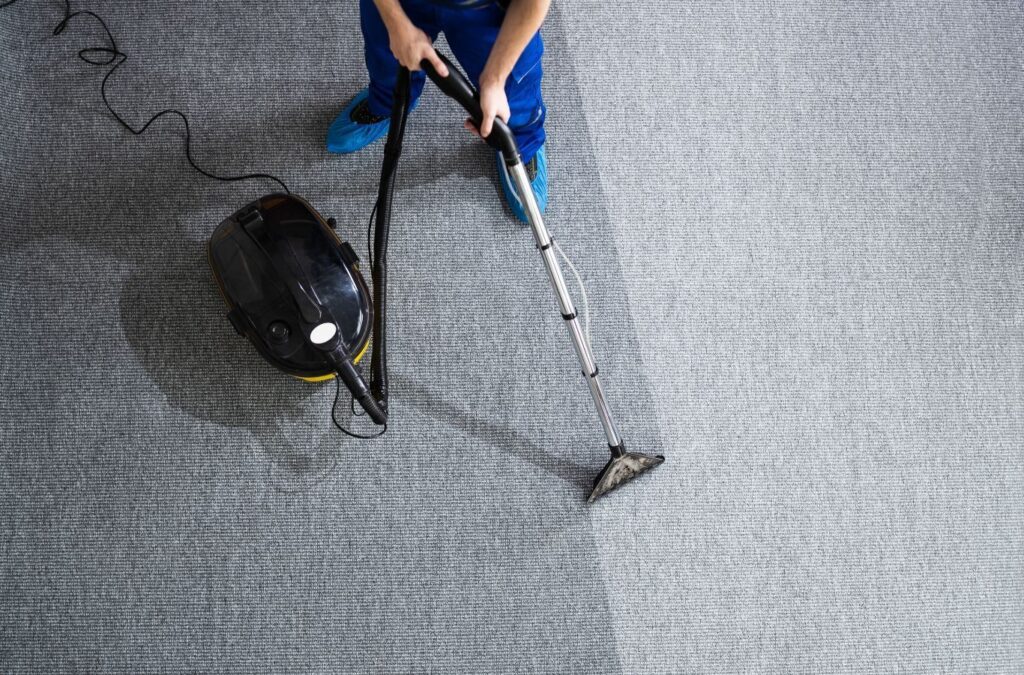
The first and most important step in eliminating carpet beetles is a thorough cleaning of the affected areas. Start by vacuuming all carpets, rugs, and upholstered furniture. Pay close attention to seams, edges, and underneath furniture where beetles may hide. Make sure to empty your vacuum cleaner bag immediately after use to avoid reinfestation.
Next, wash all clothing, bedding, and other fabric items that may have come into contact with the beetles. Use hot water and high heat when drying these items to kill any remaining larvae or eggs. For items that cannot be washed, consider dry cleaning them to ensure that any hidden pests are eradicated.
Step 2: Treating the Area
Once you’ve cleaned the affected areas, it’s time to treat the infestation. There are several methods to get rid of carpet beetles, including chemical treatments, natural remedies, and professional pest control services.
For chemical treatments, there are several insecticides available that are specifically designed to kill carpet beetles and their larvae. These should be applied directly to areas where you’ve noticed signs of the infestation. Make sure to follow all safety instructions when using these products, and keep children and pets away from treated areas until they have dried.
If you prefer a more natural solution, there are several home remedies you can try. Diatomaceous earth is a non-toxic powder that can be sprinkled over affected areas. It works by dehydrating the insects, causing them to die. Similarly, essential oils like lavender, eucalyptus, or cedarwood are known to repel carpet beetles. Spraying a mixture of water and essential oils around your home can help deter future infestations.
Step 3: Preventing Future Infestations
Once you’ve successfully removed the carpet beetles from your home, it’s crucial to take steps to prevent them from coming back. Prevention is key to avoiding future infestations and protecting your home from further damage.
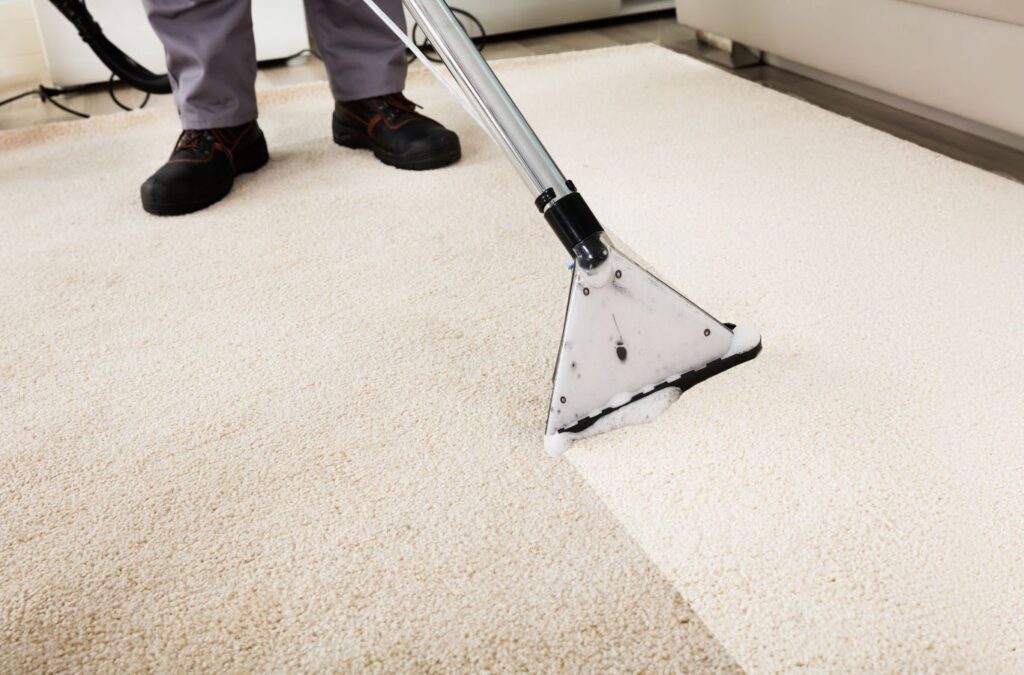
Start by storing clothing, bedding, and other fabric items in airtight containers or sealed bags. This will protect them from potential exposure to carpet beetles. Regularly vacuuming your home and cleaning areas that may attract beetles will help keep your home pest-free. Pay particular attention to dark corners and hidden areas, as these are common places for carpet beetles to hide.
Another effective method of prevention is using natural deterrents such as mothballs or cedar chips. Both of these items have insect-repellent properties that can help keep carpet beetles at bay. Place them in closets, drawers, and other areas where you store fabric items to prevent beetles from infesting them.
Step 4: Inspecting and Sealing Gaps
Carpet beetles often enter homes through small gaps and cracks in windows, doors, and the foundation. To prevent them from re-entering your home, inspect these areas for any signs of damage or gaps and seal them with caulk or weatherstripping. This will help create a barrier that keeps beetles from gaining access to your home in the future.
Additionally, inspect any second-hand furniture or clothing before bringing it into your home. Carpet beetles can hitch a ride on these items, so it’s important to carefully examine them for signs of larvae or adult beetles before introducing them into your living space.
Step 5: Consider Professional Help
If you’ve followed all the necessary steps and still find yourself struggling with a carpet beetle infestation, it may be time to call in a professional pest control service. Pest control experts have access to more powerful insecticides and treatments that may be necessary for eliminating a severe infestation.
A professional pest control service can perform a thorough inspection to locate hidden breeding areas, identify contributing conditions, and develop a treatment plan tailored to the severity of the infestation. This approach often provides faster and more reliable results than repeated DIY treatments.
Conclusion
Learning how to get rid of carpet beetles starts with early detection, thorough cleaning, and eliminating the conditions that allow these pests to thrive. By removing larvae, treating affected areas, and taking preventive measures such as proper storage and regular vacuuming, homeowners can significantly reduce the risk of future infestations.
If carpet beetles continue to return or have already caused extensive damage, professional assistance may be the most effective solution. Green & Clean Home Services helps homeowners throughout Northeast Ohio maintain cleaner, healthier living environments through expert carpet cleaning and home care services designed to support long-term cleanliness and comfort.