When installing or updating a clothes dryer, proper venting is essential for both performance and safety. One common question among homeowners and contractors is: can you use flex duct for dryer vent? The answer is more complex than a simple yes or no. It depends on the type of flex duct, local building codes, and the specific dryer installation requirements. Understanding the risks, limitations, and best practices associated with flexible ducts for dryer vents can help avoid fire hazards, improve efficiency, and extend the life of your appliance. In most cases, you should not use plastic or foil flex duct for dryer vents. Semi rigid metal flex duct can be used in short sections, but rigid metal duct is the safest and most recommended option.
Understanding the Types of Flex Duct
The term “flex duct” generally refers to a flexible form of air ducting, but not all flex ducts are created equal. In the context of dryer vents, two primary types are relevant:
- Plastic (foil covered) flexible duct: This type features a thin, accordion like construction made of plastic or Mylar with a foil coating. It’s often sold in hardware stores as an inexpensive option for dryer connections.
- Flexible metal duct: Made from thin aluminum or semi rigid metal, this version is more durable and safer than plastic options. It is typically UL listed for dryer vent use.
The Dangers of Using Plastic Flex Duct
Flexible plastic ducting should not be used to vent dryers. Plastic flexible ducting can be flammable & will not tolerate dryer heat. The ridges of flexible plastic duct collect lint; lint can clog the duct & combust. Most building codes will not allow it as a material for dryer venting. If you have a duct connected to your dryer with a plastic flexible duct, change it out immediately.
According to the U.S. Fire Administration, over 2,900 home clothes dryer fires are reported each year, and the leading cause is failure to clean the dryer vent. Using improper vent materials only adds to this danger.
Flexible Metal Duct: A Better Alternative
If flexibility is necessary, such as in tight laundry rooms or behind stacked appliances, semi rigid aluminum duct is a safer choice. This duct is UL listed for dryer venting and can withstand the heat produced during operation. It also provides a smoother interior surface, which reduces lint buildup and allows better airflow.
Even when a semi rigid metal duct is used, all appropriate precautions will be taken. Limit length of duct. Avoid sharp bends in duct and ensure duct connections are secure. Improper installation can result in difficulties venting air and therefore increase risk of a fire occurring.
When Flex Duct is Acceptable
Semi rigid aluminum flex duct may be used for short connector runs between the dryer and the wall or main vent line. However, it should not run through walls, floors, or ceilings. For long or concealed runs, rigid metal duct is the standard.
Best practices for acceptable flex duct use include:
- Keeping the length under 8 feet (or shorter depending on dryer manufacturer guidelines)
- Avoiding kinks or sharp bends
- Securing connections with metal clamps, not tape
- Routinely checking for lint buildup or damage
When Rigid Metal Duct is Required
Rigid metal duct is the preferred and often required choice for dryer venting, especially when venting through walls or ceilings. It is non combustible, durable, and offers the smoothest path for air and lint to exit. Building codes in many areas, including those based on the International Residential Code (IRC), mandate rigid metal duct for the entire vent run, with very limited exceptions.
Rigid ducts:
- Minimize lint buildup
- Reduce static pressure and improve dryer efficiency
- Are easier to clean
- Offer longer service life
Because of these advantages, rigid duct is always recommended for permanent vent installations.
Local Code Considerations
Consult local building codes or a licensed HVAC/ dryer vent specialist when installing your dryer. Many municipalities have fire codes to not allow flexible plastic ducting. Inspectors may require existing non compliant vents to be upgraded during home sales, remodels, or appliance installs.
Green & Clean Home Services in Northeast Ohio often encounters improper dryer vent installations and offers full service solutions that meet code and ensure long term safety.
The Role of Routine Maintenance
Regular maintenance will also keep your lint traps and ducts clean. Poor installation can lead to deposits of lint or moisture that restrict airflow and create a fire risk. Duct cleaning services reduce the risk of these issues, improve the life of your dryer, and increase the energy efficiency of your dryer.
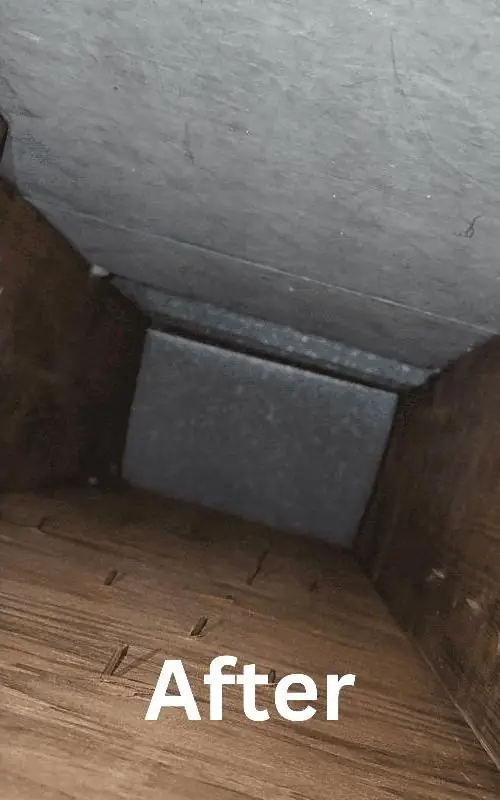
Professional dryer vent cleaning also allows for a visual inspection of the entire vent path, identifying crushed ducts, disconnected joints, or animal nesting problems that commonly go unnoticed until performance suffers.
Signs You May Have Improper Dryer Venting
A dryer that runs too hot or takes longer than expected to dry clothes usually means the venting isn’t done correctly. Also, if your laundry room is getting too hot or there is a lot of humid air in the room, it may also indicate improper venting. Flexible plastic or foil dryer ducts should be replaced immediately. In addition to being a fire hazard, improper venting can cause the thermal fuse in your dryer to blow many times, resulting in expensive repairs.
Conclusion
So, can you use flex duct for dryer vent? The answer is no for plastic or foil flex duct and yes, with caution for UL listed semi rigid aluminum flex duct in short runs. For all other cases, rigid metal duct is the safest and most efficient option.
For proper installation and peace of mind, rely on professionals like Green & Clean Home Services to assess, clean, or replace your dryer vent system. Their expert team ensures your home is protected from unnecessary risks while improving appliance performance and energy efficiency.