Many homeowners search how to repair a chimney after finding cracked bricks, missing mortar, water stains, or pieces of masonry around the fireplace. Understanding how to repair a chimney early can prevent expensive structural damage, improve fireplace performance, and help keep your home safe throughout every season. While some maintenance tasks are simple, larger repairs require professional knowledge because every part of the chimney works together to keep water, smoke, and dangerous gases moving in the right direction.
A chimney constantly faces rain, snow, freezing temperatures, strong winds, and changing weather conditions. These elements slowly wear down bricks, mortar joints, flashing, chimney caps, and chimney crowns. Small problems often remain hidden until water begins entering the masonry or leaks appear inside the home. By recognizing early warning signs and taking action quickly, homeowners can avoid major repairs while extending the life of the entire chimney system.
How to Repair a Chimney Starts with a Complete Inspection
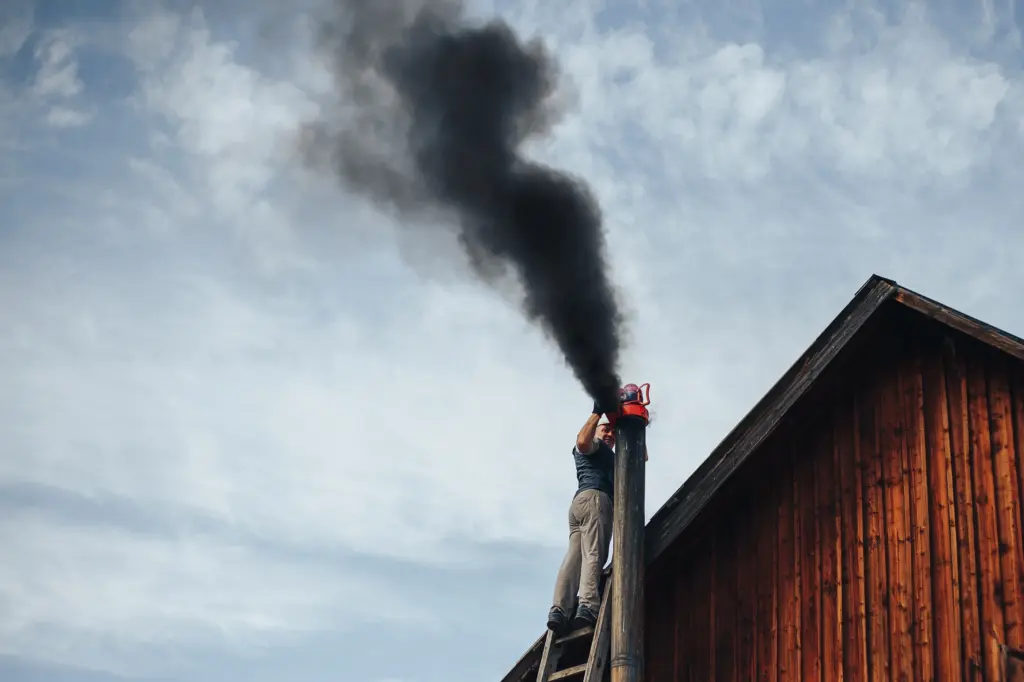
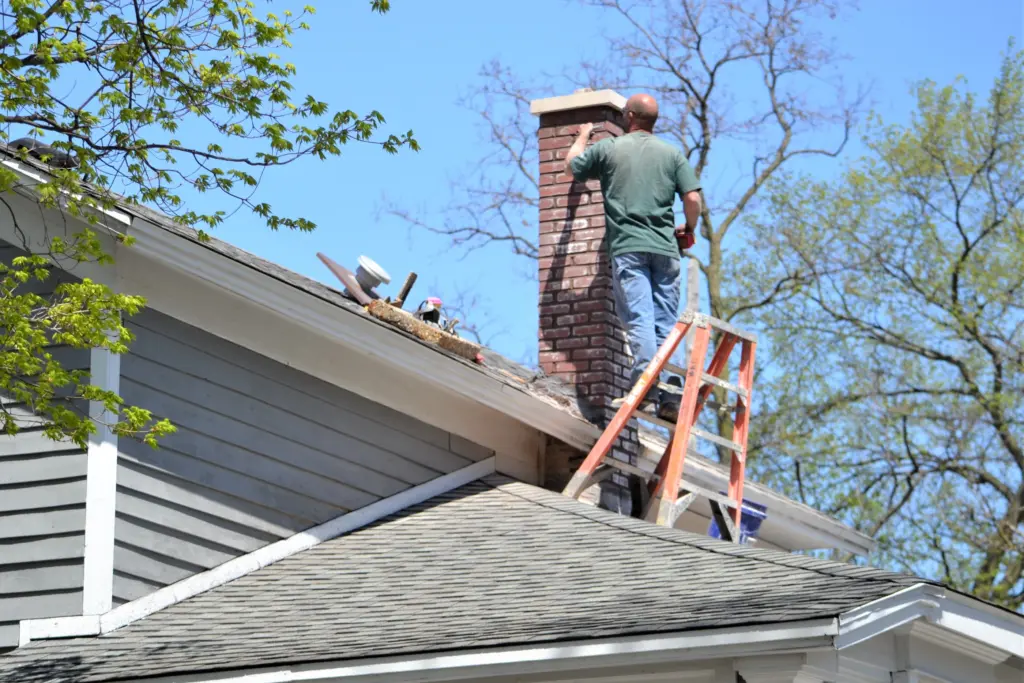
Before any repair begins, inspect every visible part of the chimney instead of focusing on one damaged area. Examine the brickwork, mortar joints, chimney crown, flashing, chimney cap, and the sections where the chimney meets the roof. Cracks, loose bricks, rust, missing mortar, and white stains called efflorescence usually indicate moisture problems that need attention. Water rarely damages only one component, so a complete inspection provides a much clearer picture of the chimney’s condition.
Safety should remain your priority during any inspection. Avoid climbing onto a steep roof without proper safety equipment. A pair of binoculars often allows homeowners to inspect upper chimney sections from the ground. If you notice leaning bricks, large cracks, loose masonry, or significant deterioration, arrange a professional chimney inspection before attempting any repairs. Experienced technicians can safely identify hidden structural damage that may not be visible during a basic inspection.
Recognize the Most Common Signs of Chimney Damage
Many chimney repairs begin after homeowners notice obvious warning signs around the fireplace or outside the home. Cracked mortar joints, broken bricks, water stains on nearby ceilings, damp odors, rust around the chimney cap, or loose pieces of brick all suggest that moisture has entered the chimney system. These problems rarely improve on their own. Instead, they continue spreading each time rainwater enters the masonry, and freezing temperatures cause trapped moisture to expand.
Smoke entering the room during a fire may also indicate chimney damage rather than a drafting problem alone. Damaged masonry, blocked flues, deteriorated chimney liners, or loose chimney caps can all affect airflow. Addressing these issues early not only protects the chimney structure but also improves fireplace performance and reduces potential safety hazards inside the home.
Repair Damaged Mortar Before Bricks Become Loose
One of the most common repairs homeowners face involves deteriorated mortar joints. Mortar slowly wears away after years of exposure to moisture and repeated freeze-thaw cycles. As the joints weaken, water begins entering deeper into the masonry and eventually loosens surrounding bricks. Repairing mortar while the damage remains limited helps preserve the structural strength of the chimney and prevents larger repairs later.
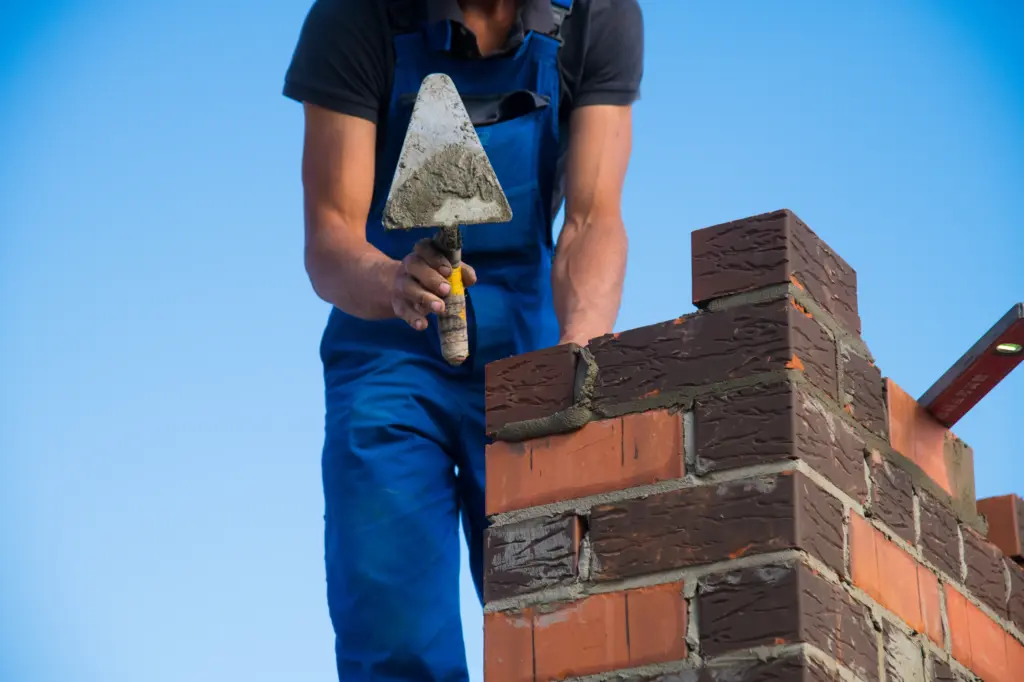
Professional chimney contractors usually restore damaged mortar through tuckpointing. During this process, deteriorated mortar is carefully removed before fresh mortar is installed to match the original appearance and strength of the chimney. Proper tuckpointing not only improves the appearance of the masonry but also restores the weather resistance needed to protect the chimney from future moisture damage.
Replace Cracked and Spalling Bricks Quickly
Bricks exposed to years of moisture often begin cracking or developing a condition known as spalling. Spalling occurs when the face of the brick begins breaking apart because trapped moisture freezes and expands repeatedly during cold weather. Once this process begins, the surrounding bricks often deteriorate much faster if repairs are delayed. Replacing damaged bricks early helps preserve the remaining masonry and prevents larger sections of the chimney from becoming unstable.
Matching replacement bricks is equally important. Using bricks with different moisture absorption rates or sizes can affect both appearance and long-term durability. Professional chimney technicians carefully select compatible materials that blend naturally with the existing masonry while maintaining the structural integrity of the chimney. High-quality repairs protect the chimney from future weather damage while restoring its original appearance.
How to Repair a Chimney Crown Before Water Damage Spreads
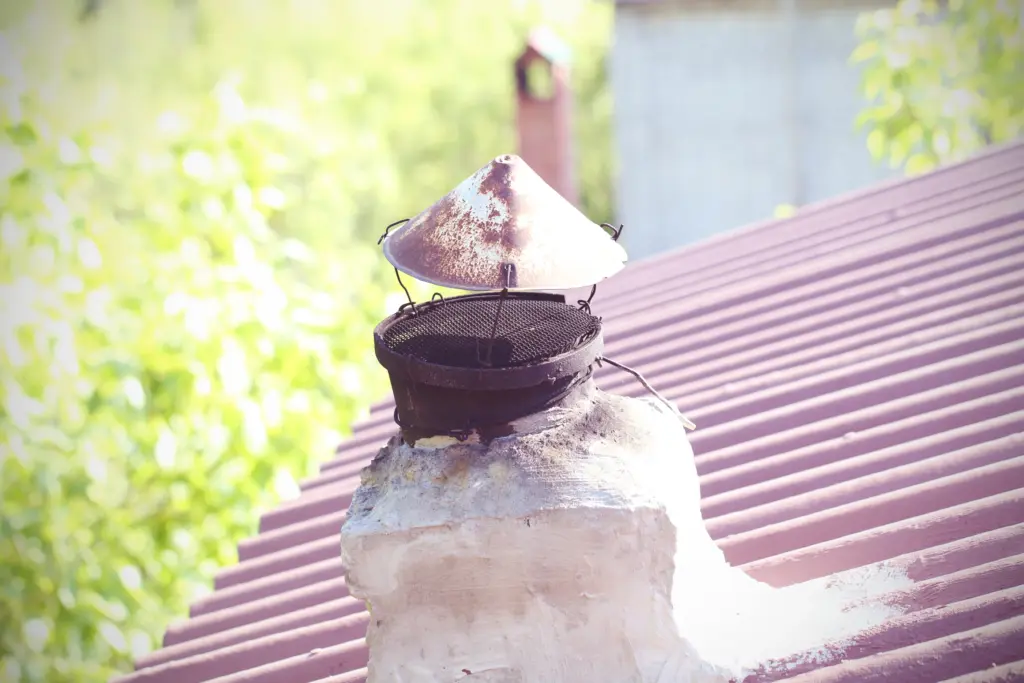
The chimney crown forms the protective concrete surface at the top of the chimney. Its primary purpose is directing rainwater away from the masonry below. Even small cracks in the crown allow moisture to enter the chimney structure, where it can damage bricks, mortar joints, chimney liners, and interior fireplace components. Learning how to repair a chimney includes inspecting the chimney crown regularly because this area often becomes the first point where water enters the system.
Minor cracks can sometimes be repaired using flexible crown repair products designed specifically for chimney applications. However, severely damaged crowns usually require complete replacement. A properly built chimney crown includes a smooth slope that directs water away from the chimney while allowing space around the flue tile for normal expansion and contraction. These design features greatly reduce future water damage and help the chimney last much longer.
How to Repair a Chimney Flashing and Chimney Cap
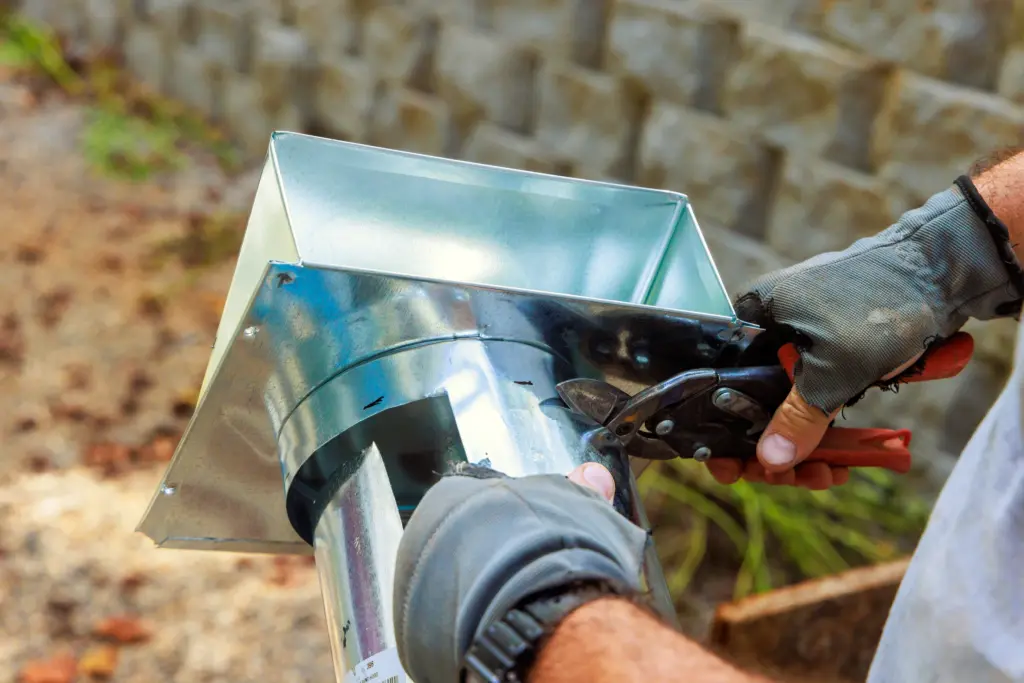
Many homeowners focus only on damaged bricks while overlooking the metal components that protect the chimney from water. Flashing seals the joint where the chimney meets the roof, while the chimney cap protects the flue opening from rain, animals, and debris. If either component fails, water can enter the chimney and roof structure, leading to expensive repairs inside and outside the home. Learning how to repair a chimney also means checking these protective parts during every inspection.
Damaged flashing often causes leaks that appear inside the attic or around the fireplace. Over time, sealants dry out, flashing pulls away from the masonry, or metal sections become bent after severe weather. Professional chimney technicians remove damaged flashing, install new weather-resistant materials, and seal every joint correctly to stop leaks before they spread. A properly installed chimney cap also prevents birds, squirrels, leaves, and rainwater from entering the flue while improving the overall lifespan of the chimney.
How to Repair a Chimney Safely Without Creating Bigger Problems
Although many homeowners want to know how to repair a chimney themselves, not every repair is suitable for a do-it-yourself project. Cleaning loose debris from around the fireplace or performing a visual inspection from the ground can usually be completed safely. However, climbing onto the roof, replacing bricks, repairing flashing, or rebuilding damaged masonry requires experience, proper tools, and fall protection. Attempting major chimney repairs without training can increase the risk of injury and create additional structural damage.
Professional chimney contractors inspect every part of the chimney before beginning repairs. Instead of replacing only the damaged bricks, they examine the chimney crown, flashing, mortar joints, chimney cap, flue liner, and surrounding masonry. This complete inspection helps identify hidden problems that may continue causing damage even after the visible repair has been completed. A comprehensive repair saves homeowners money by preventing repeat service calls and recurring water leaks.
Protect Your Chimney with Preventive Maintenance
Preventive maintenance remains the best way to reduce repair costs and extend the life of your chimney. Scheduling a professional chimney inspection once a year allows technicians to identify loose mortar, cracked bricks, damaged flashing, and early water intrusion before they become major structural problems. Small repairs completed early usually cost far less than rebuilding large sections of the chimney after years of neglect.
Waterproofing also provides valuable protection for masonry chimneys. Professional waterproofing products repel rainwater while allowing trapped moisture inside the brick to escape naturally. This breathable protection reduces freeze-thaw damage without trapping moisture inside the masonry. Combined with regular inspections and routine maintenance, waterproofing helps preserve both the appearance and structural integrity of the chimney throughout every season.
Why Professional Chimney Repairs Deliver Better Results
Learning how to repair a chimney helps homeowners understand the causes of chimney damage, but professional repairs often produce better long-term results. Experienced technicians understand how every chimney component works together and know how to identify hidden damage before it becomes visible. They also use specialized repair materials that match the original masonry and withstand changing weather conditions much better than temporary patch products available at home improvement stores.
Professional repairs also include a complete safety evaluation of the fireplace and chimney system. Technicians verify proper drafting, inspect the flue liner, examine the chimney cap, evaluate the flashing, and check the chimney crown before completing the repair. This thorough process gives homeowners confidence that the chimney operates safely while reducing the chance of future structural problems.
Trust Green & Clean Home Services
If you have been searching for how to repair a chimney, Green & Clean Home Services provides dependable chimney inspections, masonry repairs, chimney rebuilding, chimney crown repairs, flashing repairs, and fireplace services throughout Lake County, Cuyahoga County, Geauga County, Summit County, and Portage County. Our experienced technicians identify the source of the damage before recommending the most effective repair, helping homeowners protect both their chimney and their investment.
Whether your chimney needs minor masonry work or extensive structural restoration, our team delivers quality workmanship designed to last. Learn more about our Chimney Services, explore our complete home services at Green & Clean Home Services, or contact us through our Contact Page. For additional homeowner guidance, visit the Centers for Disease Control and Prevention for carbon monoxide safety information.
Final Thoughts
Knowing how to repair a chimney allows homeowners to recognize early warning signs before small problems become major structural repairs. Cracked mortar, damaged bricks, failing flashing, loose chimney caps, and deteriorated chimney crowns should all receive prompt attention because moisture can quickly spread throughout the chimney system. Acting early protects your fireplace, improves safety, and helps avoid much higher repair costs in the future.
If your chimney shows signs of deterioration, do not wait until water begins entering your home. Schedule a professional inspection with Green & Clean Home Services and let our experienced team determine the best repair solution. Investing in timely chimney maintenance today helps ensure your fireplace remains safe, efficient, and ready to provide reliable warmth for many years to come.