A damaged chimney is more than an eyesore. It can affect your fireplace’s safety, reduce your home’s value, and allow water to damage surrounding materials. Many homeowners notice loose bricks, cracked mortar, or water stains and immediately wonder, how much does chimney repair cost. The answer depends on the condition of the chimney, the type of repair required, and how quickly the problem receives professional attention.
Small repairs usually cost much less than major structural work. However, delaying repairs often allows moisture to spread through the masonry, making the project more expensive later. Understanding what influences chimney repair pricing helps homeowners plan ahead and avoid unnecessary damage. At Green & Clean Home Services, we help homeowners throughout Lake County, Cuyahoga County, Geauga County, Summit County, and Portage County keep their chimneys safe, efficient, and ready for every heating season. Professional inspections identify developing problems before they become major repairs.
What Determines Chimney Repair Costs?
No two chimneys experience the same type of damage. Every repair begins with a careful inspection because several factors affect the overall cost. The size of the chimney, the age of the masonry, weather exposure, and the extent of the damage all play important roles. A chimney with a few deteriorated mortar joints requires far less work than one with leaning brickwork or extensive water damage. Likewise, replacing a chimney cap costs significantly less than rebuilding the upper section of the chimney. Accessibility also affects labor costs. A chimney located on a steep roof or a multi-story home often requires additional safety equipment and more time to complete the repair properly.
Common Chimney Repairs That Affect Pricing
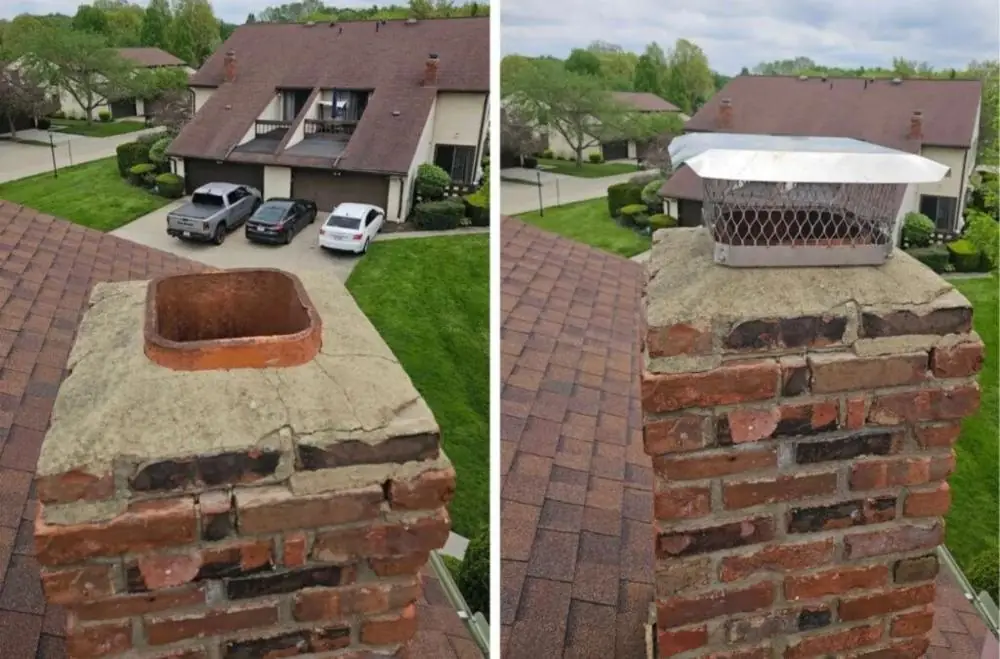
Several different components make up a chimney system. Damage to one area often leads to problems elsewhere if left untreated. Understanding the most common repairs helps homeowners understand where repair costs originate. Mortar joints naturally wear over time because they remain exposed to changing weather throughout the year. Tuckpointing replaces deteriorated mortar and restores the strength of the chimney while helping prevent water from entering the structure. Individual bricks may also crack or begin to deteriorate after years of exposure. Replacing damaged bricks keeps the chimney structurally sound while preserving its appearance.
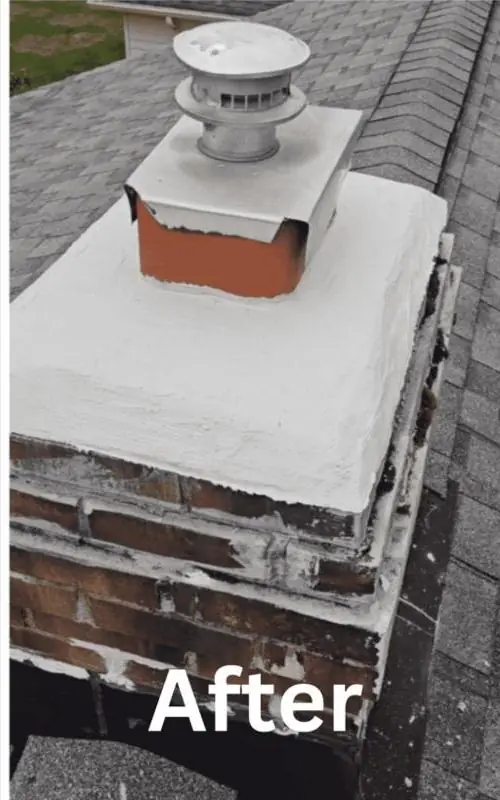
The concrete chimney crown deserves equal attention. Its job is directing water away from the chimney. Once cracks develop, rain and melting snow begin entering the masonry below. Repairing or rebuilding the crown often prevents thousands of dollars in future damage. Flashing repairs are another common service. Flashing seals the area where the chimney meets the roof. Damaged flashing frequently causes roof leaks that homeowners mistake for roofing problems when the chimney is actually responsible. Chimney caps also play a valuable role. They keep rain, birds, squirrels, and debris from entering the flue. Replacing a damaged cap is one of the most affordable repairs and often prevents much larger problems.
How Water Damage Changes Repair Costs
Water is responsible for many chimney repairs across Northeast Ohio. Masonry naturally absorbs moisture. During winter, that trapped water freezes and expands. Every freeze-thaw cycle creates additional stress inside the brick and mortar. What begins as a tiny crack often grows larger each season. Eventually bricks loosen, mortar falls away, and water reaches deeper parts of the chimney. Once moisture reaches the interior, repairs become more extensive and expensive. Water damage may also affect the chimney liner, flashing, crown, fireplace components, attic, or nearby drywall. Addressing small masonry problems early usually saves homeowners significant money over time.
Average Cost Expectations
Although every repair is unique, chimney repairs generally fall into three categories. Minor repairs usually involve simple maintenance, such as replacing a chimney cap, sealing small crown cracks, or repairing limited mortar joints. These repairs are typically the least expensive because they require fewer materials and less labor. Moderate repairs often include larger tuckpointing projects, brick replacement, flashing repairs, or crown reconstruction. These jobs require additional labor and specialized materials, making them more costly than routine maintenance. Major structural repairs include rebuilding damaged sections of the chimney or replacing severely deteriorated masonry. When structural movement or extensive water damage occurs, rebuilding may become the safest long-term solution.
Signs Your Chimney Needs Professional Repairs
Many chimney problems become visible long before complete failure occurs. Paying attention to these warning signs helps homeowners schedule repairs before damage spreads. Watch for cracked bricks, missing mortar, white staining on the chimney exterior, rust around the fireplace, damaged flashing, loose chimney caps, water inside the firebox, unpleasant odors, or pieces of brick on the ground near the chimney. A leaning chimney requires immediate professional evaluation because it may indicate structural movement or foundation issues. Smoke entering the living space instead of venting properly also signals a problem that deserves prompt attention.
Why Waiting Usually Costs More
Many homeowners postpone chimney repairs because the damage appears minor. Unfortunately, masonry rarely repairs itself. Instead, water continues entering every time it rains or snows. Months later, a simple mortar repair may become a partial rebuild. The longer moisture remains inside the masonry, the greater the chance it damages surrounding materials, including roof decking, framing, insulation, ceilings, and interior walls. This is one reason homeowners frequently ask how much does chimney repair cost after noticing leaks inside their homes. By then, the repair often extends beyond the chimney itself.
Should You Repair or Replace Your Chimney?
Many homeowners assume a damaged chimney always needs to be rebuilt. Fortunately, that is not always true. A professional inspection determines whether a repair will restore the chimney safely or if rebuilding offers the better long-term solution. Minor cracks, worn mortar, damaged flashing, and deteriorated chimney caps can often be repaired without replacing the entire structure. However, extensive structural damage, severe leaning, or widespread brick failure may require rebuilding part or all of the chimney. A qualified chimney technician evaluates the condition of the masonry, chimney liner, crown, flashing, and fireplace before recommending the most practical solution. Choosing repairs early often prevents much larger restoration projects later.
How Regular Chimney Inspections Save Money
The best way to reduce repair costs is by preventing major damage from developing in the first place. Annual chimney inspections allow professionals to identify small problems before they become expensive structural repairs. Routine inspections often reveal loose mortar, damaged flashing, cracked crowns, blocked flues, or chimney caps that need replacement. Addressing these issues early usually requires less labor and fewer materials than repairing years of accumulated damage. Regular maintenance also improves fireplace performance and helps protect your family by ensuring combustion gases leave the home safely.
Why Professional Chimney Repairs Matter
Although some homeowners consider repairing masonry themselves, chimney systems are far more complex than they appear. A proper repair involves much more than replacing a few bricks or applying fresh mortar. Professionals inspect the chimney liner, smoke chamber, firebox, flashing, crown, masonry joints, chimney cap, and overall structural stability before beginning repairs. This complete evaluation helps identify hidden problems that may otherwise remain unnoticed. Experienced technicians also use materials designed specifically for chimney construction. Matching mortar correctly, installing flashing properly, and rebuilding damaged masonry according to industry standards help ensure long-lasting repairs. Professional workmanship also reduces the chance of future water intrusion, structural movement, and safety hazards associated with damaged chimneys.
Chimney Repair Services in Northeast Ohio
Homes throughout Lake County, Cuyahoga County, Geauga County, Summit County, and Portage County experience harsh weather every year. Snow, freezing temperatures, heavy rain, and repeated freeze-thaw cycles place constant stress on chimney masonry. Green & Clean Home Services provides professional chimney inspections, chimney repairs, fireplace services, chimney cap replacement, masonry repairs, flashing repairs, and preventative maintenance throughout Northeast Ohio. Whether your chimney has cracked mortar, damaged bricks, water leaks, or visible deterioration, our experienced team can recommend the right repair before the damage becomes more expensive. Learn more about our professional chimney services by visiting our Chimney Services page. You can also explore our complete range of home services at Green & Clean Home Services.
Final Thoughts
Homeowners often ask how much does chimney repair cost because every chimney repair project is different. The final price depends on the type of damage, the affected components, the accessibility of the chimney, and how long the problem has existed. Minor repairs usually cost far less than rebuilding damaged sections after years of water exposure. Scheduling regular chimney inspections is one of the smartest investments you can make. Early detection allows technicians to repair small problems before they threaten the structural integrity of your chimney or create safety concerns inside your home.
If you notice cracked bricks, loose mortar, water stains, damaged flashing, or other warning signs, do not wait for the damage to spread. Green & Clean Home Services can inspect your chimney, explain the repairs your home needs, and provide an accurate estimate. Prompt repairs help protect your home, extend the life of your chimney, and keep your fireplace operating safely for years to come.