
Velvet upholstery adds luxury and sophistication to furniture, but it requires special care to maintain its plush texture and rich appearance. To clean velvet upholstery, regularly vacuum and brush the fabric, address spills immediately using gentle blotting techniques, and periodically refresh the material with light steam cleaning or professional upholstery care when needed.
Unlike many other upholstery fabrics, velvet is delicate and prone to crushing, staining, and wear. Understanding the proper cleaning methods can help preserve its softness, appearance, and durability for years to come.

Velvet Upholstery
Velvet is a soft, woven fabric made from materials such as cotton, silk, polyester, or synthetic blends. It has a dense pile that gives it its signature sheen and smooth feel. While beautiful, velvet can collect dust and show pressure marks more easily than other upholstery fabrics. Understanding the type of velvet used in furniture helps determine the best cleaning and maintenance methods.
Common types of velvet upholstery include:
- Cotton Velvet – Luxurious but prone to staining and crushing.
- Synthetic Velvet (Polyester or Acrylic Blends) – More durable and stain-resistant than natural velvet.
- Silk Velvet – Delicate and best suited for low-use furniture pieces.
- Performance Velvet – Engineered for durability and easier maintenance, making it ideal for high-traffic areas.
Why Velvet Requires Special Cleaning Methods
Velvet differs from many upholstery fabrics because of its dense pile construction. The soft fibers stand upright, creating the smooth texture and subtle sheen that make velvet so desirable. However, this same structure makes the fabric more vulnerable to crushing, matting, and visible pressure marks.
Unlike flat-woven fabrics, velvet can lose its appearance if cleaned too aggressively. Excessive scrubbing, harsh chemicals, or too much moisture may flatten the pile and alter the fabric’s texture. This is why homeowners researching how to clean velvet upholstery should always use gentle cleaning methods and avoid products that are not specifically designed for delicate fabrics.
The type of velvet also affects cleaning requirements. Synthetic velvet tends to be more forgiving, while cotton and silk velvet require additional care. Understanding these differences helps prevent accidental damage and extends the life of upholstered furniture.
Regular Maintenance for Velvet Upholstery
Routine care helps prevent dirt buildup and keeps velvet looking fresh. Using a soft-bristled brush or a velvet upholstery brush, gently brushing the fabric in the direction of the nap lifts dust and prevents matting. Vacuuming with a handheld attachment removes embedded dirt while avoiding excess pressure on the fabric.
Keeping velvet furniture out of direct sunlight helps prevent fading over time. Rotating cushions and lightly fluffing them maintain their shape and reduce uneven wear.
How Often Should Velvet Upholstery Be Cleaned?
The frequency of cleaning depends on how often the furniture is used. In busy households with children or pets, velvet furniture may require weekly vacuuming and regular brushing to prevent dirt from becoming embedded in the fibers.
For average households, vacuuming every one to two weeks and performing a more thorough inspection each month is usually sufficient. Seasonal deep cleaning can help remove accumulated dust and restore the fabric’s appearance before dirt begins to affect the pile.
Furniture located in high-traffic areas such as family rooms may require more attention than decorative pieces placed in formal living rooms. Maintaining a consistent cleaning schedule helps preserve the appearance of velvet and reduces the likelihood of stubborn stains developing over time.
Spot Cleaning Velvet Upholstery
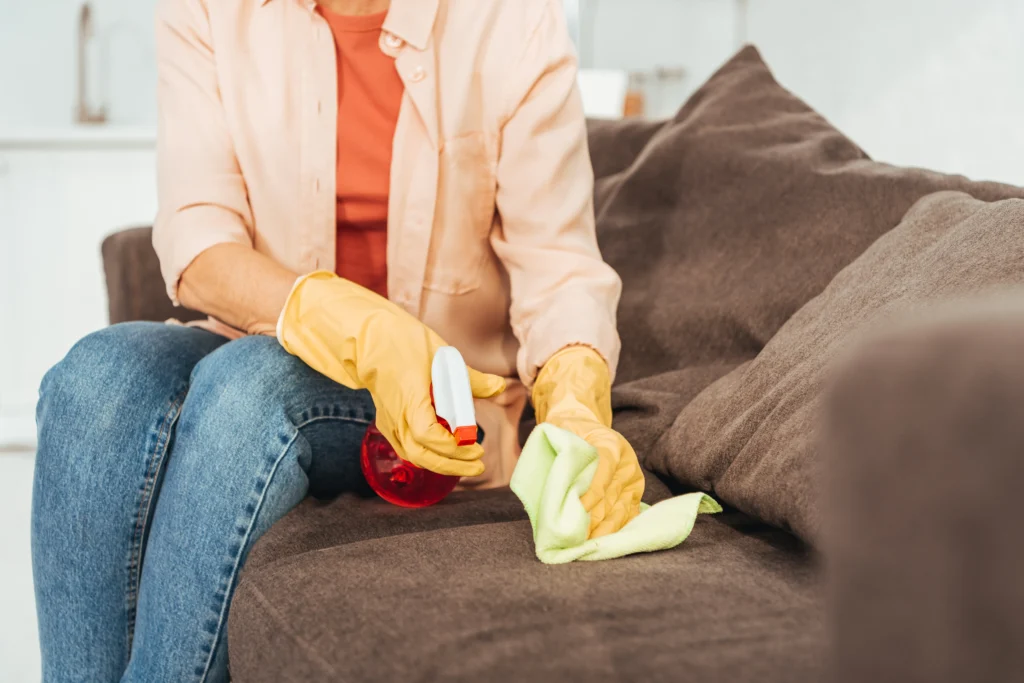
Spills should be addressed immediately to prevent stains from setting. Blotting liquid spills with a clean, absorbent cloth helps remove moisture without pressing the stain deeper into the fabric. Avoid rubbing, as this can damage the velvet’s pile.
For water-based stains, a mixture of mild dish soap and lukewarm water can be applied with a soft cloth. Gently dabbing the stain and allowing the area to air dry ensures that the fabric retains its original texture. Drying with a hairdryer on a low, cool setting while brushing the nap prevents flattening and water marks.
For oil-based stains, sprinkling cornstarch or baking soda over the affected area absorbs excess oil before vacuuming. A small amount of rubbing alcohol applied with a cloth can help lift stubborn stains, but testing on an inconspicuous area first ensures no discoloration.
Deep Cleaning Velvet Furniture
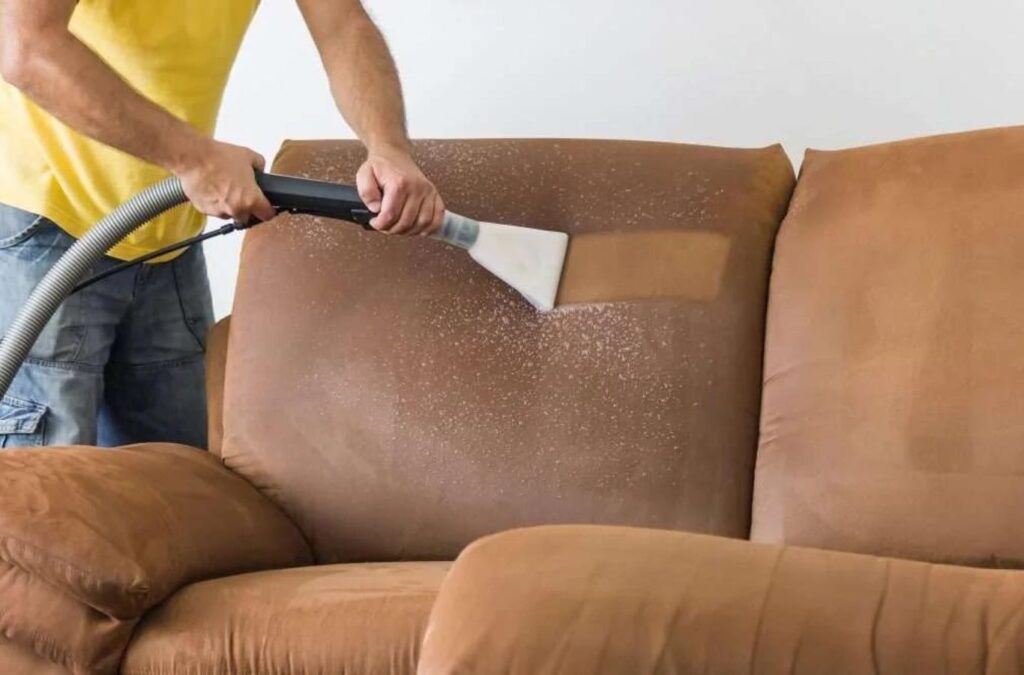
Over time, velvet upholstery benefits from deep cleaning to remove embedded dirt and restore its plush texture. Steam cleaning is one of the most effective methods for refreshing velvet furniture. Using a handheld garment steamer, lightly steaming the fabric while brushing in the direction of the nap revives the velvet’s softness.
For heavily soiled velvet upholstery, professional upholstery cleaning ensures a deep clean without the risk of fabric damage. Experts use gentle cleaning methods to preserve the fabric’s texture and prevent shrinking or discoloration.
When to Consider Professional Upholstery Cleaning
While routine maintenance can keep velvet upholstery looking its best, some situations require professional attention. Deep-set stains, extensive discoloration, pet-related odors, and heavily used furniture often benefit from specialized cleaning techniques that are difficult to replicate with household products.
Professional upholstery cleaning helps remove embedded dirt while preserving the texture and appearance of delicate velvet fabrics. For homeowners throughout Northeast Ohio, professional cleaning can be an effective way to extend the life of valuable furniture pieces and maintain a cleaner indoor environment.
Preventing Damage to Velvet Upholstery
To extend the life of velvet furniture, using protective measures helps prevent stains and fabric wear. Applying a fabric protector designed for velvet upholstery creates a barrier against spills while maintaining breathability. Using decorative throws or slipcovers in high-traffic areas reduces direct contact with the fabric, minimizing wear over time.
Common Mistakes to Avoid When Cleaning Velvet Upholstery
One of the most common mistakes homeowners make is scrubbing stains aggressively. Excessive rubbing can damage the velvet pile and leave permanent marks. Using excessive water can also create water spots or flatten the fabric.
Another mistake is applying harsh household cleaners that are not designed for upholstery fabrics. Always use gentle cleaning products and test them on an inconspicuous area first. Allowing spills to sit for extended periods can also make stains more difficult to remove and increase the likelihood of permanent discoloration.

Conclusion
Learning how to clean velvet upholstery properly helps preserve the beauty, softness, and longevity of your furniture. Regular maintenance, prompt stain treatment, and occasional deep cleaning can prevent premature wear while keeping velvet looking fresh and inviting. For heavily soiled furniture or delicate velvet fabrics that require specialized care, professional upholstery cleaning may be the safest option. Green & Clean Home Services provides upholstery cleaning solutions throughout Northeast Ohio, helping homeowners protect and maintain their furniture for years to come.