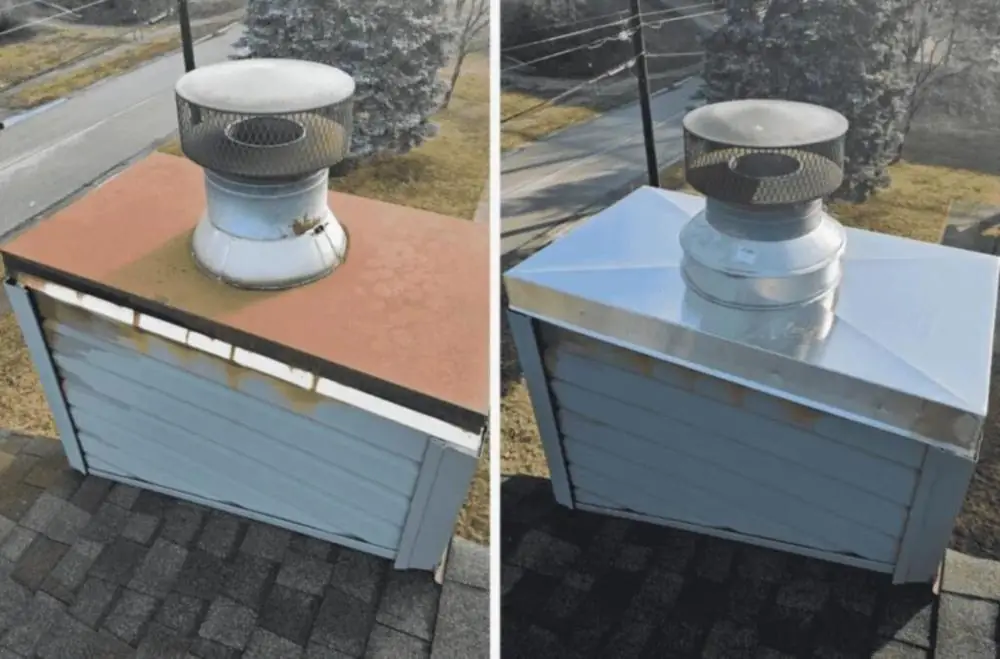
What is a chimney flue? It is the passage inside a chimney that safely carries smoke, heat, and combustion gases out of your home. Every wood burning or gas fireplace depends on a properly functioning flue to maintain safe ventilation and efficient operation. Understanding how a chimney flue works, why it matters, and how to maintain it can help prevent costly repairs while protecting your home and family.
What Is a Chimney Flue and How It Works
To fully understand what is a chimney flue, it is important to know its function. The flue is a vertical channel that directs smoke and combustion gases out of your fireplace and into the open air. Without it, smoke would remain inside your home, creating an unsafe environment. The flue works together with other chimney components, such as the damper and chimney cap, to ensure proper airflow and ventilation.
Why a Chimney Flue Is Important
The chimney flue plays a critical role in keeping your home safe. It prevents harmful gases like carbon monoxide from entering your living space. The Chimney Safety Institute of America (CSIA) recommends regular chimney inspections and proper flue maintenance to help ensure safe venting, improve fireplace performance, and reduce the risk of chimney fires.
Different Types of Chimney Flues
There are several types of chimney flues used in residential homes. Clay tile flues are commonly found in traditional masonry chimneys and are known for their durability. Metal flue liners, often made from stainless steel, are used in modern systems and provide excellent resistance to heat and corrosion. Cast in place liners are another option that offers added strength and insulation. Each type serves the same purpose but varies in material and installation method.
How the Chimney Flue Improves Airflow
One of the main functions of the flue is to create proper airflow. As hot air rises, it carries smoke and gases up through the flue and out of the chimney. This natural movement, known as draft, helps keep your fireplace operating efficiently. A well maintained flue ensures smooth airflow and prevents smoke from backing up into your home.
How Chimney Flue Size Affects Performance
The size of a chimney flue plays an important role in how well your fireplace operates. A flue that is too small can restrict airflow, causing smoke to back up into your home. On the other hand, a flue that is too large may not create enough draft, which can reduce efficiency and make it harder to maintain a steady fire. Proper sizing ensures that gases and smoke move smoothly through the chimney. This is why professional installation and inspection are important, as they ensure your flue is correctly sized for your specific fireplace system.
Modern building codes and fireplace manufacturers specify flue sizes based on the type of appliance and the amount of heat it produces. Matching the flue correctly to the fireplace allows combustion gases to move upward efficiently without creating excessive draft or restricting airflow. During inspections, professionals evaluate the flue dimensions, liner condition, and overall venting system to confirm that everything works together safely. Proper sizing not only improves fireplace performance but also helps reduce smoke problems and unnecessary creosote buildup.
Common Problems with Chimney Flues
Over time, chimney flues can develop problems that affect performance. Creosote buildup is one of the most common issues and can become a fire hazard if not removed. Cracks or damage to the flue liner can also reduce efficiency and allow heat to escape into surrounding structures. Blockages caused by debris or animal nests can restrict airflow. Identifying and addressing these issues early helps maintain a safe chimney system. Regular Chimney Cleaning helps remove creosote, soot, and other debris before they affect airflow or create fire hazards.
Signs Your Chimney Flue Needs Attention
Several signs indicate your chimney flue may need maintenance. A strong smoky smell, poor draft, or visible soot buildup are common warning signs. You may also notice difficulty starting a fire or smoke entering your home. These issues often point to problems within the flue that require inspection and cleaning.
Want a certified technician to look at yours? Estimates are free across Northeast Ohio. Request yours here or call (216) 446-2626.
The Role of the Damper in the Flue System
The damper is a key component that works with the chimney flue. It controls the opening and closing of the flue, allowing you to regulate airflow. When the damper is open, smoke can exit the chimney. When it is closed, it prevents drafts and heat loss. Proper use of the damper is essential for efficient fireplace operation.
Importance of Regular Flue Cleaning
Cleaning the chimney flue is an important part of chimney maintenance. Over time, soot and creosote accumulate inside the flue, reducing airflow and increasing fire risk. Regular cleaning removes these deposits and ensures the flue functions properly. Keeping the flue clean also improves efficiency and extends the life of your chimney system.
Professional Inspection and Maintenance
While basic maintenance can be done by homeowners, professional inspection is essential for identifying hidden issues. Experts use specialized tools to inspect the flue and ensure it is in good condition. Homeowners can rely on Green and Clean Home Services for professional chimney inspection and cleaning services. This ensures your chimney system remains safe and efficient. Our Chimney Inspection service helps identify damaged flue liners, drafting issues, and other hidden problems before they become serious safety concerns.
During chimney inspections, we often find cracked flue liners, heavy creosote buildup, or nesting materials that are difficult to detect without specialized equipment. Identifying these issues early helps prevent more extensive damage and improves fireplace safety.
How a Damaged Flue Affects Safety
A damaged flue can create serious safety risks. Cracks or gaps in the liner can allow heat and gases to escape into surrounding structures, increasing the risk of fire. Poor ventilation can also lead to carbon monoxide buildup. Addressing damage quickly helps prevent these hazards and keeps your home safe.
How to Maintain Your Chimney Flue
Maintaining your chimney flue involves regular inspections, cleaning, and proper use of your fireplace. Using seasoned wood reduces creosote buildup, while routine maintenance ensures the system remains in good condition. Taking these steps helps prevent problems and ensures your chimney operates efficiently.
Benefits of a Well Maintained Flue
A properly maintained flue also helps your fireplace burn fuel more efficiently by maintaining a consistent draft. Better airflow allows fires to burn cleaner, reduces smoke inside the home, and minimizes creosote accumulation over time. These benefits improve comfort while reducing unnecessary wear on the chimney system. Homeowners throughout Lake, Cuyahoga, Geauga, Summit, and Portage Counties often schedule chimney inspections before winter to confirm that the flue is clean, structurally sound, and ready for regular fireplace use.
Final Thoughts
What is a chimney flue? It is the part of your chimney that safely removes smoke, heat, and combustion gases while supporting proper fireplace performance. Throughout this guide, we’ve explained how the flue works, why proper sizing and maintenance matter, and the warning signs that indicate professional attention may be needed. Regular inspections and cleaning help keep the entire chimney system operating safely and efficiently.
If your chimney is due for an inspection or cleaning, Green & Clean Home Services is here to help. We proudly provide professional chimney services throughout Northeast Ohio. Visit our Fireplace Services page or contact us to schedule an appointment with our experienced team.