
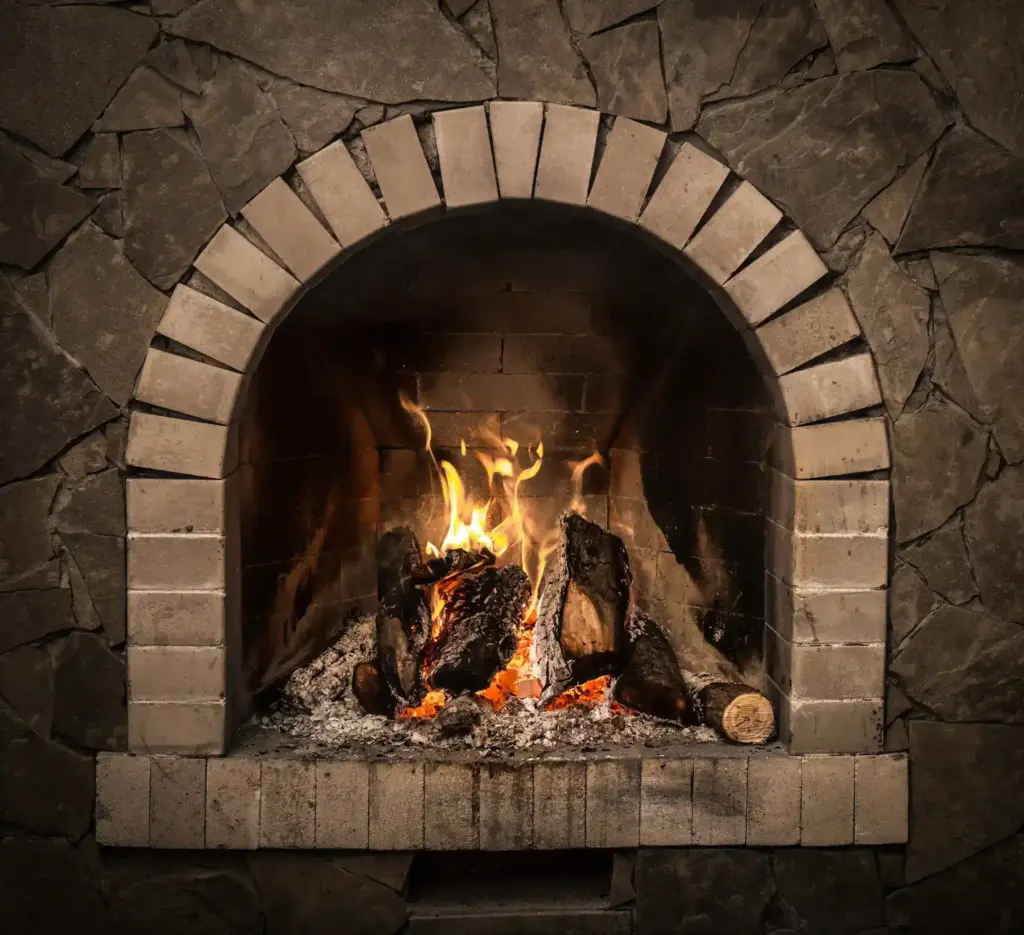
A masonry fireplace is one of the most recognizable and traditional fireplace designs found in homes, yet many homeowners are not fully sure what separates it from other fireplace types. The question what is masonry fireplace usually comes up when someone owns an older home, plans a renovation, or compares fireplace options for performance and longevity. A masonry fireplace is built directly into the structure of the home using brick, stone, concrete, or block, rather than being manufactured as a prefabricated unit. This construction method gives masonry fireplaces their solid appearance and long lifespan, but it also creates specific maintenance and safety considerations.
How Masonry Fireplaces Are Built
Masonry fireplaces are constructed on site, often during the original build of the home. Skilled masons assemble the firebox, smoke chamber, flue, and chimney using materials designed to withstand high heat. Because the fireplace becomes part of the home’s structure, it rests on a foundation that supports its weight. This construction approach explains why masonry fireplaces feel substantial and permanent compared to factory built alternatives.
When homeowners ask what is masonry fireplace, they are often surprised to learn how much of the system extends beyond what they see in the living room. The visible firebox and hearth represent only a portion of the fireplace. Behind the walls and above the ceiling, the chimney system guides smoke and combustion gases safely outside. Each section must work together for the fireplace to operate correctly.
Why Masonry Fireplaces Feel Different Than Other Types
One of the most noticeable characteristics of a masonry fireplace is how it retains heat. Brick and stone absorb warmth during a fire and release it slowly after the flames die down. This creates a steady, radiant heat that many homeowners enjoy. The mass of the materials contributes to this effect, making masonry fireplaces feel warm long after use.
Homeowners exploring what is masonry fireplace often compare this experience to metal or prefabricated units, which cool down more quickly. While masonry fireplaces offer a classic feel, they are generally less efficient at heating an entire home. Much of the heat escapes through the chimney, especially if the damper or flue does not seal properly.
The Role of the Chimney in a Masonry Fireplace
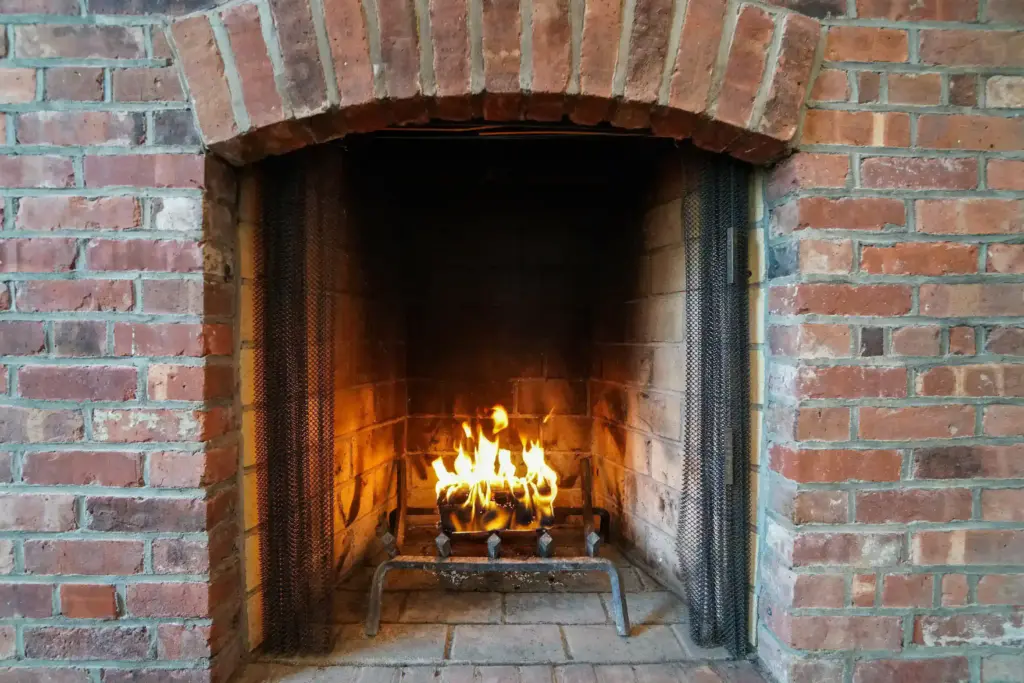
The chimney is an essential part of any masonry fireplace. It creates the draft that pulls smoke upward and out of the home. Proper draft depends on chimney height, flue size, and interior condition. If any part of this system becomes blocked or damaged, performance and safety suffer.
Understanding what is masonry fireplace also means understanding that the chimney requires regular inspection and maintenance. Creosote buildup, cracked liners, and moisture damage affect masonry chimneys over time. Because masonry absorbs moisture easily, small issues can grow into larger structural problems if ignored.
Firebox and Smoke Chamber Design
The firebox is the area where the fire burns, and in masonry fireplaces it is lined with firebrick. These bricks resist extreme heat and protect the surrounding structure. Above the firebox sits the smoke chamber, which funnels smoke into the flue. The shape and smoothness of the smoke chamber directly influence draft performance.
When homeowners ask what is masonry fireplace, they rarely consider the smoke chamber, yet it plays a major role in how well the fireplace operates. Poorly shaped or deteriorated smoke chambers disrupt airflow and increase smoke spillage into the home. Professional evaluation helps identify these hidden issues.
Common Maintenance Needs
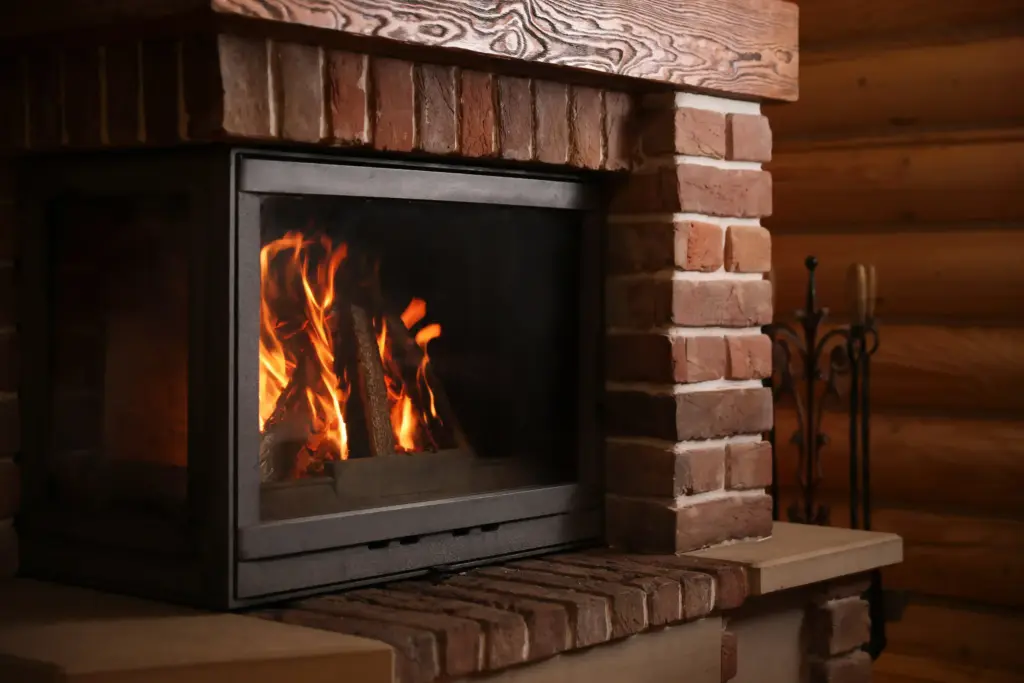
Masonry fireplaces require ongoing care to remain safe and functional. Creosote builds up inside the flue with each fire, especially when burning wood. This residue is flammable and increases the risk of chimney fires if not removed. The Chimney Safety Institute of America recommends regular inspection and cleaning to reduce these risks.
Moisture is another concern. Rainwater, condensation, and melting snow can penetrate masonry and weaken mortar joints. Over time, this damage compromises the chimney’s stability. Homeowners who understand what is masonry fireplace recognize that maintenance protects both safety and the structure itself.
Safety Considerations Unique to Masonry Fireplaces
Masonry fireplaces are durable, but they are not immune to wear. Cracks in the firebox or flue liner allow heat to reach combustible framing. Draft problems can cause smoke or carbon monoxide to enter living spaces. These issues often develop slowly, which makes professional inspection critical.
The Environmental Protection Agency highlights the importance of proper ventilation for combustion appliances. Masonry fireplaces rely entirely on chimney draft, so maintaining clear and intact pathways remains essential for indoor air quality.
How Masonry Fireplaces Compare to Prefabricated Units
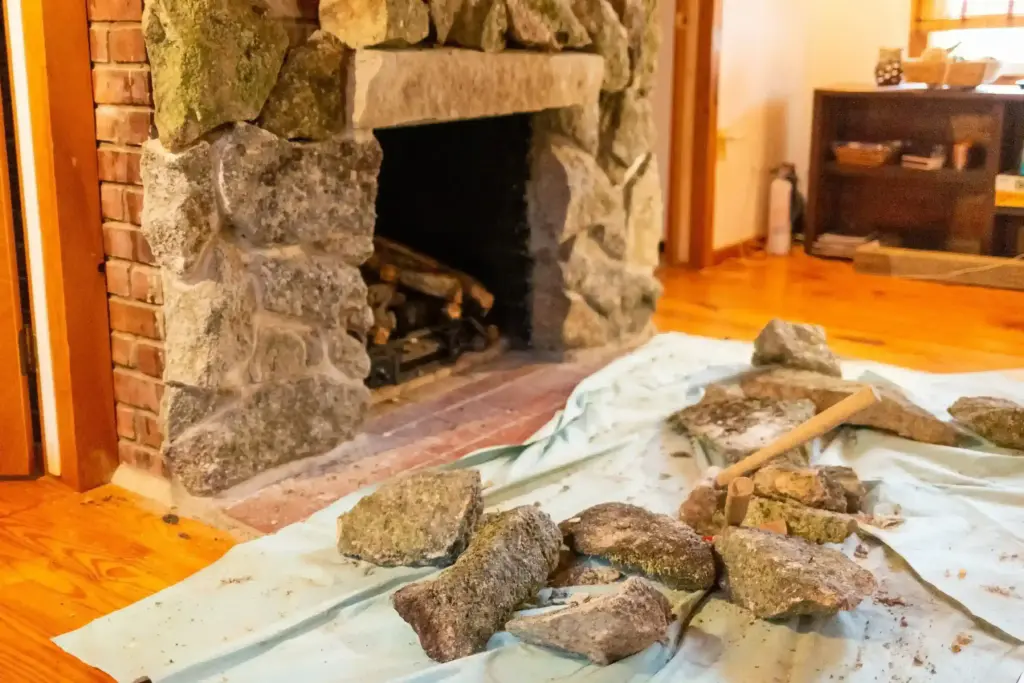
Unlike factory built fireplaces, masonry fireplaces do not rely on metal fireboxes or lightweight chimneys. Their strength comes from mass and material thickness. This difference affects installation, performance, and maintenance. Masonry fireplaces last longer when properly cared for, but they also require more attention over time.
Homeowners researching what is masonry fireplace often weigh tradition against efficiency. While masonry offers visual appeal and longevity, prefabricated systems often provide better heating efficiency and easier installation. Each option suits different priorities and home designs.
Why Professional Inspection Matters
Because masonry fireplaces involve multiple hidden components, visual inspection alone is not enough. Professional chimney inspections assess the flue liner, smoke chamber, and structural integrity. These evaluations identify issues before they create safety hazards.
Homeowners benefit from understanding the condition of their fireplace rather than assuming it remains safe because it looks solid. Asking what is masonry fireplace often leads to the realization that age and use affect even the most durable systems.
Modern Use of Masonry Fireplaces
Many homeowners continue to enjoy masonry fireplaces for ambiance rather than primary heat. Gas inserts or wood inserts are sometimes added to improve efficiency while preserving the original structure. These upgrades require careful evaluation to ensure compatibility with the existing chimney.
Modern codes and safety standards influence how masonry fireplaces are used today. Professional guidance ensures upgrades meet current requirements and maintain safe operation.
Final Thoughts on Masonry Fireplaces
A masonry fireplace is a built in, structural fireplace made from brick, stone, or concrete, designed to vent through a chimney. Understanding what is masonry fireplace helps homeowners appreciate both its benefits and responsibilities. While these fireplaces offer timeless appeal and durability, they depend on proper maintenance and inspection to remain safe.
If you own a masonry fireplace or want to evaluate its condition, visit our Fireplace Services page or contact us to schedule an inspection. Green & Clean Home Services supports homeowners across Northeast Ohio with expert fireplace care and guidance.