Brick chimneys add character and durability to a home, but they also require proper care to remain safe and functional. Many homeowners search for guidance when they notice dark staining, soot marks, or changes in fireplace performance, which leads them to ask how to clean brick chimney the right way. The challenge is that chimney cleaning means very different things depending on what part of the chimney you are talking about. Exterior brick maintenance, interior firebox care, and flue cleaning all serve different purposes, and confusing them can create safety risks.
What “Cleaning” a Brick Chimney Really Means
When professionals talk about cleaning a brick chimney, they are usually referring to removing soot and creosote from inside the flue. This process directly affects fire safety and airflow. Homeowners, however, often think first about visible brick surfaces, such as exterior staining or soot around the fireplace opening. While those areas matter for appearance, they represent only a small part of overall chimney care.
Understanding how to clean brick chimney starts with recognizing that the most important cleaning happens where you cannot see it. The flue, smoke chamber, and firebox collect combustion byproducts every time the fireplace is used. These hidden areas determine whether the chimney vents properly and whether it poses a fire risk.
Why Brick Chimneys Get Dirty in the First Place
Brick is a porous material, which means it absorbs moisture, smoke particles, and airborne debris. On the exterior, weather exposure leads to dark streaks, white staining known as efflorescence, and gradual discoloration. Inside the chimney, smoke deposits soot and creosote along the brick and liner surfaces.
Homeowners researching how to clean brick chimney often notice staining after heavy fireplace use or following periods of damp weather. Moisture plays a major role because it helps particles cling to brick surfaces. Over time, this buildup becomes more difficult to remove and increases the importance of proper maintenance.
Exterior Brick Cleaning Versus Interior Chimney Cleaning
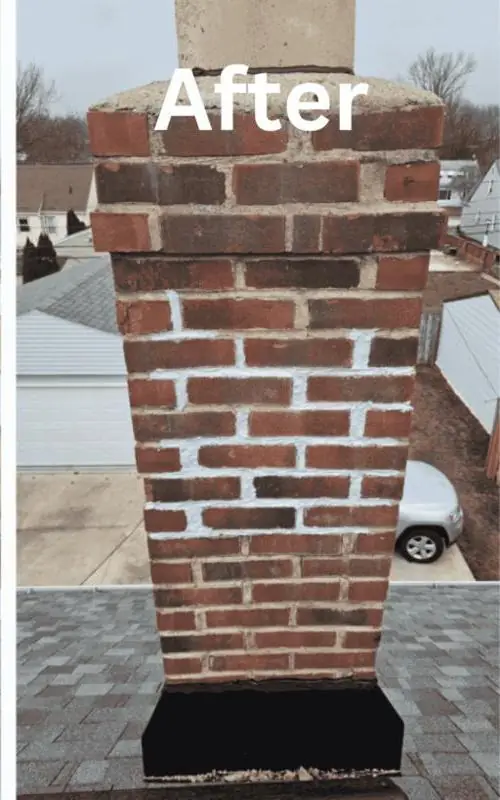
Exterior brick cleaning focuses on appearance and weather protection. It addresses soot stains, moss growth, and mineral deposits caused by moisture migration. While this type of cleaning improves curb appeal, it does not address what happens inside the chimney system.
Interior chimney cleaning is a safety service. It removes creosote, soot, and blockages from the flue and firebox. Creosote is highly flammable and remains the leading cause of chimney fires. When homeowners ask how to clean brick chimney, it is important to understand that interior cleaning requires specialized equipment and training and should only be handled by professionals.
Why Flue Cleaning Is Not a DIY Task
Cleaning inside a brick chimney involves more than brushing visible surfaces. The flue extends upward through the structure of the home, often beyond reach without professional tools. Improper cleaning can damage flue liners, loosen mortar joints, or leave dangerous residue behind.
Many homeowners underestimate how much buildup occurs above the damper area. This leads to a false sense of safety when only the firebox appears clean. The Chimney Safety Institute of America emphasizes that proper chimney cleaning requires full flue access and inspection. Understanding how to clean brick chimney responsibly means knowing when professional service is required.
Signs a Brick Chimney Needs Professional Cleaning
Several warning signs indicate that a chimney needs attention. Strong smoke odors, poor draft, visible soot falling into the fireplace, or dark residue around the damper all suggest internal buildup. Exterior brick staining combined with interior odors may also signal moisture problems affecting the chimney system.
Homeowners who notice these signs often ask how to clean brick chimney because the issues seem cosmetic at first. In reality, these symptoms often point to deeper conditions that require professional evaluation and cleaning to restore safe operation.
The Role of Moisture in Brick Chimney Problems
Moisture affects brick chimneys more than many homeowners realize. Rain, snow, and condensation penetrate masonry and interact with soot and creosote. This combination accelerates deterioration and increases staining. Inside the flue, moisture helps creosote harden and cling to surfaces.
The Environmental Protection Agency highlights the importance of controlling moisture in combustion systems to protect indoor air quality. In brick chimneys, moisture control and cleaning work together to maintain both safety and structure.
Want a certified technician to look at yours? Estimates are free across Northeast Ohio. Request yours here or call (216) 446-2626.
Why Regular Cleaning Protects Brick Structures
Routine chimney cleaning helps preserve the brick and mortar that make up the chimney. Creosote and acidic byproducts gradually weaken masonry when left untreated. Over time, this leads to cracking, spalling, and mortar erosion.
Homeowners who understand how to clean brick chimney from a maintenance perspective see cleaning as a way to protect their investment. Removing harmful buildup reduces long term damage and helps the chimney last decades longer.
Professional Cleaning Includes Inspection
Chimney cleaning and inspection go hand in hand. During professional service, technicians evaluate the flue liner, smoke chamber, firebox, and masonry condition. This inspection identifies cracks, blockages, and moisture damage before they create safety hazards.
Inspection also ensures the chimney vents correctly after cleaning. A clean flue without proper draft still poses risks. This is why professional chimney services focus on performance as well as cleanliness.
Why Surface Cleaning Alone Can Be Misleading
Cleaning visible brick around the fireplace opening can improve appearance, but it may hide underlying issues. A firebox can look clean while the flue above remains heavily coated with creosote. This false sense of security leads some homeowners to delay professional cleaning.
Understanding how to clean brick chimney properly includes recognizing that surface appearance does not reflect internal safety. True chimney cleaning addresses what cannot be seen from the living room.
How Often Brick Chimneys Should Be Cleaned
Cleaning frequency depends on fireplace use, fuel type, and moisture exposure. Wood burning fireplaces typically require more frequent cleaning than gas systems. Chimneys used regularly during winter should be inspected annually.
Professional inspection determines whether cleaning is needed based on actual buildup rather than time alone. This approach avoids unnecessary service while ensuring safety.
Why Professional Chimney Cleaning Makes Sense
Professional chimney cleaning uses equipment designed to remove creosote safely without damaging masonry. Technicians contain debris, protect interior spaces, and ensure complete removal throughout the flue.
Homeowners who ask how to clean brick chimney often reach the conclusion that professional service provides peace of mind. Safety, thoroughness, and long term protection outweigh the risks of attempting incomplete or improper cleaning.
Conclusion
Cleaning a brick chimney involves more than improving appearance. It protects against fire risk, moisture damage, and structural deterioration. Understanding how to clean brick chimney means knowing which tasks homeowners can observe and which require professional care.
If your brick chimney shows signs of buildup, staining, or performance issues, professional evaluation provides clarity. Visit our Chimney Services page or contact us to schedule service. Green & Clean Home Services helps homeowners across Northeast Ohio maintain safe, reliable chimneys through expert cleaning and inspection.