How do you fix a leaking chimney? The right repair depends on where the leak starts and how much damage water has already caused. Common problems include damaged flashing, cracked chimney crowns, deteriorated mortar joints, and porous masonry that allows moisture to enter. Identifying the source of the leak before making repairs is the most effective way to protect your chimney and prevent more expensive damage.
Why Chimneys Leak in the First Place
Chimneys stand exposed to rain, snow, and freezing temperatures year after year. Moisture slowly finds its way into small gaps, and once inside, it expands and contracts with temperature changes. Over time, this cycle causes cracks that let even more water through. The result is interior staining, odor, or masonry deterioration that worsens with each season. Homeowners who ask how do you fix a leaking chimney often notice early signs such as damp spots on ceilings near the fireplace or white mineral deposits called efflorescence on the exterior. These signals show that water has started seeping into the structure and needs prompt professional attention.
Water intrusion rarely happens from one single source. It can enter from the top where rainwater lands directly on the crown, around the sides where metal flashing meets roofing material, or even through tiny cracks in mortar joints. Pinpointing the leak’s origin requires a trained eye, specialized tools, and an understanding of how chimney systems work together with the rest of the home’s roof.
Common Entry Points for Moisture
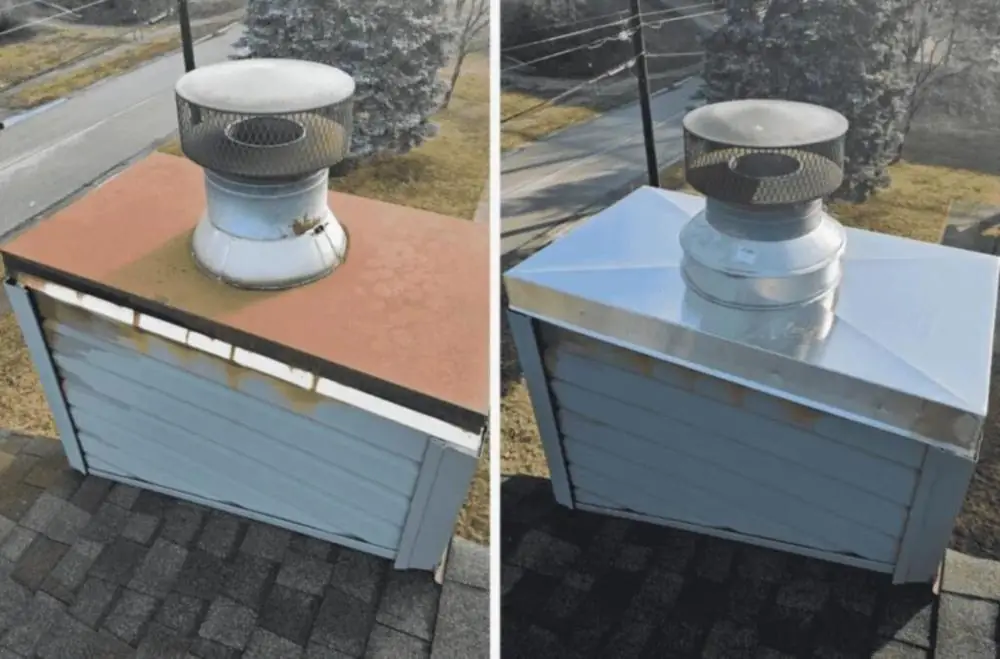
Several areas of a chimney are more vulnerable to leaks than others. The flashing, a thin sheet of metal that seals the joint between the chimney and the roof, is one of the most common trouble spots. When it loosens or corrodes, rainwater can slip underneath and travel along the roofline before appearing inside walls or ceilings. The crown, a concrete cap at the top of the chimney, can also crack from exposure to sun and freezing temperatures. Once cracked, it allows water to soak into the brickwork beneath. The mortar joints that hold bricks together can deteriorate over time as well, creating gaps that act like small channels for moisture.
Understanding these weak points is key to determining how do you fix a leaking chimney properly. Replacing flashing requires precise sealing where the roof meets the chimney, while crown repairs need weather resistant materials designed to withstand thermal stress. Masonry cracks may require tuckpointing or a full water repellent treatment to stop further deterioration. In each case, the repair must address the root cause, not just the visible damage, to prevent future leaks. Regular Chimney Inspection services help identify these problems before they develop into costly structural repairs.
Professional Evaluation Before Repair
Before any repair begins, a professional inspection identifies exactly where water is entering. Technicians examine both the interior and exterior using moisture meters and cameras to trace leaks from their source. They check for damaged crowns, rusted flashing, loose bricks, and blocked gutters that may divert water toward the chimney.
At Green & Clean Home Services, our trained professionals use proven diagnostic techniques to locate and address leaks accurately. We never rely on guesswork or quick fixes because improper sealing can push moisture deeper into the masonry. Instead, we identify the cause, develop a complete repair plan, and use materials that meet current building codes and safety standards. This careful process ensures lasting protection against future water intrusion.
During chimney inspections, we frequently discover water entering through multiple locations at the same time. A visible crack may not be the only source of the leak, which is why a complete inspection is essential before any repair work begins.
Repairing Flashing and Crown Damage
Flashing repair often requires removing worn sections and reinstalling new metal with durable sealants that stay flexible in changing weather. This creates a watertight seal where the chimney meets the roof. The crown, on the other hand, needs a specialized waterproof cement mixture designed to resist cracking and temperature swings. When crowns become severely damaged, rebuilding may be necessary to prevent leaks from returning. These tasks involve working at height and around roofing materials, so they should only be performed by qualified professionals who follow proper safety procedures and local building regulations.
Homeowners sometimes attempt to patch these areas with caulking or roof cement, but such temporary fixes rarely last. These materials cannot expand and contract the way professional compounds do, leading to premature failure. Understanding how do you fix a leaking chimney the right way means focusing on long term solutions that strengthen the structure rather than temporary patches that mask the symptoms.
Want a certified technician to look at yours? Estimates are free across Northeast Ohio. Request yours here or call (216) 446-2626.
Addressing Brick and Mortar Deterioration
Over time, water and weather erode the mortar joints that hold chimney bricks together. When this happens, the bricks absorb more moisture, accelerating decay. The process known as tuckpointing replaces damaged mortar with new material that seals gaps and restores strength. In some cases, applying a breathable water repellent coating helps protect the masonry from further absorption while allowing trapped moisture to escape. This prevents pressure buildup that can cause spalling or surface flaking. Regular maintenance of the mortar and brickwork is one of the most effective ways to avoid future leaks and extend the life of the chimney.
The Environmental Protection Agency (EPA) notes that moisture infiltration can contribute to indoor air quality issues when left unaddressed. Damp materials can support the growth of mold or mildew inside walls. Keeping the chimney dry and sealed not only preserves its structure but also helps maintain a healthier living environment for the entire household. If creosote buildup or debris is also present, our Chimney Cleaning service helps restore safe airflow while supporting the long term performance of the chimney system.
Waterproofing and Preventive Care
After repairs, waterproofing the exterior surface adds a layer of protection. Professional grade sealants designed for masonry create a barrier that repels water without trapping moisture inside the bricks. This treatment extends the effectiveness of flashing, crowns, and mortar repairs. Professionals typically apply these coatings only after confirming that all cracks and gaps are properly sealed. This step prevents water from finding alternate paths into the chimney and ensures that repairs last through multiple seasons of harsh weather.
Knowing how do you fix a leaking chimney includes understanding how to prevent future leaks as well. Routine inspections once a year allow experts to detect early signs of wear and apply maintenance before water damage reappears. Homeowners who keep up with professional care save time, money, and frustration by avoiding extensive masonry restoration later.
Homeowners should also understand that waterproofing products are designed to protect sound masonry rather than repair existing damage. Applying a water repellent over cracked mortar or damaged bricks will not stop leaks and may allow hidden deterioration to continue. Professional chimney technicians repair structural defects first and apply breathable waterproofing products only after confirming that the masonry is in good condition. This approach provides longer lasting protection while allowing trapped moisture to escape naturally, reducing the risk of future damage.
Interior Damage and Moisture Control
Leaks that persist over time can stain interior ceilings or walls near the fireplace. These marks indicate that water has traveled beyond the chimney’s exterior and into living spaces. Once the source of the leak is repaired, damaged drywall or plaster may need replacement. Moisture trapped inside walls can take weeks to dry completely, so dehumidifiers and ventilation may be required. Professionals trained in chimney repair often coordinate with restoration specialists to ensure all affected materials are safely dried and sealed. This comprehensive approach prevents recurring dampness and the musty odor often associated with long term leaks.
In colder climates, freeze and thaw cycles can make leaks worse if not repaired quickly. Water expands when it freezes, forcing cracks wider each season. Over time, this process weakens both the chimney and the roof structure. Prompt repair keeps these problems from spreading and preserves the integrity of the entire home.
When to Call a Professional
Any sign of moisture near the chimney should prompt a professional inspection. Attempting to repair a leak without proper training or equipment can worsen the damage or create new entry points for water. Certified technicians use ladders, harnesses, and sealing compounds that meet building code requirements for high temperature and exterior use. At Green & Clean Home Services, our specialists inspect every part of the chimney system to ensure all components work together as intended. We provide detailed recommendations and repair options tailored to your specific home and environment.
If you suspect a leak, do not wait until visible damage appears inside the home. Water travels unpredictably, and by the time stains or odors show up, the problem has likely spread. Contact professionals as soon as possible to diagnose and correct the issue safely. The sooner action is taken, the more affordable and effective the repair will be.
Many homeowners throughout Lake, Cuyahoga, Geauga, Summit, and Portage Counties schedule chimney inspections after heavy rain or before winter arrives. Addressing small leaks early helps prevent freeze and thaw damage during Ohio’s colder months.
Conclusion: Lasting Protection Starts With Expertise
How do you fix a leaking chimney? The first step is identifying exactly where water is entering the system. Throughout this guide, we’ve explained the most common causes of chimney leaks, how professional repairs address flashing, crowns, mortar joints, and masonry, and why routine inspections help prevent future damage. Acting early protects both the chimney and the rest of your home from costly moisture problems.
If your chimney shows signs of leaking, Green & Clean Home Services is ready to help. Visit our Chimney Services page or contact us to schedule a professional inspection anywhere in Northeast Ohio.