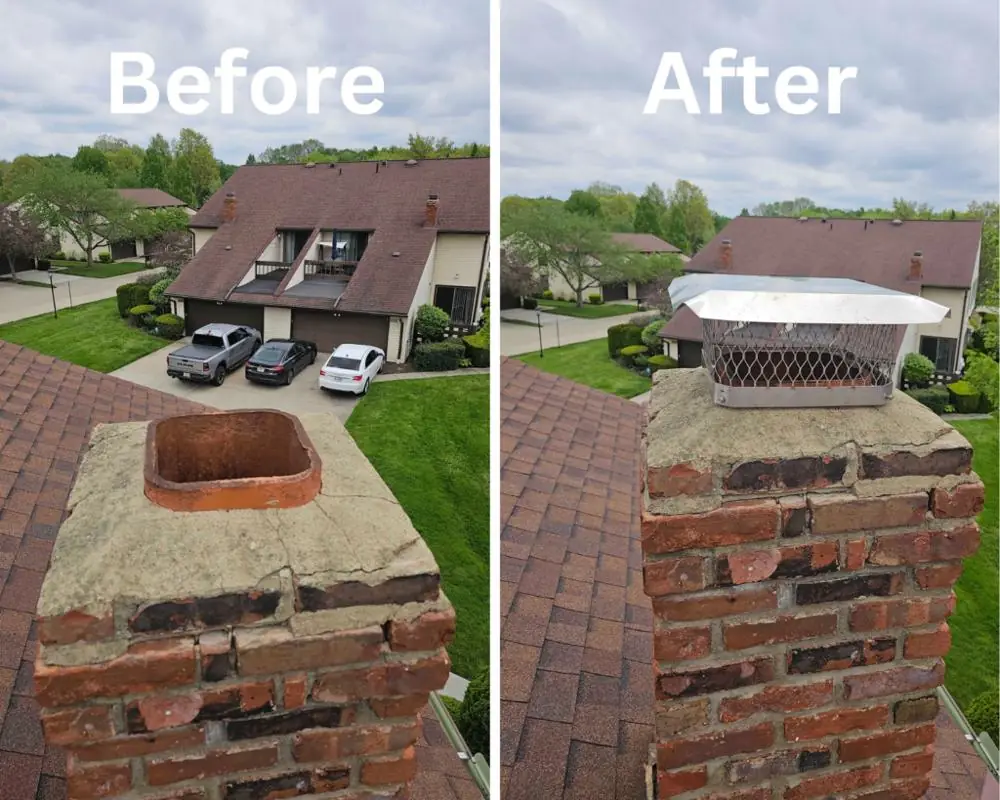
Many homeowners ask how often should you clean your chimney, especially before fireplace season begins. Most homeowners should schedule a professional chimney inspection once a year. Clean the chimney whenever creosote buildup reaches unsafe levels. Regular chimney cleaning removes soot, creosote, and debris that can increase the risk of chimney fires, reduce heating efficiency, and block harmful gases from venting properly. Understanding the right cleaning schedule helps protect your home while extending the life of your fireplace and chimney system.
The Importance of Chimney Maintenance
Chimney maintenance is not just about keeping your home looking neat and tidy; it’s about protecting your property, your loved ones, and your investment. Over time, as you use your fireplace or wood stove, soot and creosote build up in the chimney flue. Burning wood creates creosote, a highly flammable substance that collects inside the chimney. If you ignore this buildup, it can ignite and start a chimney fire that spreads to your home.
Regular chimney cleaning helps remove this hazardous buildup and ensures your chimney operates efficiently. It also prevents stale smoke odors from developing inside a neglected chimney. Regular inspections also uncover debris, cracks, and other damage before they create safety hazards.
Why Annual Chimney Inspections Matter
Even if your fireplace is used only occasionally, an annual chimney inspection remains important. Birds, squirrels, leaves, and debris often block the flue during the off season without homeowners noticing. Annual inspections help professionals find these problems before they lead to expensive repairs or serious safety risks.
How Often Should You Clean Your Chimney?
Your fireplace usage, fuel type, and chimney condition determine how often you should clean your chimney. Most experts recommend cleaning your chimney at least once each year. Some chimneys need annual cleaning, while heavy fireplace use may require service twice a year.
The National Fire Protection Association recommends annual chimney inspections, while cleaning should be performed whenever creosote accumulation reaches approximately one eighth of an inch. Some chimneys require yearly cleaning, while others may need service more often depending on fireplace use, fuel type, and burning habits.
Burning wet or unseasoned firewood also increases creosote production because excess moisture creates cooler fires and incomplete combustion. Using properly seasoned hardwood helps reduce deposits inside the flue and improves overall fireplace efficiency.
Frequency Based on Usage
Homes that rely on wood burning fireplaces throughout the heating season usually need chimney cleaning more often than homes with occasional fireplace use. Heavy use creates more soot and creosote, which increases the risk of chimney fires if left untreated. Many homeowners who burn wood daily schedule chimney service every six months. If you use your fireplace only a few times each year, an annual inspection still provides valuable protection by confirming that the chimney remains clean, structurally sound, and free of blockages.
Want a certified technician to look at yours? Estimates are free across Northeast Ohio. Request yours here or call (216) 446-2626.
The Type of Fuel You Burn
The fuel you burn has a direct impact on how quickly creosote forms inside the chimney. Seasoned hardwoods such as oak, maple, and hickory burn hotter and produce fewer deposits than softer woods like pine or fir. Wet or unseasoned firewood also creates more smoke and incomplete combustion, allowing creosote to accumulate faster. Coal and other solid fuels leave behind different types of residue that also require routine cleaning. Choosing dry, well seasoned firewood helps reduce buildup, improves fireplace efficiency, and lowers the frequency of chimney cleaning.
Signs That Your Chimney Needs Cleaning
Several warning signs indicate that your chimney needs attention before your next scheduled cleaning. Thick black creosote on the chimney walls, strong smoky odors, excessive soot around the fireplace, or smoke entering your home instead of flowing up the chimney all suggest restricted airflow. You may also notice difficulty starting fires or reduced fireplace performance. Animal nests, leaves, and other debris can create additional blockages. Addressing these problems quickly helps prevent chimney fires, improves ventilation, and keeps your fireplace operating safely.
The Dangers of Neglecting Chimney Cleaning
Failing to clean your chimney regularly can lead to several dangerous issues. The most significant risk is the possibility of a chimney fire. Creosote is highly flammable, and as it accumulates in the chimney, it can ignite, leading to a fire that can spread to the rest of your home. Chimney fires are often undetected until it’s too late, and they can cause extensive damage or even destruction.
Another danger is carbon monoxide poisoning. A blocked chimney can prevent the proper venting of toxic gases such as carbon monoxide. If this gas cannot escape the home, it can lead to carbon monoxide poisoning, which is often referred to as the “silent killer” because it is colorless, odorless, and tasteless.
Additionally, poor chimney maintenance can result in water damage. If your chimney is blocked or poorly maintained, rainwater or snow may seep into the structure, leading to rust and deterioration over time.
Hiring a Professional Chimney Sweep
While homeowners can perform some basic maintenance tasks, such as checking for blockages or inspecting the chimney’s exterior, professional chimney sweeps should handle the cleaning and more complex inspections. A licensed chimney sweep has the tools and knowledge to safely and effectively remove creosote, soot, and other debris from your chimney. They will also perform a thorough inspection to ensure that your chimney is free from cracks, blockages, or other issues that could pose a risk.
A professional chimney sweep will clean your chimney using specialized equipment, such as brushes, vacuums, and rods, to ensure that all creosote is removed from the walls of the flue. They can also identify any areas of concern that need attention and make recommendations for repairs or improvements.
Conclusion
Understanding how often should you clean your chimney helps you protect your home, improve fireplace performance, and reduce the risk of dangerous chimney fires. Most homeowners benefit from annual chimney inspections and regular cleaning whenever creosote reaches unsafe levels. The right maintenance schedule depends on how often you use your fireplace, the type of fuel you burn, and the overall condition of your chimney. If you want dependable chimney cleaning and inspections throughout Lake, Cuyahoga, Geauga, Summit, and Portage Counties, Green and Clean Home Services is ready to help keep your fireplace safe, efficient, and prepared for every heating season.