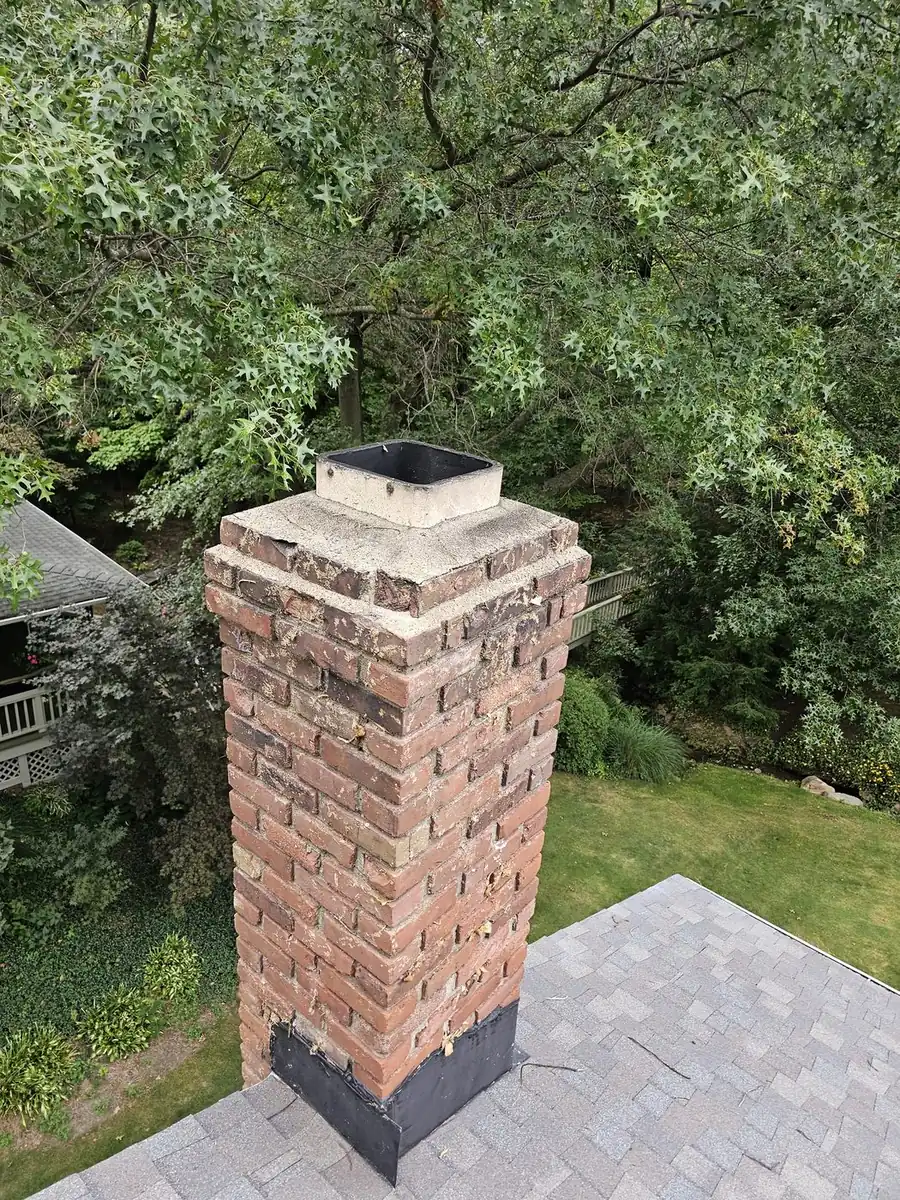
Knowing how often to sweep a chimney is essential for maintaining a safe, efficient, and reliable fireplace system. Many homeowners assume that chimney cleaning is only necessary when problems appear, but in reality, regular maintenance is what prevents those problems in the first place. Every time you use your fireplace, soot and creosote begin to build up inside the chimney. Over time, this buildup can create serious fire hazards, reduce airflow, and affect overall performance. Keeping your chimney clean on a consistent schedule ensures your home stays safe and your heating system works properly throughout the year.
How Often Should You Sweep a Chimney
Most professionals recommend sweeping your chimney at least once a year. This applies even if you use your fireplace only occasionally. Annual cleaning helps remove creosote buildup before it becomes dangerous. However, if your fireplace is used frequently, especially during colder months, your chimney may need to be swept more than once per year. The exact frequency depends on how often you burn fires, the type of fuel you use, and how efficiently your chimney system operates.
Why Regular Chimney Sweeping Is Important
Chimney sweeping plays a major role in preventing fire hazards. Creosote, a byproduct of burning wood, is highly flammable and one of the leading causes of chimney fires. Even a thin layer can ignite under the right conditions. According to the American Red Cross, proper maintenance of heating systems significantly reduces fire risks. A clean chimney also ensures smoke and harmful gases are safely vented outside, improving indoor air quality.
Understanding Creosote Buildup
Every fire you burn produces smoke, and that smoke carries small particles that stick to the chimney walls. As the smoke cools, these particles form creosote, which gradually builds up inside the flue. This buildup happens more quickly when wood burns inefficiently, especially if it is wet or unseasoned. Over time, the creosote layer thickens and becomes harder to remove. Without regular sweeping, this residue continues to accumulate and increases the risk of a chimney fire.
Factors That Affect How Often You Need Cleaning
Several factors influence how often you should sweep your chimney. The most important factor is how frequently you use your fireplace. Homes that rely heavily on fireplaces during winter will require more frequent cleaning. The type of wood you burn also matters. Seasoned hardwood produces less creosote compared to softwood or damp logs. Chimney design, airflow efficiency, and the age of your system can also impact how quickly buildup occurs. Understanding these factors helps you maintain a proper cleaning schedule.
Signs Your Chimney Needs Sweeping
There are several warning signs that indicate your chimney needs cleaning. A strong smoky smell coming from the fireplace is often the first sign of buildup. Difficulty starting or maintaining a fire can also point to airflow issues caused by residue inside the flue. You may notice black, shiny buildup on the walls or excessive soot around the fireplace opening. In some cases, debris or animal nests can block the chimney. Addressing these signs early helps prevent serious problems.
What Happens If You Don’t Sweep Your Chimney
Ignoring chimney maintenance can lead to dangerous consequences. Creosote buildup increases the risk of chimney fires, which can spread quickly and cause extensive damage. Poor airflow can cause smoke to enter your home instead of exiting through the chimney. Over time, buildup can also damage the chimney structure, leading to costly repairs. Regular sweeping prevents these issues and keeps your chimney functioning properly.
How Fireplace Usage Affects Cleaning Frequency
The more often you use your fireplace, the more frequently your chimney needs to be cleaned. Homes that use fireplaces daily during winter may need cleaning multiple times a year. Occasional use may still require annual cleaning because buildup occurs even with limited use. Tracking how often you use your fireplace helps determine the right maintenance schedule for your home.
Want a certified technician to look at yours? Estimates are free across Northeast Ohio. Request yours here or call (216) 446-2626.
Importance of Professional Chimney Sweeping
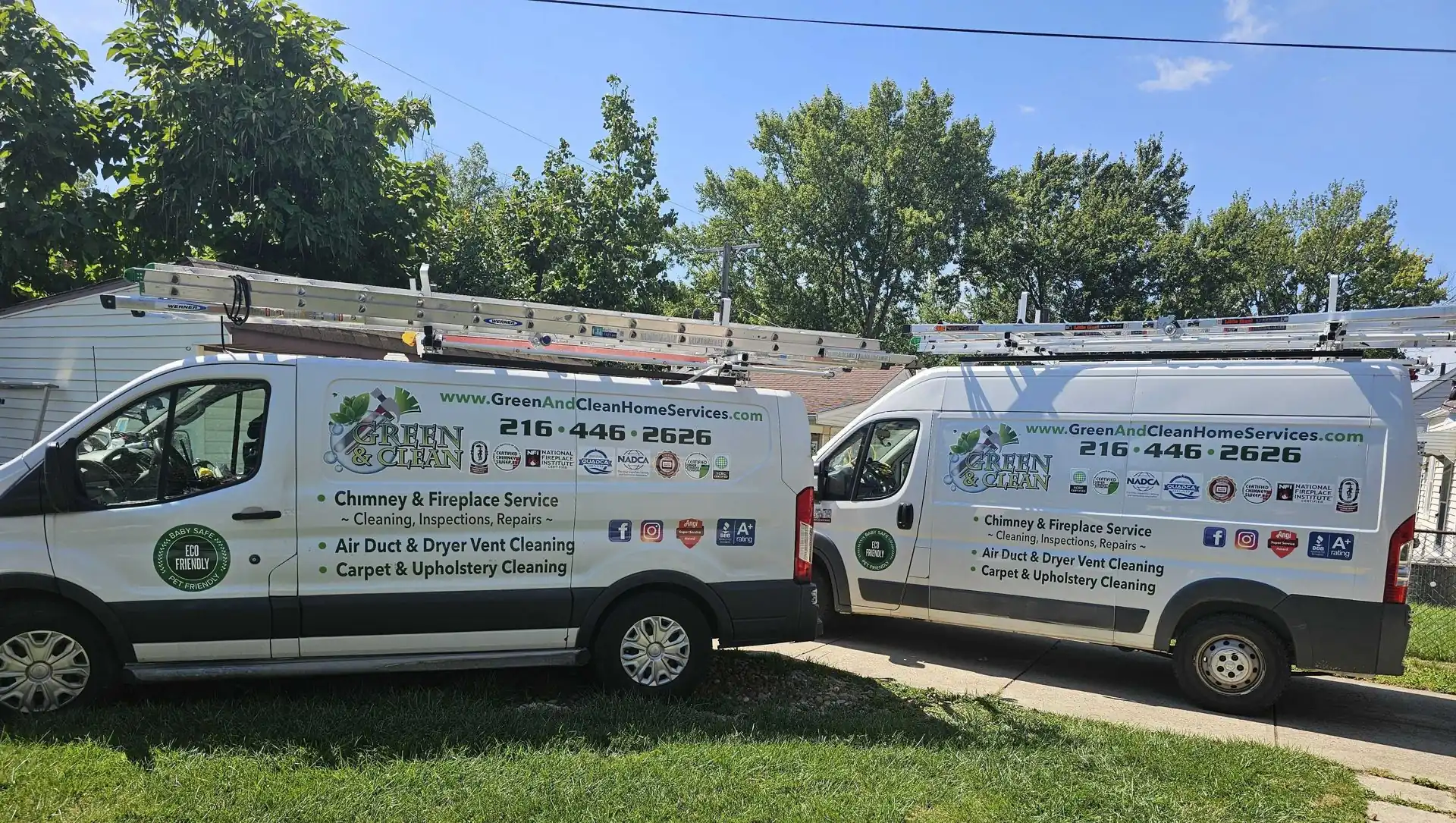
Professional chimney sweeping provides a level of thoroughness that is difficult to achieve with DIY methods. Certified technicians use specialized tools to remove buildup and inspect the chimney for hidden issues. They can identify cracks, blockages, or structural damage that may not be visible. Homeowners in Northeast Ohio can rely on Green and Clean Home Services for expert chimney cleaning and inspection services, ensuring their chimney remains safe and efficient.
Best Time to Schedule a Chimney Sweep
Many homeowners schedule chimney cleaning in the fall before the heating season begins. While this is a popular time, it is also when chimney service providers are busiest. Scheduling your chimney sweep in the spring or summer can help you avoid delays and ensure your system is ready before colder weather arrives. Planning ahead makes maintenance more convenient and stress free.
Benefits of Regular Chimney Maintenance
Keeping your chimney clean offers several long term benefits. It improves airflow, enhances heating efficiency, and reduces the risk of fire. A clean chimney also prevents smoke from entering your home and helps maintain better indoor air quality. Regular maintenance extends the lifespan of your chimney system and helps you avoid expensive repairs.
Common Mistakes Homeowners Make
Many homeowners make the mistake of waiting too long between chimney cleanings. Ignoring early warning signs allows creosote to build up to dangerous levels. Burning wet wood or improper materials also increases residue inside the chimney. Skipping professional inspections can lead to hidden issues going unnoticed. Avoiding these mistakes helps maintain a safe and efficient chimney system.
Why Consistency Matters
Consistency is key when it comes to chimney maintenance. Skipping even one year of cleaning can allow buildup to reach hazardous levels. Regular sweeping keeps creosote under control and reduces the risk of unexpected problems. Establishing a routine maintenance schedule ensures your chimney remains safe and efficient over time.
Long Term Safety and Performance
A well maintained chimney provides long term safety and reliable performance. Regular cleaning ensures proper ventilation, reduces fire risk, and improves efficiency. Maintaining your chimney also protects your home from structural damage caused by buildup and moisture. Investing in routine maintenance helps you avoid costly repairs and keeps your fireplace functioning properly for years.
Final Thoughts
Understanding how often to sweep a chimney is essential for maintaining a safe and efficient home. Annual cleaning is the minimum recommendation, but frequent use may require additional maintenance. Paying attention to warning signs and staying consistent with cleaning helps prevent serious issues. For professional chimney care and reliable service, contact Green and Clean Home Services and keep your chimney in top condition year round.