Can dryer vent through roof? Yes, it can, provided the system is designed, installed, and maintained correctly. While many homes vent dryers through an exterior wall, roof venting is sometimes the most practical option when no direct wall route is available. Understanding how roof venting works, the challenges it presents, and the maintenance it requires helps homeowners make safe and informed decisions.
How Dryer Venting Works
A dryer’s vent system is designed to move hot, humid air out of the appliance and direct it outdoors through a duct. The path must be short, straight, and smooth to allow air and lint to pass freely. When air encounters resistance in the duct, lint can accumulate, leading to longer drying times and higher energy costs. The U.S. Fire Administration reports thousands of home fires each year linked to dryer lint buildup. Whether your dryer vents through a wall or roof, the main goal remains the same: safe, efficient airflow from start to finish. Knowing the differences between venting methods helps answer the question can dryer vent through roof effectively and safely. Regular dryer vent cleaning helps maintain proper airflow and reduces the risk of lint related fire hazards, regardless of where the vent exits the home.
Roof Venting
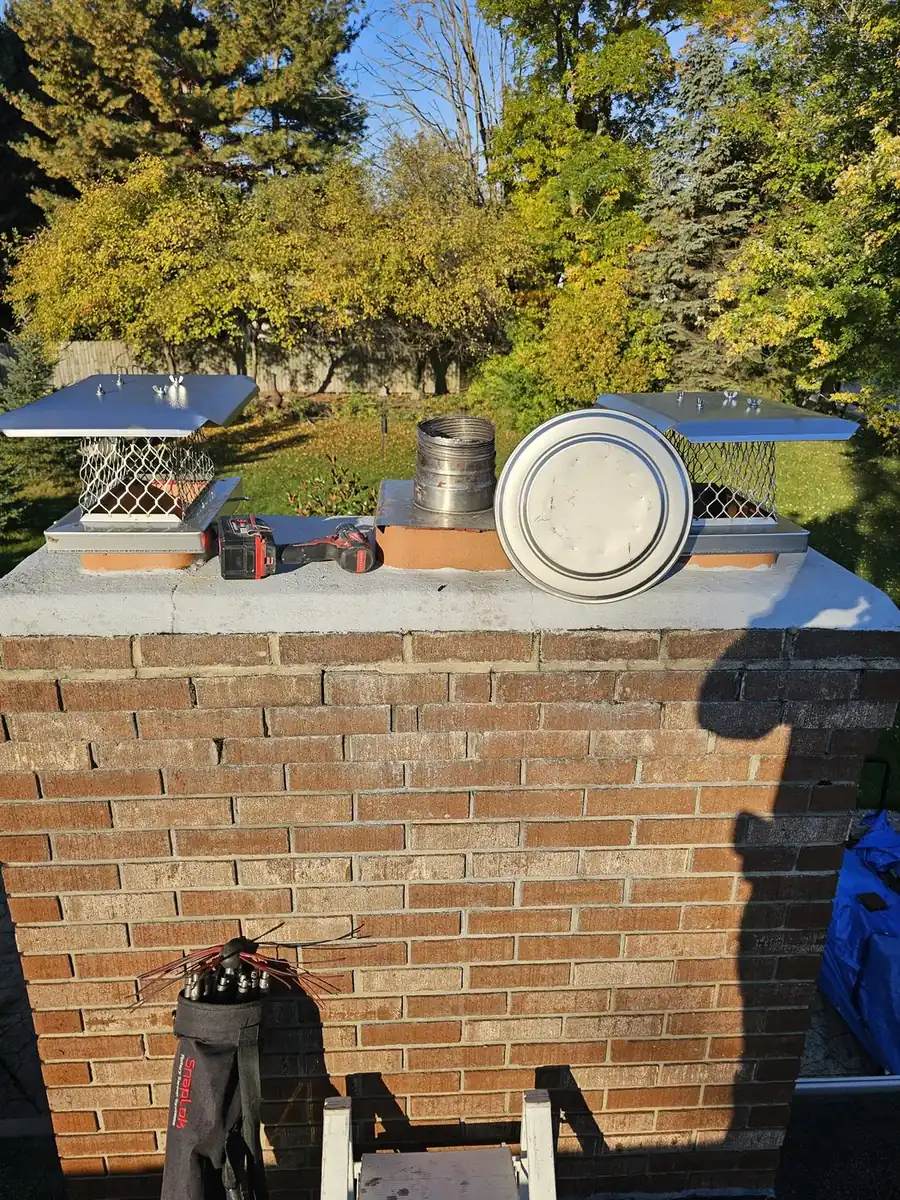
Roof venting routes the dryer duct upward through the attic and exits at the roofline with a specialized cap. This design is often used when a laundry room is located far from exterior walls or in homes where basements and crawl spaces are not accessible. The cap on top prevents rain, snow, and pests from entering while allowing hot air and lint to exit freely.
However, the vertical rise makes roof venting more complex than wall venting because warm, moist air cools as it travels upward, increasing the risk of condensation inside the duct. If not installed properly, moisture can collect and create blockages that lead to reduced airflow and even structural damage.
Professional installers use rigid metal ducting and smooth interior walls to minimize resistance and condensation. Flexible foil ducts are never recommended for roof venting because they can collapse or trap lint easily. Proper insulation along attic sections also prevents temperature differences from creating condensation. When homeowners ask can dryer vent through roof, professionals explain that it is safe only when the path is short, the ducting is smooth, and the vent cap is designed specifically for dryers rather than standard roof vents.
Roof Venting Versus Wall Venting
While roof venting is sometimes necessary, wall venting is typically preferred for its simplicity and performance. A horizontal vent through an exterior wall allows warm air to exit directly, reducing duct length and potential blockages. Roof venting, on the other hand, adds distance, bends, and vertical rise, all of which slow airflow. That means more lint can collect inside the duct, requiring frequent maintenance. The Energy.gov website highlights that shorter duct runs improve efficiency and reduce drying time. In other words, the less distance the air travels, the better your dryer performs.
That said, some homes have no choice but to vent through the roof. When installed correctly, with proper materials and a dedicated dryer vent cap, roof venting works effectively and safely. Problems occur when general purpose roof caps or attic vents are used instead of ones designed for dryers. These vents often have fine screens that trap lint quickly, creating dangerous blockages. Licensed professionals ensure that the vent cap’s design allows unrestricted airflow while preventing backdrafts, rain, and pests from entering.
Manufacturer installation instructions should always be followed when choosing a roof vent configuration. Most dryer manufacturers specify the maximum allowable duct length, along with reductions for every bend in the system. Exceeding these limits can restrict airflow and reduce drying performance. Professional installers calculate the total effective duct length before installation to ensure the vent system operates within the manufacturer’s recommendations. Following these guidelines helps reduce lint buildup, lowers energy consumption, and extends the life of the dryer.
Potential Risks of Roof Venting
The main risks of venting a dryer through the roof include condensation, lint buildup, and difficult access for cleaning. As moist air travels upward, it cools rapidly, allowing water vapor to condense on the duct walls. This moisture can cause lint to stick and form heavy blockages over time. If left unchecked, these clogs increase drying time, raise utility costs, and pose a serious fire hazard. Roof vents are also harder to reach for regular cleaning, meaning many homeowners overlook maintenance until performance declines. When airflow becomes restricted, the dryer’s heating element works harder, shortening its lifespan and creating potential safety concerns.
Another concern involves weather protection. Standard roof vents for bathroom fans or attic exhaust are not suitable for dryers. They often contain small screens that restrict airflow and collect lint quickly. Professional dryer vent caps are designed differently, with backdraft dampers and no mesh that can trap lint. This small detail makes a big difference in long term safety and performance. When homeowners ask can dryer vent through roof, the answer is yes, but only with the correct components and professional installation.
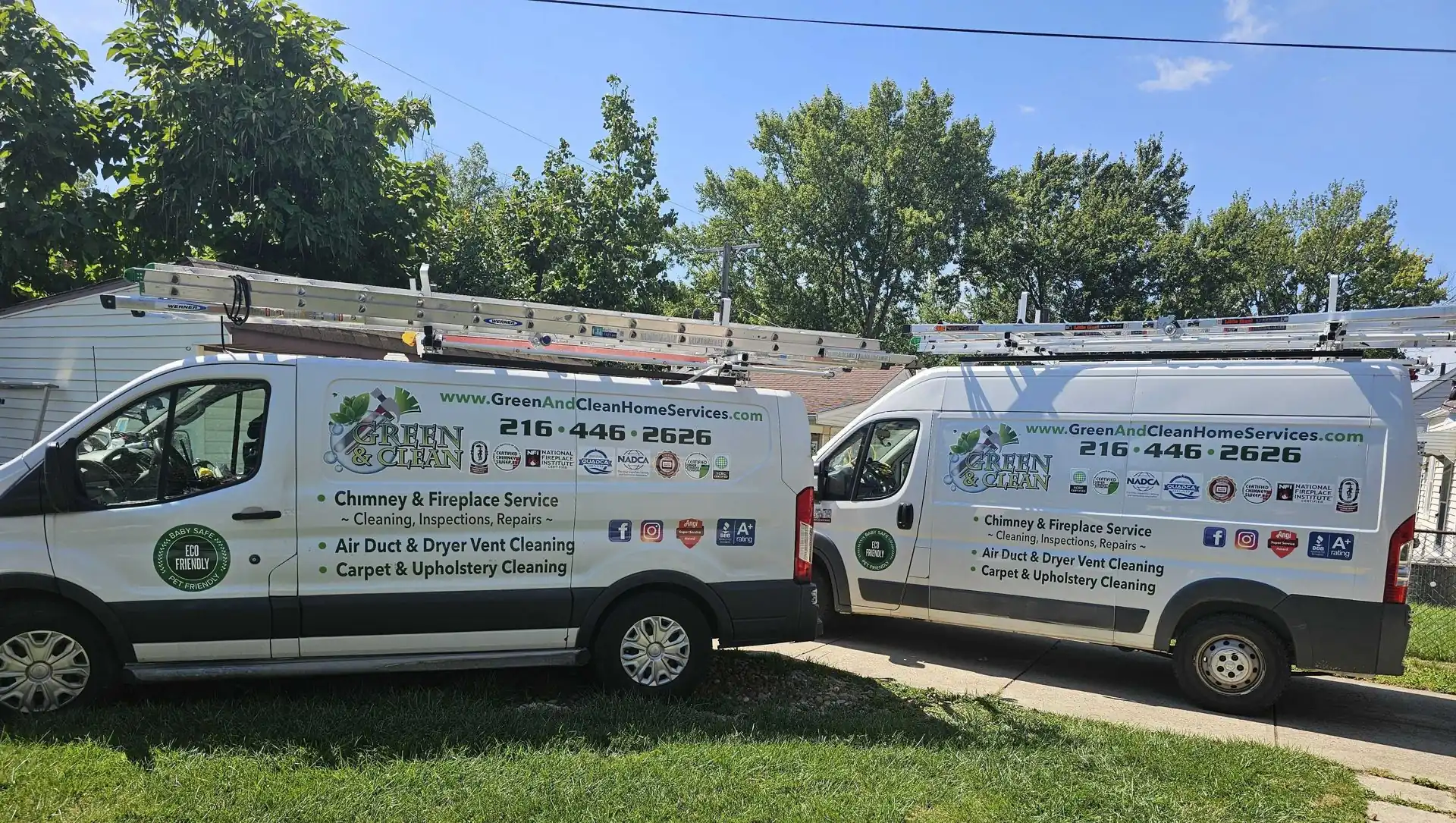
Want a certified technician to look at yours? Estimates are free across Northeast Ohio. Request yours here or call (216) 446-2626.
How Professional Installers Ensure Safe Roof Venting
Professional installers understand the importance of code compliance and airflow design. They inspect the home’s layout to find the shortest possible route from the dryer to the roof exit, avoiding unnecessary turns that trap lint. Rigid metal ducting with sealed joints ensures smooth airflow and prevents leaks. Each section is connected securely to prevent disconnection during vibration. In the attic, ducts are supported and insulated to reduce heat loss and condensation. The roof termination cap is mounted with a weatherproof flashing that prevents water intrusion while maintaining airflow.
At Green & Clean Home Services, our technicians follow both national safety guidelines and Ohio building codes when inspecting and installing dryer vents. We also verify that the vent path meets manufacturer length limits and that airflow pressure stays within safe levels. These steps prevent performance issues and ensure full compliance with safety standards.
Homeowners benefit from consistent drying performance, reduced fire risk, and longer appliance lifespan. During inspections, we often find roof vent systems with excessive bends, crushed duct sections, or incorrect vent caps that restrict airflow. Correcting these issues improves dryer performance and reduces long term safety risks.
Why Regular Cleaning Is Even More Important for Roof Vents
Dryer vents require cleaning at least once per year, but roof vents may need attention more frequently because lint naturally rises and settles along the top of vertical ducts. Each cycle pushes hot air and fine fibers upward, where they can stick to cooler metal surfaces. Over time, even a small layer of lint reduces airflow dramatically.
The U.S. Fire Administration notes that lint accumulation is the leading cause of dryer fires nationwide. Regular cleaning removes these blockages before they pose a risk. Professional service includes both interior duct cleaning and visual inspection of the roof vent to confirm that it remains clear and sealed properly against moisture.
Because of the height and exposure of roof vents, most homeowners should never attempt cleaning them without proper safety equipment. Certified professionals use specialized tools and inspection cameras to confirm that the entire duct run is clean and safe. This level of care ensures your system continues to meet code and operate efficiently all year long.
Alternative Solutions for Complex Homes
In some cases, rerouting the vent through an exterior wall or soffit may be a better solution than venting through the roof. Modern homes sometimes include long or complex duct runs that make roof venting inefficient. A professional can evaluate the structure to determine whether rerouting is possible or if booster fans or upgrades are needed to maintain proper airflow. The goal is always safety first, followed closely by energy efficiency and appliance longevity. No matter where the vent exits, ensuring smooth airflow and easy access for cleaning should guide every installation decision.
At Green & Clean Home Services, we inspect, clean, and repair dryer vents throughout Lake, Cuyahoga, Geauga, Summit, and Portage Counties. Our process includes testing airflow, identifying restrictions, and confirming that your vent path complies with all safety and building codes. We make recommendations based on the unique layout of your home to achieve the best performance and peace of mind. Homeowners throughout Lake, Cuyahoga, Geauga, Summit, and Portage Counties often schedule dryer vent inspections after moving into an older home or when drying cycles begin taking longer than usual. Early maintenance helps prevent costly repairs and improves household safety.
Conclusion
Can dryer vent through roof? Yes, as long as the vent system is properly designed, installed, and maintained. Throughout this guide, we’ve explained how roof venting works, the risks of poor installation, the importance of regular cleaning, and why professional inspections help keep the system operating safely and efficiently. If your dryer vents through the roof or you have concerns about airflow, Green & Clean Home Services is ready to help. Visit our Dryer Vent Cleaning page or contact us to schedule a professional inspection anywhere in Northeast Ohio.