Chimneys are essential components of many homes, particularly those with wood burning fireplaces, stoves, or gas heating systems. While their primary function is to safely vent smoke and gases from the interior of a home, chimneys must also withstand exposure to the elements. One common concern among homeowners is moisture intrusion. So, how do chimneys keep rain out? The answer lies in a combination of smart design, specific components, and routine maintenance practices.
The Vulnerability of Chimneys to Water
Despite being constructed from sturdy materials like brick, stone, or concrete, chimneys are surprisingly vulnerable to water damage. Rain, snow, and ice can seep into cracks, joints, or openings, leading to a variety of issues, including structural deterioration, staining, mold growth, and reduced efficiency. Over time, moisture intrusion can compromise the flue liner, corrode metal components, and weaken the mortar that holds masonry together.
Given that a chimney projects vertically from the roof and remains exposed to all types of weather, preventing rainwater from entering is a priority. Several features work together to achieve this goal.
The Chimney Cap: First Line of Defense
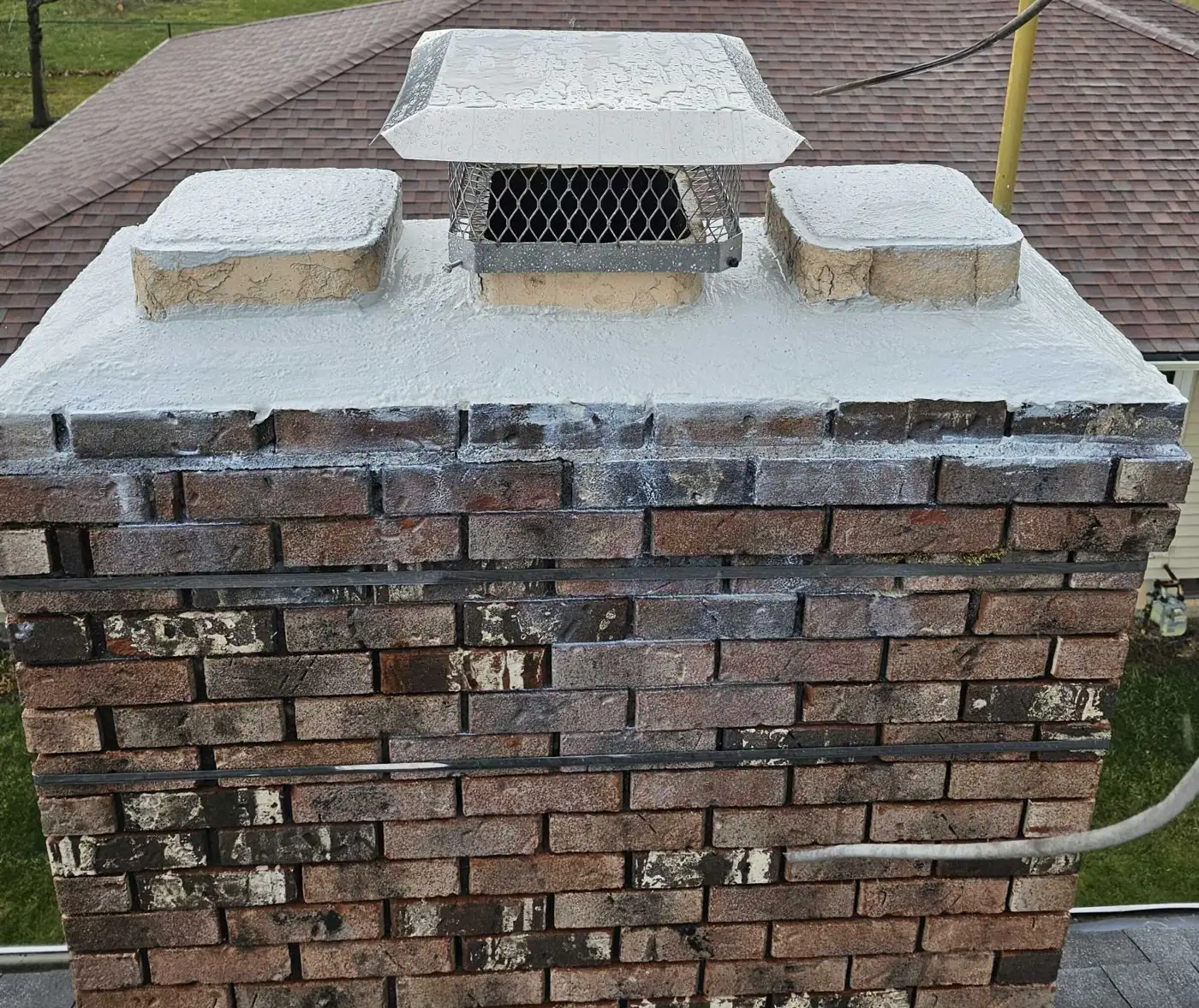
At the top of the chimney, the chimney cap is the most critical component for keeping rain out. This metal covering, typically made of stainless steel or copper, sits above the chimney flue like a roof. It prevents direct rainfall from entering the flue, keeps out animals and debris, and reduces downdrafts from wind. Many chimney caps include mesh screens that allow smoke and gases to vent while stopping water and pests. Without a cap, rain can fall directly into the flue, leading to interior moisture damage.
The Chimney Crown: Directing Water Away
Beneath the cap lies the chimney crown, a concrete or mortar slab that covers the top of the chimney structure. Its function is to shed rainwater away from the flue opening and masonry surfaces. A properly constructed crown is slightly sloped and extends beyond the chimney’s edges, helping to divert water away from mortar joints. When the crown cracks or deteriorates, it can allow water to seep into the system, especially in regions like Northeast Ohio where freeze thaw cycles are common.
Flue Liner and Waterproofing
The flue liner also plays a role in managing moisture. While it isn’t a waterproof barrier on its own, a well maintained liner resists internal damage caused by moisture that may enter. Some chimneys are treated with breathable waterproofing sealants, which prevent rain from soaking into brick or stone while still allowing internal moisture to escape. These treatments enhance the longevity and durability of the structure.
Flashing: Sealing the Roof Chimney Connection
Flashing is another vital line of defense against water. This waterproof metal barrier is installed where the chimney meets the roof, sealing a vulnerable seam. When installed properly, flashing systems, typically involving step flashing and counter flashing, guide water away from the roofline. If flashing becomes damaged or loose, leaks can develop in the attic and ceiling areas near the chimney.
Preventative Maintenance and Annual Inspections
Even well constructed chimneys require regular maintenance to remain effective. Over time, caps can come loose, crowns can crack, and flashing can corrode. Professional chimney inspections help identify and address these problems early, avoiding larger structural or interior damage. In regions with frequent weather changes, annual inspections are especially important.
Professional evaluations include checking the condition and attachment of the cap, inspecting the crown for cracks, verifying flashing integrity, and ensuring the flue liner remains free of moisture damage. They also help detect any signs of interior water intrusion before major repairs are needed.
Chimney Design Enhancements for Rain Protection
Some modern chimneys incorporate features like drip edges on crowns or extended flue tile to enhance moisture protection. Custom chimney caps may be used for irregular or multi flue chimneys, further improving rain resistance and safety.
These enhancements add another layer of protection and are especially useful in areas with heavy rainfall or freeze thaw weather patterns. Well designed chimneys resist damage longer and perform more efficiently, particularly when supported by consistent maintenance.
Consequences of Rain Intrusion
A chimney that doesn’t keep out rain can lead to serious consequences. Moisture may cause mortar joints to deteriorate or bricks to crack and flake. Rust can develop on interior components such as the damper or fireplace doors. Homeowners may also notice unpleasant odors, musty smells, or visible water stains. Mold and mildew can form, compromising indoor air quality. Even heating efficiency can be affected when damp conditions interfere with flue performance.
Addressing moisture entry quickly can prevent the need for expensive repairs. Preventative steps are always more affordable and less invasive than structural fixes.
Local Chimney Experts Make a Difference
In Northeast Ohio, Green & Clean Home Services provides expert chimney services that include installing caps, repairing crowns, waterproofing masonry, and inspecting flashing systems. Their experienced team ensures each component of your chimney is functioning correctly and efficiently throughout the year.
They also provide thorough cleaning and diagnostic services that identify water issues early and help preserve your chimney’s performance for the long term.
Conclusion
So, how do chimneys keep rain out? They rely on an integrated system of components including chimney caps, crowns, flashing, and liners. Each part plays a specific role in shielding the chimney from moisture intrusion. Together, these features protect the home from water damage and keep the chimney operating safely and efficiently.
Annual inspections and timely maintenance from a trusted local provider like Green & Clean Home Services ensure your chimney remains dry and dependable through every season.