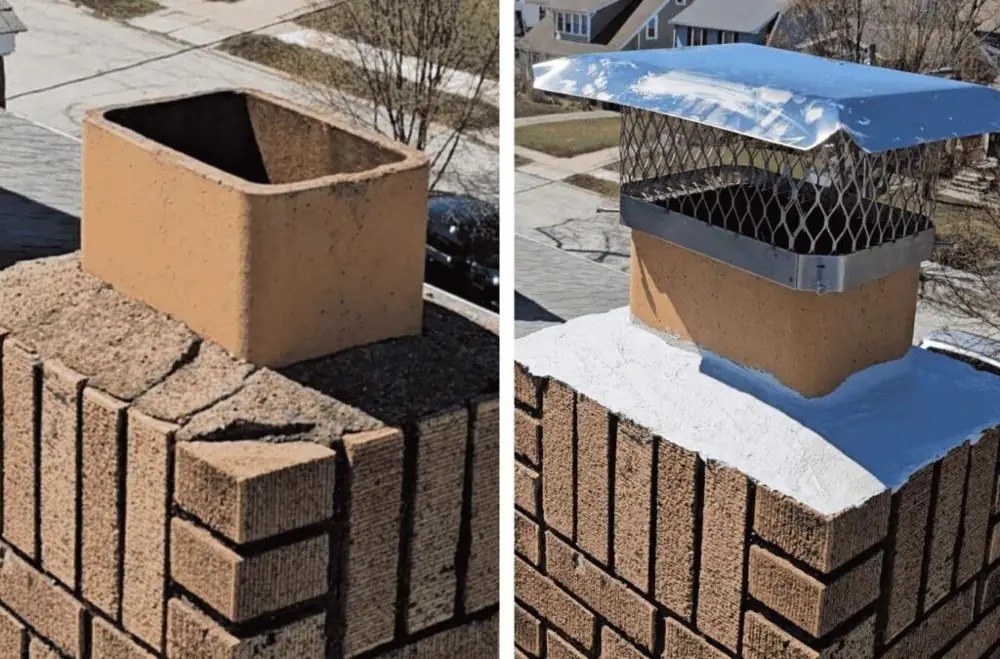
How often to clean chimney depends on how frequently you use your fireplace, the type of fuel you burn, and the condition of your chimney. Most homeowners should schedule a professional chimney inspection every year and clean the chimney whenever creosote buildup or other hazards are present. Understanding what affects cleaning frequency helps you keep your fireplace operating safely and efficiently throughout the heating season.
Why Chimney Cleaning Matters
A well maintained chimney safely vents smoke, gases, and other combustion byproducts from your home. Allowing soot and creosote to accumulate increases the risk of chimney fires. Blockages or heavy buildup can also push dangerous gases like carbon monoxide into your living space. Learning how often to clean chimney systems is not just about efficiency, it’s also a matter of safety for your home and family.
Factors That Affect Cleaning Frequency
Fireplace usage has the greatest impact on cleaning frequency. Homes that burn wood regularly during winter usually require annual cleaning. Homes with occasional fireplace use may need cleaning less often, but yearly inspections are still recommended. The type of fuel also matters. Properly seasoned hardwood creates less creosote than softwood or unseasoned firewood. Gas fireplaces produce much less residue, although they still require regular inspection and vent maintenance.
Recommended Cleaning Schedule
Wood burning fireplaces that are used regularly should generally be cleaned once each year before the heating season begins. Fireplaces used only occasionally still benefit from annual inspections, with cleaning performed whenever creosote reaches approximately one eighth of an inch. Gas fireplaces also require yearly inspections, although professional cleaning is usually needed less frequently because they produce much less residue.
Signs Your Chimney Needs Cleaning
Several warning signs indicate that chimney cleaning should not be delayed. Persistent smoky odors, visible creosote deposits, poor draft, smoke entering the room, or debris such as bird nests inside the flue all suggest that professional service is needed as soon as possible.
Professional vs. DIY Cleaning
Some homeowners try DIY chimney cleaning with store bought kits, but professionals deliver better results and greater safety. Trained technicians use specialized tools to remove buildup without harming the flue lining. They also spot hidden damage that could affect performance. Working with a certified sweep who follows NFPA standards ensures the job gets done right.
Homeowners in Northeast Ohio can turn to Green and Clean Home Services for expert inspections and cleanings that meet both industry standards and local safety requirements. Our Chimney Inspection service helps identify creosote buildup, damaged liners, and other problems before they become serious safety concerns. During professional inspections, we frequently find hidden creosote deposits and minor chimney damage that homeowners cannot easily see from the fireplace opening. Early detection helps prevent more expensive repairs later.
Want a certified technician to look at yours? Estimates are free across Northeast Ohio. Request yours here or call (216) 446-2626.
How Creosote Buildup Happens
Creosote forms when unburned wood particles, water vapor, and gases condense on the cooler surfaces of the flue. It may appear flaky like soot, sticky like tar, or hard and glossy. Fires that smolder for long periods, especially with green or resin rich wood, speed up this process. Because creosote is highly flammable, once it ignites, chimney fires can exceed 2,000°F, damaging masonry and potentially spreading to the rest of the house. Many homeowners do not realize that burning habits have a direct impact on how quickly creosote forms inside the chimney. Fires that burn at low temperatures for long periods produce more smoke and unburned particles, which settle on the flue walls.
Closing the damper too early or restricting airflow to make a fire last longer can also increase creosote accumulation. By comparison, burning properly seasoned hardwood with adequate airflow helps create a hotter, cleaner fire that leaves fewer deposits behind. While these practices can slow buildup, they cannot eliminate it. Regular inspections remain the most reliable way to determine whether professional chimney cleaning is needed.
Seasonal Considerations for Ohio Homeowners
Ohio’s long, cold winters lead to heavy fireplace use, which increases the need for routine chimney care. Scheduling your cleaning in late summer or early fall prepares the system before the first cold snap. This timing also gives you room to complete repairs before the busy heating season begins. Preparing your chimney before winter also helps prevent unexpected interruptions during the heating season. Scheduling an inspection before temperatures drop gives technicians enough time to identify damaged chimney caps, cracked flue liners, loose masonry, or other issues that could affect performance.
Waiting until winter often means longer appointment times because chimney companies experience higher demand during colder months. Early maintenance allows homeowners to begin the season with confidence, knowing their fireplace is ready for regular use. It also reduces the chance of emergency repairs when the fireplace becomes an important source of warmth during freezing weather.
Health and Indoor Air Quality
Regular chimney maintenance also supports better indoor air quality. Creosote and soot release fine particles that can irritate the lungs and worsen asthma or allergies. Blockages may cause carbon monoxide, which is a colorless, odorless gas, to enter your home. Scheduling timely inspections and cleanings helps keep your home’s air safe. For broader air concerns, air duct cleaning can work alongside chimney service to maintain a healthy environment.
Chimney Cleaning and Home Value
Although chimney cleaning is primarily a safety measure, it also protects your investment. A neglected chimney may concern potential buyers. Documented maintenance records show that you’ve cared for the system, which can make your property more appealing.
Preventing Excessive Buildup Between Cleanings
To slow creosote formation, burn only dry, seasoned hardwood. Keep fires hot instead of letting them smolder. Always open the damper fully during use for proper airflow. Avoid burning trash, paper, or other non firewood materials. These steps help extend the time between professional visits, though they never replace the need for them. Many homeowners throughout Lake, Cuyahoga, Geauga, Summit, and Portage Counties schedule chimney inspections before the heating season begins. This allows enough time to complete any needed cleaning or repairs before fireplaces are used regularly.
Conclusion
How often to clean chimney depends on fireplace use, fuel type, and the overall condition of the chimney. Annual inspections remain the safest approach, while professional cleaning should be completed whenever creosote buildup or other hazards are present. Throughout this guide, we’ve explained the factors that affect cleaning frequency, the warning signs to watch for, and the importance of regular maintenance.
If your chimney is due for an inspection or cleaning, Green & Clean Home Services is here to help. We proudly serve homeowners throughout Northeast Ohio with professional chimney care that keeps fireplaces operating safely and efficiently. Visit our Chimney Cleaning page or contact us to schedule your service.