Many homeowners ask, what is a fireplace hearth, especially when repairing, remodeling, or installing a fireplace. A fireplace hearth is the non combustible surface located directly in front of or beneath the fireplace opening. Its primary purpose is to protect nearby flooring from heat, sparks, and burning embers while providing a stable base for safe fireplace operation. Beyond safety, a well designed hearth also enhances the appearance of a fireplace and often becomes a central feature of the living room. Understanding how a hearth functions helps homeowners make better decisions about fireplace maintenance, renovations, and long term safety.
Defining the Fireplace Hearth
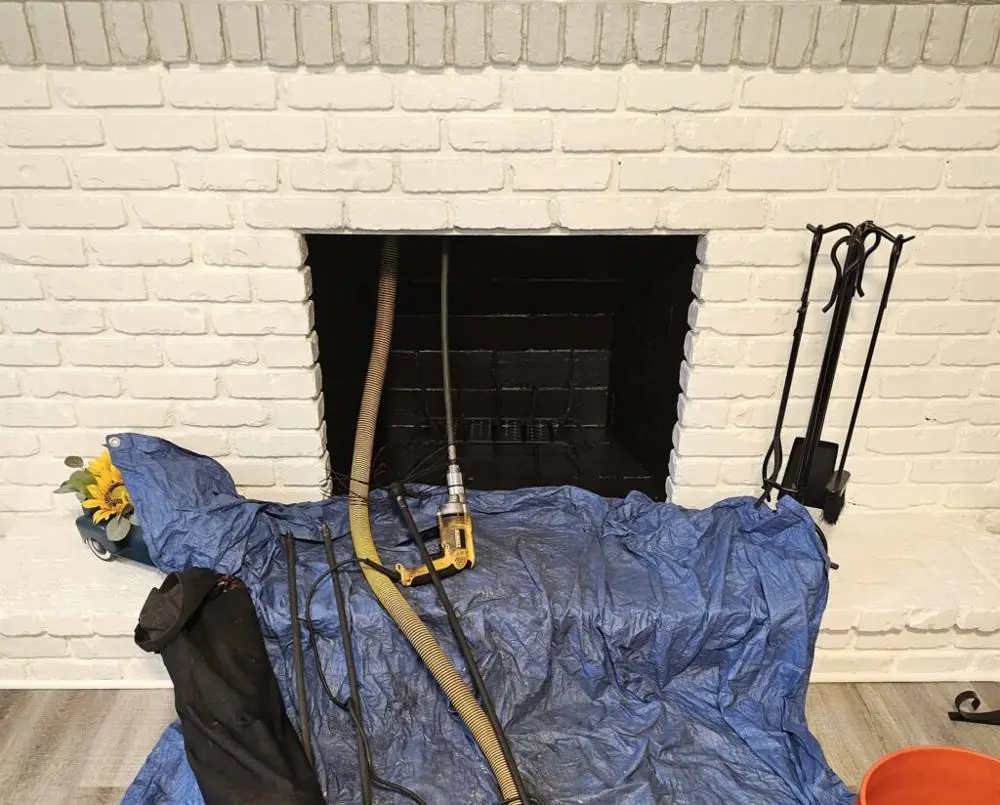
The fireplace hearth is the horizontal, non combustible surface that extends out from the fireplace opening into the room. Its primary function is to protect the floor from sparks, embers, and heat that could potentially cause a fire. Constructed from durable materials like stone, brick, or concrete, hearths serve both functional and decorative purposes.
The National Fire Protection Association outlines in their building codes that the hearth must extend at least 16 inches out from the fireplace opening for standard fireplaces, and even further for larger units. This measurement ensures that flammable items such as carpeting, rugs, and furniture remain a safe distance from the heat source.
Many people confuse the hearth with the fireplace itself, but they serve different purposes. The fireplace is where the fire burns, while the hearth creates a protective barrier between the fire and the surrounding room. Every wood burning fireplace requires a properly constructed hearth, and many gas fireplaces also include one for safety and appearance. Understanding this distinction helps homeowners communicate more effectively during repairs or remodeling projects.
Types of Fireplace Hearths
There are three main types of hearths: flush hearths, raised hearths, and hearth extensions. Flush hearths sit level with the floor, offering a modern, minimalist look. Raised hearths, often found in homes throughout Geauga and Portage Counties, provide extra seating or a visual platform for fireplace tools and decorative items. Hearth extensions may be used in combination with either type to increase the protective surface area.
These design variations are not purely stylistic. In high traffic homes or homes with children and pets, a raised hearth can add an element of safety by acting as a physical barrier. Flush hearths, on the other hand, are easier to clean and accommodate a seamless interior design.
Choosing the right hearth depends on both safety requirements and personal preference. Raised hearths often create additional seating and help define the fireplace as a focal point, while flush hearths provide a cleaner appearance that blends naturally with modern flooring. Hearth extensions are especially important for larger fireplaces because they provide additional protection from rolling embers and falling ash.
Historical and Cultural Significance
The concept of a hearth dates back to ancient times. In early human dwellings, the hearth was the heart of the home, used for cooking, heating, and social gatherings. Its central location and importance in daily life led to the term “hearth and home,” which remains a powerful idiom today.
In colonial American homes, hearths were large and multifunctional. Modern versions retain this symbolism, often becoming the focal point in a living room or family room. During the pandemic, fireplaces saw a resurgence in popularity, as discussed in this CNN report, highlighting their value in modern home design.
Does Every Fireplace Need a Hearth?
Most fireplaces require a hearth to comply with building codes and fire safety standards. Wood burning fireplaces always need a properly sized non combustible hearth to protect nearby flooring from sparks and radiant heat. Gas fireplaces may also require one depending on the appliance design and local building regulations. Even when not legally required, many homeowners choose to install a hearth because it improves both safety and the overall appearance of the fireplace.
Want a certified technician to look at yours? Estimates are free across Northeast Ohio. Request yours here or call (216) 446-2626.
Materials Used in Hearth Construction
Safety and durability are paramount when selecting materials for a hearth. Natural stone such as granite, marble, and slate are popular in high end installations. Brick and tile offer a more traditional or rustic appearance and are commonly found in Summit County homes.
In areas like Medina County, where craftsmanship and traditional home building remain prevalent, concrete is a versatile option. It can be stained, stamped, or polished for a wide variety of effects. Regardless of the material, all hearths must comply with local building codes and safety regulations.
Maintenance and Upkeep
A hearth’s longevity and safety depend heavily on proper maintenance. Regular sweeping and vacuuming prevent the accumulation of soot and ash. Periodic checks for cracks or loose tiles are necessary, as damaged materials can compromise the heat resistance of the hearth.
For those in Northeast Ohio where winters can be harsh, it’s especially important to inspect the hearth for signs of moisture damage or thermal stress. Green and Clean Home Services recommends annual fireplace and chimney inspections to identify potential problems before they escalate.
Fireplace Hearths and Interior Design
A well designed hearth can significantly enhance the aesthetic value of a room. It acts as a visual anchor and can be dressed up with decorative elements like vases, candle holders, or seasonal decorations. In minimalist homes, the hearth may be a sleek concrete slab that complements a modern wood stove.
In more traditional homes around Portage and Lake Counties, the hearth might feature brickwork and a wooden mantel adorned with family photos. These design choices reflect not only personal style but also regional preferences and architectural trends.
Regulatory Considerations and Safety Standards
Building codes vary by location, but most municipalities in Northeast Ohio follow the standards set by the International Residential Code and NFPA. These include specifications on hearth depth, height, and materials. A professional chimney and fireplace inspection is often required when installing a new hearth, especially if you’re upgrading from an older, potentially unsafe structure.
The U.S. Fire Administration offers additional safety tips for maintaining fireplaces and hearths. This includes keeping flammable materials at a safe distance and ensuring proper ventilation to prevent carbon monoxide buildup.
Conclusion
Understanding what is a fireplace hearth helps homeowners appreciate one of the most important safety features of any fireplace. A properly built hearth protects your home from heat and sparks while adding beauty and value to your living space. Whether you are restoring an older fireplace or planning a new installation, keeping the hearth in excellent condition is essential. Green and Clean Home Services provides professional fireplace and chimney services throughout Lake, Cuyahoga, Geauga, Summit, and Portage Counties to help homeowners enjoy safe, efficient, and attractive fireplaces for years to come.